Dear Emmie: If “to err is human”, as the adage goes, to hide those errors is even more human. Museums are made up of people, and people don’t like making mistakes, let alone talking about them. Making mistakes is painful, and it’s not a surprise that people want to hush them up, sweep them under the rug and never look at them again. But that stomach-on-a-rollercoaster feeling you get when you forget to book a room/miss an important deadline/mistake the director for a visitor is probably the most useful prompt for not repeating that same mistake. So how can museums equip their staff to own their mistakes and talk about them?
Best wishes, Katherine
Dear Katherine: A lot of this boils down to leadership and creating a culture in which people feel comfortable to share their mistakes, so that everyone can learn from them and avoid them in the future. As Einstein said: “Insanity is doing the same thing over and over again, and expecting different results.” If the people working in museums don’t feel able to share their mistakes, then no one can learn from them. We need leaders who can foster an open and inclusive working environment, using tools such as Agile, to help people build in a constant cycle of learning, action and reflection.
Best wishes, Emmie
Dear Emmie: I’ve never used Agile, and can imagine some resistance from already overworked museum professionals groaning at the introduction of another toolkit. However, creating a “healthy failure culture” is – somewhat counterintuitively – probably the best way to help avoid failure in future or, at the very least, to equip staff to fail more quickly and fail better next time. Leadership is obviously crucial to creating this culture, but it is important to remember that everyone can be a leader, wherever they sit in an organisation’s hierarchy. This means that you can help create this culture, one person at a time. Be brave enough to share your mistakes when you think they can help colleagues, and be supportive to those colleagues brave enough to share their mistakes with you.
Best wishes, Katherine
Dear Katherine: For that to happen, museums need to focus on getting communication right, providing lots of opportunities for teams and individuals to join up. They need to support individual professional development, but also organisational development, ensuring that people can reflect together on what went well and what didn’t. I asked the team at Cornwall Museums Partnership what makes the difference – they said it’s about focusing on success, so there is a positive momentum, meaning it’s easier to talk about the occasions when things don’t work. Where things do go wrong, the organisation, not the individual, owns the failure.
Best wishes, Emmie
Dear Emmie: Focusing on success is obviously important, but focusing only on success can be damaging. I set up Museum Oops after experiencing what I’ve coined “best practice fatigue” at conferences. All these accounts of everything going right seemed so unrealistic. But Museum Oops is not about focusing on failure; it’s about finding a safe way for allowing people to share their mistakes, in a way that allows us to laugh about them (hopefully).
Best wishes, Katherine
Dear Katherine: I like the way Ed Catmull (co-founder of Pixar) talks about mistakes in his book Creativity Inc. There is a great chapter on fear and failure. He says: “Rather than trying to prevent all errors, we should assume, as is almost always the case, that our people’s intentions are good and that they want to solve problems. Give them responsibility, let the mistakes happen, and let people fix them ... management’s job is not to prevent risk, but to build the ability to recover.”
Best wishes, Emmie
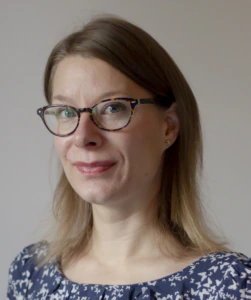
Katherine McAlpine is the public programmes producer at the National Maritime Museum, Greenwich
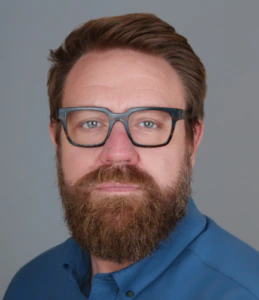
Emmie Kell is the chief executive of the Cornwall Museums Partnership
Best wishes, Katherine
Dear Katherine: A lot of this boils down to leadership and creating a culture in which people feel comfortable to share their mistakes, so that everyone can learn from them and avoid them in the future. As Einstein said: “Insanity is doing the same thing over and over again, and expecting different results.” If the people working in museums don’t feel able to share their mistakes, then no one can learn from them. We need leaders who can foster an open and inclusive working environment, using tools such as Agile, to help people build in a constant cycle of learning, action and reflection.
Best wishes, Emmie
Dear Emmie: I’ve never used Agile, and can imagine some resistance from already overworked museum professionals groaning at the introduction of another toolkit. However, creating a “healthy failure culture” is – somewhat counterintuitively – probably the best way to help avoid failure in future or, at the very least, to equip staff to fail more quickly and fail better next time. Leadership is obviously crucial to creating this culture, but it is important to remember that everyone can be a leader, wherever they sit in an organisation’s hierarchy. This means that you can help create this culture, one person at a time. Be brave enough to share your mistakes when you think they can help colleagues, and be supportive to those colleagues brave enough to share their mistakes with you.
Best wishes, Katherine
Dear Katherine: For that to happen, museums need to focus on getting communication right, providing lots of opportunities for teams and individuals to join up. They need to support individual professional development, but also organisational development, ensuring that people can reflect together on what went well and what didn’t. I asked the team at Cornwall Museums Partnership what makes the difference – they said it’s about focusing on success, so there is a positive momentum, meaning it’s easier to talk about the occasions when things don’t work. Where things do go wrong, the organisation, not the individual, owns the failure.
Best wishes, Emmie
Dear Emmie: Focusing on success is obviously important, but focusing only on success can be damaging. I set up Museum Oops after experiencing what I’ve coined “best practice fatigue” at conferences. All these accounts of everything going right seemed so unrealistic. But Museum Oops is not about focusing on failure; it’s about finding a safe way for allowing people to share their mistakes, in a way that allows us to laugh about them (hopefully).
Best wishes, Katherine
Dear Katherine: I like the way Ed Catmull (co-founder of Pixar) talks about mistakes in his book Creativity Inc. There is a great chapter on fear and failure. He says: “Rather than trying to prevent all errors, we should assume, as is almost always the case, that our people’s intentions are good and that they want to solve problems. Give them responsibility, let the mistakes happen, and let people fix them ... management’s job is not to prevent risk, but to build the ability to recover.”
Best wishes, Emmie
Katherine McAlpine is the public programmes producer at the National Maritime Museum, Greenwich
Emmie Kell is the chief executive of the Cornwall Museums Partnership