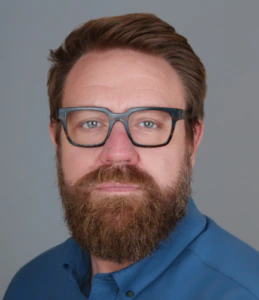
Finbarr Whooley, director of content, Museum of London
“We can remind society that immigration is not a new phenomenon and has been fundamental to our history. We know from research into our skeletal collections that people from Eastern Europe and North Africa lived in London 2,000 years ago. Tension around immigration is not new either and our collections can often address this. For example, in the aftermath of the Great Fire of London, French and Catholic people were targeted by a population needing someone to blame, something we are highlighting in our Fire! Fire! exhibition.”
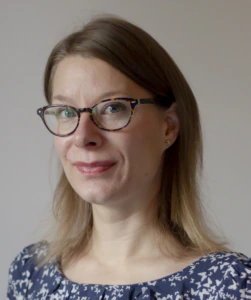
Sophie Henderson, director, Migration Museum Project
“Despite the referendum highlighting deep concern about immigration, research suggests Britons fear it more nationally or in the abstract, than locally or personally. Museums are oases of trusted calm that familiarise what seems ‘other’ through sharing stories. Our recent Calais exhibition demonstrated public appetite for engaging with complex contemporary issues in interactive ways. People don’t like being preached to, but most want to engage with topics that preoccupy them. Museums’ challenge is to encourage critical reflection on migration in a way that resonates with audiences.”
Steph Mastoris, head, National Waterfront Museum, Swansea
“We can start by explaining past and present migration to the UK from a variety of perspectives –social, cultural, economic and political. There is much that can be done through collections and our knowledge to help visitors and communities reflect positively on the long history of migration, which has affected every part of the country. But beyond these displays and related events, museums should host and facilitate the work of organisations that are dealing with the complexities and debates about immigration today. They should provide a safe space to discuss difficult subjects.”
Kylea Little manager: collections, research & curatorial, Tyne & Wear Archives & Museums
“Listen to the people in your community. Are their fears really about immigration or something else? Can you address those fears? Does the growing inequality in society feature in this discussion? We must engage in the subject. In museums, people can see behind the headlines. Increase understanding by including stories from immigrants. Draw out the hopes, fears and ambitions that cross communities. Embrace the principles set out in Museums Change Lives. Museums can be a space to foster questioning, debate and critical thinking.”
“We can remind society that immigration is not a new phenomenon and has been fundamental to our history. We know from research into our skeletal collections that people from Eastern Europe and North Africa lived in London 2,000 years ago. Tension around immigration is not new either and our collections can often address this. For example, in the aftermath of the Great Fire of London, French and Catholic people were targeted by a population needing someone to blame, something we are highlighting in our Fire! Fire! exhibition.”
Sophie Henderson, director, Migration Museum Project
“Despite the referendum highlighting deep concern about immigration, research suggests Britons fear it more nationally or in the abstract, than locally or personally. Museums are oases of trusted calm that familiarise what seems ‘other’ through sharing stories. Our recent Calais exhibition demonstrated public appetite for engaging with complex contemporary issues in interactive ways. People don’t like being preached to, but most want to engage with topics that preoccupy them. Museums’ challenge is to encourage critical reflection on migration in a way that resonates with audiences.”
Steph Mastoris, head, National Waterfront Museum, Swansea
“We can start by explaining past and present migration to the UK from a variety of perspectives –social, cultural, economic and political. There is much that can be done through collections and our knowledge to help visitors and communities reflect positively on the long history of migration, which has affected every part of the country. But beyond these displays and related events, museums should host and facilitate the work of organisations that are dealing with the complexities and debates about immigration today. They should provide a safe space to discuss difficult subjects.”
Kylea Little manager: collections, research & curatorial, Tyne & Wear Archives & Museums
“Listen to the people in your community. Are their fears really about immigration or something else? Can you address those fears? Does the growing inequality in society feature in this discussion? We must engage in the subject. In museums, people can see behind the headlines. Increase understanding by including stories from immigrants. Draw out the hopes, fears and ambitions that cross communities. Embrace the principles set out in Museums Change Lives. Museums can be a space to foster questioning, debate and critical thinking.”