Dear Diana: It is vital we represent lesbian, gay, bisexual and transgender (LGBT) lives and experiences in museums, and draw them out of our collections. But how we present LGBT history is also hugely important. I like the idea of “usualising” queerness. This means moving beyond isolated events and exhibitions, which are separate from everything else. At Royal Museums Greenwich, I’m excited to see LGBT perspectives being integrated in everything we do, from new exhibitions to family programmes. I hope this continues, because it communicates a message to our LGBT visitors that their lives are not something weird, exotic or inappropriate.
Best wishes, Sacha
Dear Sacha: I agree that museums should do more to represent LGBT lives and I feel it is important to involve LGBTQIA+ people in deciding how these stories are told. Our new exhibition, Proud City: LGBTQIA+ Edinburgh, was developed working in partnership with LGBT Health and Wellbeing. It guided us on best practice, and we jointly set up an event for LGBTQIA+ people to discuss exhibition themes and choose items for display. We also encouraged participants to loan objects and share their knowledge. Finally, we commissioned a film showing LGBTQIA+ people discussing issues important to them.
Best wishes, Diana
Dear Diana: That sounds great – I can’t wait to see the finished exhibition. We are also embedding co-creation into everything we do for future LGBT history months. Although feedback this year was overwhelmingly positive, we heard that our representation of trans people was lacking. It’s important that we are responsive to this critique. This year, we hope to partner with London-based trans groups to develop content for next February. We are also setting up a consultation group, so we can bring local communities into the conversation on how our museums deal with LGBT histories and perspectives.
Best wishes, Sacha
Dear Sacha: We have found that the umbrella term LGBTQIA+ includes such a diverse range of people, it is perhaps better to speak of “communities”, rather than a single community. We also worked with organisations exploring issues of intersectionality to diversify our approach. Our partners have provided us with contacts and advice. Museums tend to be hesitant about using the “wrong” terminology, so it helps
to have partners who can advise, especially when trying to explain terms that may be unfamiliar to museum visitors in an exhibition.
Best wishes, Diana
Dear Diana: You are so right to bring up diversity within these communities; LGBT people exist across all sections of society that we engage with. At our Out At Sea event, we had content aimed at families, history enthusiasts and drop-in visitors to treat LGBT visitors not as a single, but as multiple, audiences. Last weekend, I went to the fantastic LGBT tour at the Victoria and Albert Museum (on the last Saturday of every month) and was inspired by the layered interpretation of its collections. Going forward, our biggest drive will be researching our own collections with a “queer eye”.
Best wishes, Sacha
Dear Sacha: I agree that there is so much scope in museums to reassess collections and explore the links to LGBTQIA+ lives. I would be particularly keen to invite local communities to be involved in this. There are also opportunities to explore LGBTQIA+ life through contemporary collecting, so in future, museums can tell these stories better. I am aware of the limitations of a single project or exhibition, but I hope that our show Proud City has not only given LGBTQIA+ people a voice in our museums, but also promoted understanding in the wider community.
Best wishes, Diana
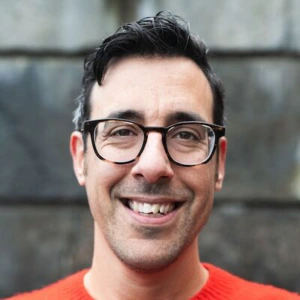
Sacha Coward is the family programmes producer at Royal Museums Greenwich.
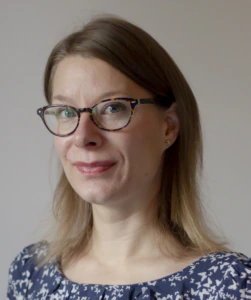
Diana Morton is the outreach and access manager, cultural services, at the City of Edinburgh Council.
Sacha Coward will be speaking at the Museums Association conference in a session about activism in museums, and Diana Morton will speak about the diversity and representation of minority groups in museums. For details visit www.museumsassociation.org/conference
Best wishes, Sacha
Dear Sacha: I agree that museums should do more to represent LGBT lives and I feel it is important to involve LGBTQIA+ people in deciding how these stories are told. Our new exhibition, Proud City: LGBTQIA+ Edinburgh, was developed working in partnership with LGBT Health and Wellbeing. It guided us on best practice, and we jointly set up an event for LGBTQIA+ people to discuss exhibition themes and choose items for display. We also encouraged participants to loan objects and share their knowledge. Finally, we commissioned a film showing LGBTQIA+ people discussing issues important to them.
Best wishes, Diana
Dear Diana: That sounds great – I can’t wait to see the finished exhibition. We are also embedding co-creation into everything we do for future LGBT history months. Although feedback this year was overwhelmingly positive, we heard that our representation of trans people was lacking. It’s important that we are responsive to this critique. This year, we hope to partner with London-based trans groups to develop content for next February. We are also setting up a consultation group, so we can bring local communities into the conversation on how our museums deal with LGBT histories and perspectives.
Best wishes, Sacha
Dear Sacha: We have found that the umbrella term LGBTQIA+ includes such a diverse range of people, it is perhaps better to speak of “communities”, rather than a single community. We also worked with organisations exploring issues of intersectionality to diversify our approach. Our partners have provided us with contacts and advice. Museums tend to be hesitant about using the “wrong” terminology, so it helps
to have partners who can advise, especially when trying to explain terms that may be unfamiliar to museum visitors in an exhibition.
Best wishes, Diana
Dear Diana: You are so right to bring up diversity within these communities; LGBT people exist across all sections of society that we engage with. At our Out At Sea event, we had content aimed at families, history enthusiasts and drop-in visitors to treat LGBT visitors not as a single, but as multiple, audiences. Last weekend, I went to the fantastic LGBT tour at the Victoria and Albert Museum (on the last Saturday of every month) and was inspired by the layered interpretation of its collections. Going forward, our biggest drive will be researching our own collections with a “queer eye”.
Best wishes, Sacha
Dear Sacha: I agree that there is so much scope in museums to reassess collections and explore the links to LGBTQIA+ lives. I would be particularly keen to invite local communities to be involved in this. There are also opportunities to explore LGBTQIA+ life through contemporary collecting, so in future, museums can tell these stories better. I am aware of the limitations of a single project or exhibition, but I hope that our show Proud City has not only given LGBTQIA+ people a voice in our museums, but also promoted understanding in the wider community.
Best wishes, Diana
Sacha Coward is the family programmes producer at Royal Museums Greenwich.
Diana Morton is the outreach and access manager, cultural services, at the City of Edinburgh Council.
Sacha Coward will be speaking at the Museums Association conference in a session about activism in museums, and Diana Morton will speak about the diversity and representation of minority groups in museums. For details visit www.museumsassociation.org/conference