The Lowry opened a major solo exhibition by the British artist Katie Paterson on 28 April. Entitled Syzygy, it forms part of the line-up for Week 53, a new and ambitious cross-arts festival that our creative team has been excitedly planning for months.
The date marked the 16th anniversary of The Lowry first opening – thanks, in no small part, to £80m in National Lottery funding – in what couldn’t have been a more different landscape.
When The Lowry burst on to the scene (as the then flagship millennium project for the arts), our nearest neighbours were hundreds of metres away, past a series of wasteland car parks and a cafe in a Portakabin. Today, within a stone’s throw by even the least energetic person, they include – in order of their arrival – the Imperial War Museum North, Lowry Outlet, MediaCityUK, University of Salford, Coronation Street set and a University Technical College spearheaded by The Lowry and our very own chairman, Sir Rod Aldridge.
Regeneration experts have hailed The Lowry a cornerstone of that transformation – valued at £1.4bn, no less – and proof, if it were needed, that museums and galleries can, and do, change lives.
And it’s not just bricks and mortar. Having set up shop in an area with extremely low arts engagement, The Lowry set out to use our creative assets to have a positive effect on the lives of hard-to-reach young people in Salford.
Through various projects and initiatives over the years, we have formed long-term relationships with local youth groups, including looked-after children, young parents, young carers and those on the autism spectrum. We have provided invaluable work experience through our Youth Employment Scheme and, in the past 12 months alone, have provided employability skills training to more than 500 young people.
We strongly believe that being creative helps young people articulate what’s going on in their life, and the lives of those around them – making their community stronger and, ultimately, happier.
Our employees are, without doubt, our biggest community asset. A third are Salford residents and well over three-quarters live within Greater Manchester. I grew up in Salford and remember the impact that the decline of the once-bustling Manchester Docks had on the local area. And similarly, to witness that same area’s rebirth, thanks to The Lowry and our fellow Salford Quays-based businesses, is a source of great pride.
To quote the Museums Association’s initiative Museums Change Lives, every museum is, indeed, different, but they can all find ways of maximising their social impact. The Lowry has achieved a great deal over the past 16 years and, thanks to active public participation, those achievements have been reached jointly with the people who, for us, are ultimately what it’s all about.
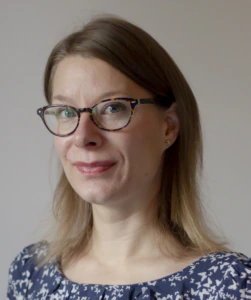
Julia Fawcett is the chief executive of The Lowry
The date marked the 16th anniversary of The Lowry first opening – thanks, in no small part, to £80m in National Lottery funding – in what couldn’t have been a more different landscape.
When The Lowry burst on to the scene (as the then flagship millennium project for the arts), our nearest neighbours were hundreds of metres away, past a series of wasteland car parks and a cafe in a Portakabin. Today, within a stone’s throw by even the least energetic person, they include – in order of their arrival – the Imperial War Museum North, Lowry Outlet, MediaCityUK, University of Salford, Coronation Street set and a University Technical College spearheaded by The Lowry and our very own chairman, Sir Rod Aldridge.
Regeneration experts have hailed The Lowry a cornerstone of that transformation – valued at £1.4bn, no less – and proof, if it were needed, that museums and galleries can, and do, change lives.
And it’s not just bricks and mortar. Having set up shop in an area with extremely low arts engagement, The Lowry set out to use our creative assets to have a positive effect on the lives of hard-to-reach young people in Salford.
Through various projects and initiatives over the years, we have formed long-term relationships with local youth groups, including looked-after children, young parents, young carers and those on the autism spectrum. We have provided invaluable work experience through our Youth Employment Scheme and, in the past 12 months alone, have provided employability skills training to more than 500 young people.
We strongly believe that being creative helps young people articulate what’s going on in their life, and the lives of those around them – making their community stronger and, ultimately, happier.
Our employees are, without doubt, our biggest community asset. A third are Salford residents and well over three-quarters live within Greater Manchester. I grew up in Salford and remember the impact that the decline of the once-bustling Manchester Docks had on the local area. And similarly, to witness that same area’s rebirth, thanks to The Lowry and our fellow Salford Quays-based businesses, is a source of great pride.
To quote the Museums Association’s initiative Museums Change Lives, every museum is, indeed, different, but they can all find ways of maximising their social impact. The Lowry has achieved a great deal over the past 16 years and, thanks to active public participation, those achievements have been reached jointly with the people who, for us, are ultimately what it’s all about.
Julia Fawcett is the chief executive of The Lowry