Dear Gus: I am seeking a museum that engages with diverse audiences in imaginative and responsible ways. It follows that such a museum would be looking to put across important ideas, no matter how challenging, and in the process be enhancing visitors’ understanding of things that matter. It’s tempting to go for a wow factor, which is commercially effective. But there is no need to choose – museums can offer understanding, tools for conversation and critique, as well as stunning experiences that have an impact on a range of groups, including children.
Best wishes, Ludmilla
Dear Ludmilla: I share your aspirations to find museums that engage broadly, deeply and thoughtfully. Thankfully, most museums share your vision of developing this sort of considered relationship with audiences. A generation ago, it felt as if community-focused projects, innovative audience development and diversity were the key growth areas. Today, far more focus is being placed on income generation and development. I will be looking for museums that have found a sensitive balance between addressing the varied needs of all of their constituencies.
Best wishes, Gus
Dear Gus: I agree, but there are sometimes issues around programming in a world where there is pressure to deliver safe crowd-pleasers. So I am also seeking a museum that will take significant risks, as it’s possible that challenging activities have the capacity to bring in new audiences. We must support innovative museums that work energetically within less privileged environments, where they may be the main cultural facility. So, we come back to museums not just as places of custodianship, exhibitions and curatorial activity, but also as arenas for promoting reflection and critique.
Best wishes, Ludmilla
Dear Ludmilla: I don’t mind the crowd-pleasers. Museums have a responsibility to speak to people – and to sometimes give them what they want – but even challenging programming would be more popular if audience development and sustaining deep community relationships was a higher priority. Engaging that wider audience might not be just about more crowd-pleasers, but about better interfaces, creating a higher quality of more ambitious engagement and then sustaining those relationships beyond the initial programme. It is difficult and resource intensive, but the best museums seem to be able to do it – and this prize should go to the best.
Best wishes, Gus
Dear Gus: We are not of one mind about programming. I find some exhibitions too predictable, for example, in their focus on a single big-name artist. My final thought is about scale. It’s likely that we are most easily wowed by the work of larger, better-resourced and well-established institutions. I suspect that affects notions of what’s “best”. Let’s probe that idea, and discuss what small museums may do particularly well.
Best wishes, Ludmilla
Dear Ludmilla: We agree on a lot, but we also have our particular areas of interest. “Interfaces” are the aspect of museums that I make a judgment about even before I consider programme. The interfaces are websites, museums’ physical entrances, marketing materials, staff attitude and demeanour – the things that sit between you and seeing the content. We need to work hard to make these public spaces feel comfortable, accessible and welcoming to the broadest possible range of people. The sector still has a journey ahead, but in the meantime, I am looking forward to getting out there and seeing the best practice, and confirming my belief that ours is the world’s finest museum sector.
Best wishes, Gus
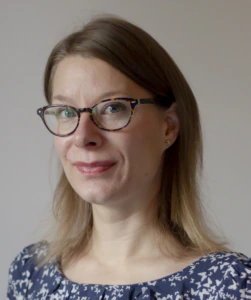
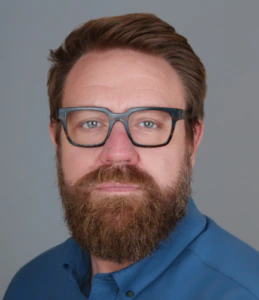
Ludmilla Jordanova and Gus Casely-Hayford are judges for the Art Fund Prize for Museum of the Year 2016. The other judges are BBC arts editor Will Gompertz and artist Cornelia Parker. The panel will be chaired by Stephen Deuchar, the director of the Art Fund. The shortlisted museums will be announced on 29 April.
Best wishes, Ludmilla
Dear Ludmilla: I share your aspirations to find museums that engage broadly, deeply and thoughtfully. Thankfully, most museums share your vision of developing this sort of considered relationship with audiences. A generation ago, it felt as if community-focused projects, innovative audience development and diversity were the key growth areas. Today, far more focus is being placed on income generation and development. I will be looking for museums that have found a sensitive balance between addressing the varied needs of all of their constituencies.
Best wishes, Gus
Dear Gus: I agree, but there are sometimes issues around programming in a world where there is pressure to deliver safe crowd-pleasers. So I am also seeking a museum that will take significant risks, as it’s possible that challenging activities have the capacity to bring in new audiences. We must support innovative museums that work energetically within less privileged environments, where they may be the main cultural facility. So, we come back to museums not just as places of custodianship, exhibitions and curatorial activity, but also as arenas for promoting reflection and critique.
Best wishes, Ludmilla
Dear Ludmilla: I don’t mind the crowd-pleasers. Museums have a responsibility to speak to people – and to sometimes give them what they want – but even challenging programming would be more popular if audience development and sustaining deep community relationships was a higher priority. Engaging that wider audience might not be just about more crowd-pleasers, but about better interfaces, creating a higher quality of more ambitious engagement and then sustaining those relationships beyond the initial programme. It is difficult and resource intensive, but the best museums seem to be able to do it – and this prize should go to the best.
Best wishes, Gus
Dear Gus: We are not of one mind about programming. I find some exhibitions too predictable, for example, in their focus on a single big-name artist. My final thought is about scale. It’s likely that we are most easily wowed by the work of larger, better-resourced and well-established institutions. I suspect that affects notions of what’s “best”. Let’s probe that idea, and discuss what small museums may do particularly well.
Best wishes, Ludmilla
Dear Ludmilla: We agree on a lot, but we also have our particular areas of interest. “Interfaces” are the aspect of museums that I make a judgment about even before I consider programme. The interfaces are websites, museums’ physical entrances, marketing materials, staff attitude and demeanour – the things that sit between you and seeing the content. We need to work hard to make these public spaces feel comfortable, accessible and welcoming to the broadest possible range of people. The sector still has a journey ahead, but in the meantime, I am looking forward to getting out there and seeing the best practice, and confirming my belief that ours is the world’s finest museum sector.
Best wishes, Gus
Ludmilla Jordanova and Gus Casely-Hayford are judges for the Art Fund Prize for Museum of the Year 2016. The other judges are BBC arts editor Will Gompertz and artist Cornelia Parker. The panel will be chaired by Stephen Deuchar, the director of the Art Fund. The shortlisted museums will be announced on 29 April.