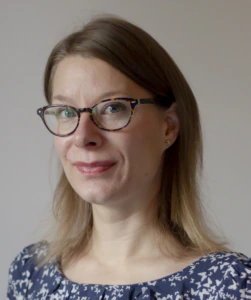
When my predecessor, Kathryn Perera, spoke at the Museums Association’s (MA) Moving On Up career development conference earlier this year, she talked about the relevance of building a different kind of leadership as your sector looks to develop its contribution and place in public life.
At Movement for Change, a not-for-profit social enterprise, we have a clear idea of what a leader looks like. They are not a spokesperson or the most articulate person necessarily, but they must be able to build a following – we believe that the primary purpose of leadership in public life is to create other leaders.
We work to embed this lasting leadership in communities, which in turn create the change they want to see. That means building local movements with people to tackle the issues they face. The MA’s Museums Change Lives initiative chimes with our values, as the project asks what a museum’s role in public life should be beyond its conventional duties.
As the MA’s vision has set out, increasing public participation cannot only change the sector’s institutions for the better, it must also make them more powerful and relevant by bringing people together to engage with museums as community institutions rooted in their sense of place.
The process by which we can achieve that is paramount, and it’s called community organising.
Since we were founded we have used these tools in communities to develop powerful groups of organised people, winning change in the face of vested interests.
The stories from history that are told so well at museums serve not only to inspire, but also to teach us a simple lesson: that if we harness the energy and drive that there is on every street and every community, then together we can make change happen by tackling the issues of social justice that face us today.
The US civil rights movement serves as an example, depicting a key time when organised people prevailed against human rights abuses. It showed that when individuals organised around an issue of great importance to them, they could win.
For your sector, the journey starts with building a shared vision of what you want to achieve and taking action together to make it happen.
In practice, this will mean opening up innovative ways of doing things, involving people who may not visit often or at all and, above all, increasing participation, not as consumers but as active citizens and creators of change.
As your sector opens up to the possibilities of building powerful institutions for social change, it’s exciting to be a part of that discussion.
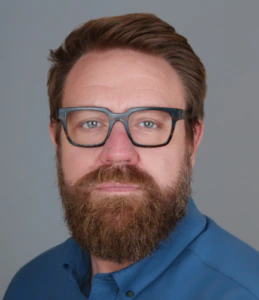
Phil McCauley is the acting chief executive of Movement for Change
At Movement for Change, a not-for-profit social enterprise, we have a clear idea of what a leader looks like. They are not a spokesperson or the most articulate person necessarily, but they must be able to build a following – we believe that the primary purpose of leadership in public life is to create other leaders.
We work to embed this lasting leadership in communities, which in turn create the change they want to see. That means building local movements with people to tackle the issues they face. The MA’s Museums Change Lives initiative chimes with our values, as the project asks what a museum’s role in public life should be beyond its conventional duties.
As the MA’s vision has set out, increasing public participation cannot only change the sector’s institutions for the better, it must also make them more powerful and relevant by bringing people together to engage with museums as community institutions rooted in their sense of place.
The process by which we can achieve that is paramount, and it’s called community organising.
Since we were founded we have used these tools in communities to develop powerful groups of organised people, winning change in the face of vested interests.
The stories from history that are told so well at museums serve not only to inspire, but also to teach us a simple lesson: that if we harness the energy and drive that there is on every street and every community, then together we can make change happen by tackling the issues of social justice that face us today.
The US civil rights movement serves as an example, depicting a key time when organised people prevailed against human rights abuses. It showed that when individuals organised around an issue of great importance to them, they could win.
For your sector, the journey starts with building a shared vision of what you want to achieve and taking action together to make it happen.
In practice, this will mean opening up innovative ways of doing things, involving people who may not visit often or at all and, above all, increasing participation, not as consumers but as active citizens and creators of change.
As your sector opens up to the possibilities of building powerful institutions for social change, it’s exciting to be a part of that discussion.
Phil McCauley is the acting chief executive of Movement for Change