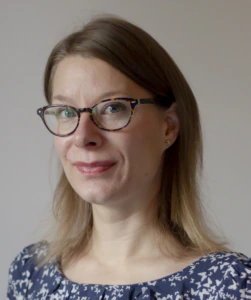
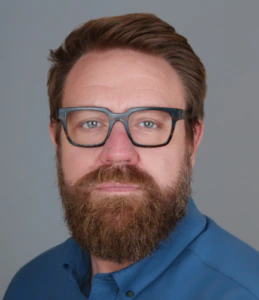
Sybil Williams is the director of the Cardiff-based charity Pedal Power, a partner in the Our Museum project at Amgueddfa Cymru (National Museum Wales); Janice Lane is the director of learning, exhibitions and new media at National Museum Wales (Amgueddfa Cymru), which is a partner in the Paul Hamlyn Foundation Our Museum initiative
Dear Janice:
Before communities can affect decision-making, the museum needs to know which communities actually are in the area and already engage with them. In determining which communities visit the museum, it may be clear that there are certain ones that do not engage with the museum. This can help a museum decide to work with a particular community.
Best wishes, Sybil
Dear Sybil:
Opening up a purposeful dialogue with communities (that isn’t just consultation) is the most difficult long-term challenge museums face. We have often found that the best way to make purposeful relationships is by working with partner agencies such as yours, as you often have a closer relationship with people in our communities.
It is hard for the sector to dispel the perception that a museum is just a building with collections on display – not an active space for social exchange. What we must do is work with our visitors and communities, partners and stakeholders to continue to redefine the role of museums, so communities are not only decision-makers with us but active advocates for us, particularly in today’s civic society where public realm, public ownership and public services are being severely reduced.
Best wishes, Janice
Dear Janice:
Perhaps it is about equality of access and equal opportunities. I agree that you can work with all museum visitors, stakeholders and partners to redefine a museum’s role. While this will take time and commitment, I bet that some of your visitors would love to be consulted.
Best wishes, Sybil
Dear Sybil:
I am interested in how museums more actively enable debate about the big issues society faces. We use them as community spaces to engage people with politics, generating knowledge to empower them to be informed decision-makers in civil society.
But as people working in museums, what do we bring to this process of dialogue and “co-production” that undermines it from the start? Are we still working in ways that reinforce the museum/partner as benevolent “givers” of cultural access, where privilege may be presented as “the norm”, rather than active agents in exploring and sharing cultures and knowledge? Much of the expertise that is relevant to us sits outside the museum and bringing different expertise together is still a challenge.
Best wishes, Janice
Dear Janice:
It is easy to remain in a silo and not look beyond normal processes. Once embedded into an organisation, you can become comfortable and want to maintain the status quo. So that this doesn’t occur, managers need to be motivated, well connected and aware of what is going on around the world.
New staff bring new ideas, but if staff turnover is limited, using the expertise of other organisations can help to get to some of the issues that you wish to embed. Volunteers also offer an enormous resource, as they come could come from different backgrounds and cultures, and they may be the ultimate way to get to where you want to be. However, this will take a lot of planning, staff time and support.
Best wishes, Sybil
Dear Sybil:
I agree that seeing influences from beyond your own backyard and from other sectors is vital for understanding how you work and for getting ideas of different ways of working and good practice. We could do more as a sector (and across sector partners) to share our expertise and networks. This will become more essential as resources become scarcer. Building networking and reflection into people’s “day jobs” will be vital. Everyone needs to be on board.
Best wishes, Janice
Dear Janice:
Before communities can affect decision-making, the museum needs to know which communities actually are in the area and already engage with them. In determining which communities visit the museum, it may be clear that there are certain ones that do not engage with the museum. This can help a museum decide to work with a particular community.
Best wishes, Sybil
Dear Sybil:
Opening up a purposeful dialogue with communities (that isn’t just consultation) is the most difficult long-term challenge museums face. We have often found that the best way to make purposeful relationships is by working with partner agencies such as yours, as you often have a closer relationship with people in our communities.
It is hard for the sector to dispel the perception that a museum is just a building with collections on display – not an active space for social exchange. What we must do is work with our visitors and communities, partners and stakeholders to continue to redefine the role of museums, so communities are not only decision-makers with us but active advocates for us, particularly in today’s civic society where public realm, public ownership and public services are being severely reduced.
Best wishes, Janice
Dear Janice:
Perhaps it is about equality of access and equal opportunities. I agree that you can work with all museum visitors, stakeholders and partners to redefine a museum’s role. While this will take time and commitment, I bet that some of your visitors would love to be consulted.
Best wishes, Sybil
Dear Sybil:
I am interested in how museums more actively enable debate about the big issues society faces. We use them as community spaces to engage people with politics, generating knowledge to empower them to be informed decision-makers in civil society.
But as people working in museums, what do we bring to this process of dialogue and “co-production” that undermines it from the start? Are we still working in ways that reinforce the museum/partner as benevolent “givers” of cultural access, where privilege may be presented as “the norm”, rather than active agents in exploring and sharing cultures and knowledge? Much of the expertise that is relevant to us sits outside the museum and bringing different expertise together is still a challenge.
Best wishes, Janice
Dear Janice:
It is easy to remain in a silo and not look beyond normal processes. Once embedded into an organisation, you can become comfortable and want to maintain the status quo. So that this doesn’t occur, managers need to be motivated, well connected and aware of what is going on around the world.
New staff bring new ideas, but if staff turnover is limited, using the expertise of other organisations can help to get to some of the issues that you wish to embed. Volunteers also offer an enormous resource, as they come could come from different backgrounds and cultures, and they may be the ultimate way to get to where you want to be. However, this will take a lot of planning, staff time and support.
Best wishes, Sybil
Dear Sybil:
I agree that seeing influences from beyond your own backyard and from other sectors is vital for understanding how you work and for getting ideas of different ways of working and good practice. We could do more as a sector (and across sector partners) to share our expertise and networks. This will become more essential as resources become scarcer. Building networking and reflection into people’s “day jobs” will be vital. Everyone needs to be on board.
Best wishes, Janice