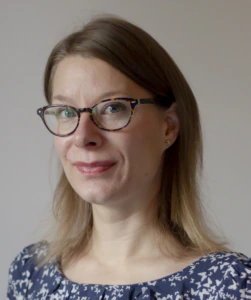
Emmie Kell is the project manager for the Cornwall Museums Partnership; Nêst Thomas is the principal museums and arts officer for Cyngor Gwynedd (Gwynedd County Council)
Dear Nêst:
I checked my trusty dictionary for the definition of resilience – it says “resuming original form after compression” and “readily recovering from setbacks”.
A good starting point for thinking about resilience in museums, as it says something about the ability to bounce back. The most resilient organisations are not the ones that necessarily “resume their original form” but those that are adaptable and constantly looking for new ways to deliver their core aims.
They are typified by staff who are open-minded and in touch with their audiences.
Best wishes, Emmie
Dear Emmie:
A good starting point – I googled the definition. It is also “the capacity to recover quickly from difficulties” and refers to “the often remarkable resilience of so many British institutions”.
In Welsh, it translates as “ystwythder” – flexible. In these challenging times, we have to embrace change and be responsive. In training sessions on change management, we are told we have to go through a period of crisis and chaos before we start to adapt.
But change is happening quickly and often people are resistant to it, especially if it is in a negative context such as financial cuts. We need to respond quickly and be certain that the decisions taken now ensure resilience.
Can we beat the ticking clock? We can’t afford not to, but feeling equipped to do so is a challenge.
Best wishes, Nêst
Dear Nêst:
The Welsh definition is spot on. Resilient organisations are flexible – they have mastered the art of adaptability. Arguably, this is more difficult for larger and older organisations.
Responsiveness is definitely one aspect of resilience but so is the ability to create change and generate new opportunities. We have known for some time that public sector cuts would continue and that there would be unprecedented pressure on the income streams some museums rely on.
Resilient organisations will have been working on diversifying their income streams, forging new partnerships and understanding the value of their assets (intellectual, human and physical) for the past three years at least. Resilience isn’t an end point – it’s a state of being.
Best wishes, Emmie
Dear Emmie:
If it’s a state of being, then we need to be able to pre-empt what’s around the corner and not wait for things to be done to us. Planning is key, as is the ability to change plans accordingly.
Wales has a national strategy for museums, which provides a key focus. Other agendas include local authority plans, health and wellbeing, and the child poverty agenda. It’s also crucial to have a clear understanding of these agendas, so they become part of our state of being.
Best wishes, Nêst
Dear Nêst:
I agree. Resilient organisations are proactive; they have the confidence to set the agenda, not just follow it. Flexible plans, the ability to prioritise and productive partnerships – all rooted in a sense of purpose – characterise resilient organisations. Museums that embrace this way of being will thrive.
Best wishes, Emmie
Dear Emmie:
Whatever course of action we decide on now will be key to the future of our museums. This will be our legacy.
Best wishes, Nêst
Emmie Kell and Nêst Thomas will be speaking about resilience at the Museums Association conference in Cardiff on 9-10 October
Dear Nêst:
I checked my trusty dictionary for the definition of resilience – it says “resuming original form after compression” and “readily recovering from setbacks”.
A good starting point for thinking about resilience in museums, as it says something about the ability to bounce back. The most resilient organisations are not the ones that necessarily “resume their original form” but those that are adaptable and constantly looking for new ways to deliver their core aims.
They are typified by staff who are open-minded and in touch with their audiences.
Best wishes, Emmie
Dear Emmie:
A good starting point – I googled the definition. It is also “the capacity to recover quickly from difficulties” and refers to “the often remarkable resilience of so many British institutions”.
In Welsh, it translates as “ystwythder” – flexible. In these challenging times, we have to embrace change and be responsive. In training sessions on change management, we are told we have to go through a period of crisis and chaos before we start to adapt.
But change is happening quickly and often people are resistant to it, especially if it is in a negative context such as financial cuts. We need to respond quickly and be certain that the decisions taken now ensure resilience.
Can we beat the ticking clock? We can’t afford not to, but feeling equipped to do so is a challenge.
Best wishes, Nêst
Dear Nêst:
The Welsh definition is spot on. Resilient organisations are flexible – they have mastered the art of adaptability. Arguably, this is more difficult for larger and older organisations.
Responsiveness is definitely one aspect of resilience but so is the ability to create change and generate new opportunities. We have known for some time that public sector cuts would continue and that there would be unprecedented pressure on the income streams some museums rely on.
Resilient organisations will have been working on diversifying their income streams, forging new partnerships and understanding the value of their assets (intellectual, human and physical) for the past three years at least. Resilience isn’t an end point – it’s a state of being.
Best wishes, Emmie
Dear Emmie:
If it’s a state of being, then we need to be able to pre-empt what’s around the corner and not wait for things to be done to us. Planning is key, as is the ability to change plans accordingly.
Wales has a national strategy for museums, which provides a key focus. Other agendas include local authority plans, health and wellbeing, and the child poverty agenda. It’s also crucial to have a clear understanding of these agendas, so they become part of our state of being.
Best wishes, Nêst
Dear Nêst:
I agree. Resilient organisations are proactive; they have the confidence to set the agenda, not just follow it. Flexible plans, the ability to prioritise and productive partnerships – all rooted in a sense of purpose – characterise resilient organisations. Museums that embrace this way of being will thrive.
Best wishes, Emmie
Dear Emmie:
Whatever course of action we decide on now will be key to the future of our museums. This will be our legacy.
Best wishes, Nêst
Emmie Kell and Nêst Thomas will be speaking about resilience at the Museums Association conference in Cardiff on 9-10 October