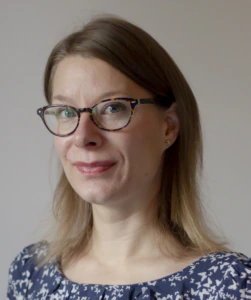
I recently combined my background in community education and engagement and my experience of working with hard-to-reach learners with the inspiring world of museums.
With only seven months’ museum experience as a community outreach education officer for Oxford University Museums, I am overwhelmed by the opportunities museums can offer people living on their doorstep.
Museums are in a unique position of being able to provide truly inclusive opportunities to people from all walks of life. Museum education has a naturally descriptive approach that caters to different learning styles and interests, generating genuine discussion and responses.
I appreciate this is probably standard to museum education officers but to community and adult education groups outside the museum, it is not.
When working with people who have been marginalised and/or convinced they are failures in life, museum education and access to collections can make a massive difference to how they see themselves and their place in society.
The huge variety of people I meet in this role – ex-offenders, prisoners, parents and carers, dementia patients, mental health service users and the homeless – have all expressed a sense of privilege in accessing museums and their objects, and have felt uplifted and welcomed.
They have been surprised by their positive experience and how valued they feel when their contributions are recognised.
Museums can liberate people from labels other funded programmes use to define them.
Instead, the opportunity and experience is one simply open to all: an inspiring world from which some people have been marginalised and discounted before. The transition from exclusion to inclusion, inaccessibility to accessibility, sometimes achievable in a couple of hours, is a revelation to me. I have often felt my new role has had more impact than previous work I have done.
Community education enables people to achieve qualifications that can lead to success in job interviews. But it is a world constrained by the need for tangible results. This hasn’t been my experience of working in museums.
While walking around one of our museums a member of a probation group happened to meet an old friend now working at the museum.
This meeting led to a life-changing decision for him. He told me and his offender manager: “It made me think, enough is enough: I’m too old for this crap. If he can turn his life around then so can I.”
I am impressed by the capacity of museums to educate, support and inspire people, but I am amazed at the position museums are in to make changes in people’s lives.
I appreciate this involves work but individual engagement can be achieved with ease. As another offender succinctly put it: “Life is outside your comfort zone; if you don’t go outside it, you don’t learn anything.”
Nicola Bird is the community outreach education officer at Oxford University Museums
With only seven months’ museum experience as a community outreach education officer for Oxford University Museums, I am overwhelmed by the opportunities museums can offer people living on their doorstep.
Museums are in a unique position of being able to provide truly inclusive opportunities to people from all walks of life. Museum education has a naturally descriptive approach that caters to different learning styles and interests, generating genuine discussion and responses.
I appreciate this is probably standard to museum education officers but to community and adult education groups outside the museum, it is not.
When working with people who have been marginalised and/or convinced they are failures in life, museum education and access to collections can make a massive difference to how they see themselves and their place in society.
The huge variety of people I meet in this role – ex-offenders, prisoners, parents and carers, dementia patients, mental health service users and the homeless – have all expressed a sense of privilege in accessing museums and their objects, and have felt uplifted and welcomed.
They have been surprised by their positive experience and how valued they feel when their contributions are recognised.
Museums can liberate people from labels other funded programmes use to define them.
Instead, the opportunity and experience is one simply open to all: an inspiring world from which some people have been marginalised and discounted before. The transition from exclusion to inclusion, inaccessibility to accessibility, sometimes achievable in a couple of hours, is a revelation to me. I have often felt my new role has had more impact than previous work I have done.
Community education enables people to achieve qualifications that can lead to success in job interviews. But it is a world constrained by the need for tangible results. This hasn’t been my experience of working in museums.
While walking around one of our museums a member of a probation group happened to meet an old friend now working at the museum.
This meeting led to a life-changing decision for him. He told me and his offender manager: “It made me think, enough is enough: I’m too old for this crap. If he can turn his life around then so can I.”
I am impressed by the capacity of museums to educate, support and inspire people, but I am amazed at the position museums are in to make changes in people’s lives.
I appreciate this involves work but individual engagement can be achieved with ease. As another offender succinctly put it: “Life is outside your comfort zone; if you don’t go outside it, you don’t learn anything.”
Nicola Bird is the community outreach education officer at Oxford University Museums