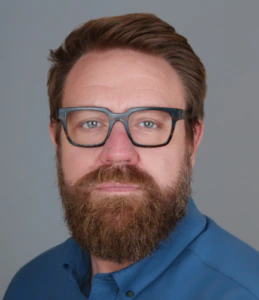
Matthew Tanner is the chief executive at ss Great Britain, Bristol, and chairman of the Association of Independent Museums; David Spence is the director of programmes at the Museum of London
Dear Matthew:
The Museum of London aims to “inspire a passion for London”, not “add to the gross domestic product of London” nor “make Londoners feel included”, though we would claim to do all of these. Both New Labour and the Coalition government have wrestled with this definition of value as Ashgate’s new book Museums and Public Value neatly illustrates.
Alan Davey was spot on when introducing ACE’s report on economic value, saying “we fund arts and culture because they have a unique ability to fire our imaginations…” But as it’s not possible to measure the candescence of a child’s mind, is the answer econometrics?
David
Dear David:
Economics is fundamentally about transactions between people. Transactions sometimes involve money and sometimes other things of value, such as the ability to fire the imagination. We can measure some and estimate others. The financial transaction at the heart of a museum that charges for entry forms a core driver for best practice and continuing innovations.
Economic survival is often the spur to excellent customer service, entrepreneurial leaps, genuine understanding of visitors’ needs, and offering great experiences that inspire and enthuse for our heritage.
Matthew
Dear Matthew:
Yes, survival is a spur to excellence, and we are all at our most inventive when budgets are tight, but my heart sinks when we talk of the arts in terms of economics.
Thomas Carlyle described it as the “dismal science” and the reduction of museum work to transactional activity is a poor representation of what we do. Let’s give culture secretary Maria Miller all the help we can to demonstrate our economic value but let’s demand our politicians value the inspiration that museum’s bring to people’s lives.
David
Dear David:
I don’t agree that “transactional” activity is a poor representation of what we do. It seems to me that transactions between people, and between people and material culture, remain fundamental to museum activity and meaning. Economic transactions are tilting towards the dull end of the spectrum, but they remain nevertheless part of it.
I don’t believe therefore that it is a black or white decision from philistine politicians, but a more difficult choice when there are plenty of other good causes on which to spend public money. Bread or circuses? Rather than bread and circuses? We may value everything but can’t have it all?
Matthew
Dear Matthew:
I think it is about recognising the value rather than having it all. Most people understand there must be choices, but on what grounds do we decide? We have a duty to elevate the public discourse about the many ways in which the arts provide a return on investment beyond economic measurement.
This is a responsibility for all of us and perhaps our political leaders more than most. Because funding is tight museums have to make a more cogent argument about their value to society. Part of the argument must be that inspiration and creativity provide sustenance, not just entertainment, and we must find a language to make our case understood.
David
Dear David:
Edutainment, edutainment, edutainment, as I think one philistine politician may once have said? By all means let’s elevate the public discourse, but don’t let’s get too far away from our own public. The recent survey on public attitudes was a timely reminder of how easy it can be to stand into danger through not giving the public what they want.
By all means give them what they never expected but don’t start from beyond the place where they actually are now. Arts Council England figures on economic return on investment are simple and powerful – for every pound invested in the arts, four are returned. That is simple enough language, and it still remains fun.
Matthew
Dear Matthew:
The Museum of London aims to “inspire a passion for London”, not “add to the gross domestic product of London” nor “make Londoners feel included”, though we would claim to do all of these. Both New Labour and the Coalition government have wrestled with this definition of value as Ashgate’s new book Museums and Public Value neatly illustrates.
Alan Davey was spot on when introducing ACE’s report on economic value, saying “we fund arts and culture because they have a unique ability to fire our imaginations…” But as it’s not possible to measure the candescence of a child’s mind, is the answer econometrics?
David
Dear David:
Economics is fundamentally about transactions between people. Transactions sometimes involve money and sometimes other things of value, such as the ability to fire the imagination. We can measure some and estimate others. The financial transaction at the heart of a museum that charges for entry forms a core driver for best practice and continuing innovations.
Economic survival is often the spur to excellent customer service, entrepreneurial leaps, genuine understanding of visitors’ needs, and offering great experiences that inspire and enthuse for our heritage.
Matthew
Dear Matthew:
Yes, survival is a spur to excellence, and we are all at our most inventive when budgets are tight, but my heart sinks when we talk of the arts in terms of economics.
Thomas Carlyle described it as the “dismal science” and the reduction of museum work to transactional activity is a poor representation of what we do. Let’s give culture secretary Maria Miller all the help we can to demonstrate our economic value but let’s demand our politicians value the inspiration that museum’s bring to people’s lives.
David
Dear David:
I don’t agree that “transactional” activity is a poor representation of what we do. It seems to me that transactions between people, and between people and material culture, remain fundamental to museum activity and meaning. Economic transactions are tilting towards the dull end of the spectrum, but they remain nevertheless part of it.
I don’t believe therefore that it is a black or white decision from philistine politicians, but a more difficult choice when there are plenty of other good causes on which to spend public money. Bread or circuses? Rather than bread and circuses? We may value everything but can’t have it all?
Matthew
Dear Matthew:
I think it is about recognising the value rather than having it all. Most people understand there must be choices, but on what grounds do we decide? We have a duty to elevate the public discourse about the many ways in which the arts provide a return on investment beyond economic measurement.
This is a responsibility for all of us and perhaps our political leaders more than most. Because funding is tight museums have to make a more cogent argument about their value to society. Part of the argument must be that inspiration and creativity provide sustenance, not just entertainment, and we must find a language to make our case understood.
David
Dear David:
Edutainment, edutainment, edutainment, as I think one philistine politician may once have said? By all means let’s elevate the public discourse, but don’t let’s get too far away from our own public. The recent survey on public attitudes was a timely reminder of how easy it can be to stand into danger through not giving the public what they want.
By all means give them what they never expected but don’t start from beyond the place where they actually are now. Arts Council England figures on economic return on investment are simple and powerful – for every pound invested in the arts, four are returned. That is simple enough language, and it still remains fun.
Matthew