In recent years numerous museums and galleries have targeted audiences’ health and wellbeing needs.
From mental health service users, older adults with dementia, people with physical and cognitive disabilities, to public health education, training and rehabilitation, museums are offering an impressive variety of healthy programmes and activities.
The challenge is to fully understand the benefits of such encounters to health and wellbeing, so that we can clearly articulate our contribution.
This has never been more important than at the present time. The radical reforms brought about by the Health and Social Care Act, with a focus on prevention rather than cure and greater involvement of the third sector, present new opportunities and challenges for museums.
This increased activity is supported by a growing body of research that demonstrates the many ways in which museum encounters can impact on individual and community health and wellbeing, and this burgeoning area of museum activity is encouraging an array of training days and workshops.
The increased profile of the sector’s contribution to public health was exemplified by the Royal Society for Public Health’s Training Solutions event last month.
The society is an independent, multidisciplinary charity, dedicated to the promotion of all aspects of health and wellbeing.
The society is intending to support this area further and is keen to see a more enlightened approach to cross-disciplinary working. There is great potential for a more systematic integration of arts-related practice into traditionally focused public health interventions.
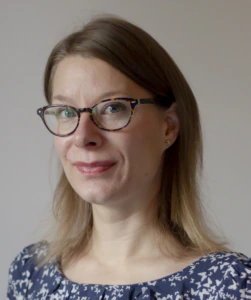
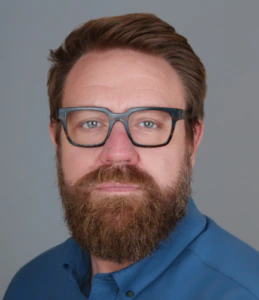
Michelle Weiner, the community engagement manager at the Dulwich Picture Gallery, London, and myself were invited to contribute as both of our organisations have been recipients of the society’s Arts and Health Award.
Dulwich Picture Gallery’s Good Times programme is perhaps one of the most well-known health initiatives. It provides a range of activities including workshops and gallery tours for older adults, targeting socially isolated members of the community.
The gallery also offers a Prescription for Art service with local doctors’ surgeries, where nurses with responsibility for older adults invite patients to creative workshops run by the gallery.
An evaluation of Good Times, by Oxford University’s Institute of Ageing, used a range of questionnaires, diaries and personal testaments, selected interviews with participants and observations from creative workshops, to evaluate the impact of the programme.
The research showed that the programme enhances the lives of local people, helps combat social isolation and enhances the efficacy of conventional medical treatment.
Research at UCL Museums has focused on gathering a robust evidence base, using a mix of quantitative and qualitative methods, to show the impact of museum encounters, such as object handling, on psychological and subjective wellbeing and happiness.
We are now in the process of developing a museum-wellbeing measure in partnership with a host of museums and funded by the Arts and Humanities Research Council.
Many museums now have programmes and activities specifically tailored to deliver health and social care outcomes and our goal is to work in partnership with these venues to collate a collective body of evidence for the efficacy of museum encounters on different aspects of health and wellbeing.
Helen Chatterjee is the deputy director of UCL Museums and Collections. Her book, Museums, Health and Wellbeing, is out in the autumn.
Health and museums will be a theme at this year’s Museums Association conference in Liverpool
From mental health service users, older adults with dementia, people with physical and cognitive disabilities, to public health education, training and rehabilitation, museums are offering an impressive variety of healthy programmes and activities.
The challenge is to fully understand the benefits of such encounters to health and wellbeing, so that we can clearly articulate our contribution.
This has never been more important than at the present time. The radical reforms brought about by the Health and Social Care Act, with a focus on prevention rather than cure and greater involvement of the third sector, present new opportunities and challenges for museums.
This increased activity is supported by a growing body of research that demonstrates the many ways in which museum encounters can impact on individual and community health and wellbeing, and this burgeoning area of museum activity is encouraging an array of training days and workshops.
The increased profile of the sector’s contribution to public health was exemplified by the Royal Society for Public Health’s Training Solutions event last month.
The society is an independent, multidisciplinary charity, dedicated to the promotion of all aspects of health and wellbeing.
The society is intending to support this area further and is keen to see a more enlightened approach to cross-disciplinary working. There is great potential for a more systematic integration of arts-related practice into traditionally focused public health interventions.
Michelle Weiner, the community engagement manager at the Dulwich Picture Gallery, London, and myself were invited to contribute as both of our organisations have been recipients of the society’s Arts and Health Award.
Dulwich Picture Gallery’s Good Times programme is perhaps one of the most well-known health initiatives. It provides a range of activities including workshops and gallery tours for older adults, targeting socially isolated members of the community.
The gallery also offers a Prescription for Art service with local doctors’ surgeries, where nurses with responsibility for older adults invite patients to creative workshops run by the gallery.
An evaluation of Good Times, by Oxford University’s Institute of Ageing, used a range of questionnaires, diaries and personal testaments, selected interviews with participants and observations from creative workshops, to evaluate the impact of the programme.
The research showed that the programme enhances the lives of local people, helps combat social isolation and enhances the efficacy of conventional medical treatment.
Research at UCL Museums has focused on gathering a robust evidence base, using a mix of quantitative and qualitative methods, to show the impact of museum encounters, such as object handling, on psychological and subjective wellbeing and happiness.
We are now in the process of developing a museum-wellbeing measure in partnership with a host of museums and funded by the Arts and Humanities Research Council.
Many museums now have programmes and activities specifically tailored to deliver health and social care outcomes and our goal is to work in partnership with these venues to collate a collective body of evidence for the efficacy of museum encounters on different aspects of health and wellbeing.
Helen Chatterjee is the deputy director of UCL Museums and Collections. Her book, Museums, Health and Wellbeing, is out in the autumn.
Health and museums will be a theme at this year’s Museums Association conference in Liverpool