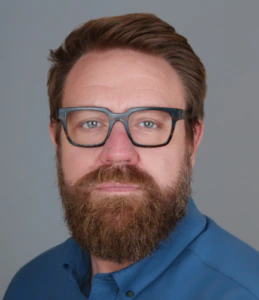
Fiona Talbott is the head of the museums, libraries and archives at the Heritage Lottery Fund (HLF). Maurice Davies is the head of policy at the Museums Association
Dear Fiona
My answer is yes, but… Yes, there will always be some new museum capital projects worth investing in. But we must be more honest about which capital projects work for audiences and which don’t. So yes to creating new facilities such as learning spaces.
And yes to improving circulation (as long as the cost is reasonable). But no to over-complex permanent displays that will date quickly and not attract repeat visits (unless you have a world-class collection and can rely on endless international tourists). And no to over-spec-ed stores that have unnecessarily tight environmental controls.
Best, Maurice
Dear Maurice
It’s great to hear that we’re in agreement! Over the past 18 years HLF’s support of over £1bn has transformed the museum experience across the UK. We’re always looking for value for money so we don’t want overly expensive and complex displays, either.
However, in tough times capital projects will be the very thing to generate new audiences with our research showing that visitor figures tend to rise by 50% in projects we fund. To paraphrase Woody Allen, “museums are like sharks… they need to constantly move forward or they die”, so we will continue to invest!
Fiona
Dear Fiona
Perhaps I’ve misunderstood you, but you seem to be arguing that a museum should routinely undertake capital development. Surely that’s not sustainable environmentally or financially?
Once a museum is in good physical shape, as many now are, the way to generate new audiences that will return is lively programming, appealing activities and engaging community work.
That means investment in staff, especially creative people, to generate great content and work with audiences. To move forward and thrive, museums need to be flexible and ever-changing – and that usually means people, not big vanity building projects.
Best wishes, Maurice
Dear Maurice
I’m not suggesting constant change, but pointing out that there are museums, large and small, that require capital investment so HLF will still provide funding. Museums can only move forward if they continue to be relevant to their audiences and provide new experiences and activities.
Let’s not forget that we have awarded over £275m for audience and collection projects. We hope to see more projects of this type with our increased budget and flexible strategic framework. In the current financial situation it is those projects that can help museums remain creative, audience-focused organisations.
All the best, Fiona
Dear Fiona
A museum should think extraordinarily carefully about whether a large-scale capital development is the best way to build its audience. With major cuts in revenue, it’s no good having a beautiful building with smart displays, but no resources to provide the “experiences and activities”
you mention that are needed to attract repeat visitors. I hope the balance will shift and over the next decade HLF spends at least as much on museum activity as it does on museum building and fit out.
Best, Maurice
Dear Maurice
I think you have misunderstood me this time! One of the strengths of HLF is that we respond to what the sector tells us that it needs. So we’ll always fund a mix of capital and activity projects.
We’d love to see more activity projects but we have to be realistic about the sums of money because, by their very nature, capital works cost more than activities.
Over the next few years HLF will have over £400m per year to distribute across the heritage of the UK – the largest amount we’ve ever had. So here’s a challenge to museums and galleries: come to us with creative ideas that engage existing and new audiences to keep our museums exciting and welcoming places to visit.
Best wishes, Fiona
Dear Fiona
My answer is yes, but… Yes, there will always be some new museum capital projects worth investing in. But we must be more honest about which capital projects work for audiences and which don’t. So yes to creating new facilities such as learning spaces.
And yes to improving circulation (as long as the cost is reasonable). But no to over-complex permanent displays that will date quickly and not attract repeat visits (unless you have a world-class collection and can rely on endless international tourists). And no to over-spec-ed stores that have unnecessarily tight environmental controls.
Best, Maurice
Dear Maurice
It’s great to hear that we’re in agreement! Over the past 18 years HLF’s support of over £1bn has transformed the museum experience across the UK. We’re always looking for value for money so we don’t want overly expensive and complex displays, either.
However, in tough times capital projects will be the very thing to generate new audiences with our research showing that visitor figures tend to rise by 50% in projects we fund. To paraphrase Woody Allen, “museums are like sharks… they need to constantly move forward or they die”, so we will continue to invest!
Fiona
Dear Fiona
Perhaps I’ve misunderstood you, but you seem to be arguing that a museum should routinely undertake capital development. Surely that’s not sustainable environmentally or financially?
Once a museum is in good physical shape, as many now are, the way to generate new audiences that will return is lively programming, appealing activities and engaging community work.
That means investment in staff, especially creative people, to generate great content and work with audiences. To move forward and thrive, museums need to be flexible and ever-changing – and that usually means people, not big vanity building projects.
Best wishes, Maurice
Dear Maurice
I’m not suggesting constant change, but pointing out that there are museums, large and small, that require capital investment so HLF will still provide funding. Museums can only move forward if they continue to be relevant to their audiences and provide new experiences and activities.
Let’s not forget that we have awarded over £275m for audience and collection projects. We hope to see more projects of this type with our increased budget and flexible strategic framework. In the current financial situation it is those projects that can help museums remain creative, audience-focused organisations.
All the best, Fiona
Dear Fiona
A museum should think extraordinarily carefully about whether a large-scale capital development is the best way to build its audience. With major cuts in revenue, it’s no good having a beautiful building with smart displays, but no resources to provide the “experiences and activities”
you mention that are needed to attract repeat visitors. I hope the balance will shift and over the next decade HLF spends at least as much on museum activity as it does on museum building and fit out.
Best, Maurice
Dear Maurice
I think you have misunderstood me this time! One of the strengths of HLF is that we respond to what the sector tells us that it needs. So we’ll always fund a mix of capital and activity projects.
We’d love to see more activity projects but we have to be realistic about the sums of money because, by their very nature, capital works cost more than activities.
Over the next few years HLF will have over £400m per year to distribute across the heritage of the UK – the largest amount we’ve ever had. So here’s a challenge to museums and galleries: come to us with creative ideas that engage existing and new audiences to keep our museums exciting and welcoming places to visit.
Best wishes, Fiona