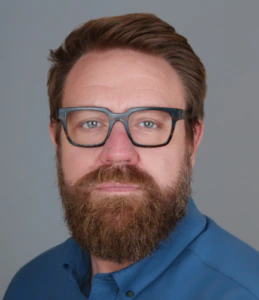
Tonya Nelson is the manager of the Petrie Museum of Egyptology, London, and Francoise McClafferty is a research and information officer at National Museums Liverpool
Dear Francoise
Museums can and should do more in this area. Large national museums have always played a role in cultural diplomacy as spaces where national identity is articulated and cross-cultural understanding is facilitated through international exhibitions.
However, museums rarely acknowledge this role or explicitly set out to engage in cultural diplomacy; it happens more as a bi-product. For me, the key issue is determining how museums can address pressing international issues, such as religious extremism or climate change, without becoming instruments of their government’s foreign policy agenda.
Best Tonya
Dear Tonya
Cultural diplomacy is an exchange of ideas and values– it is about connecting cultures through understanding common humanity and social values. There is a evidence that museums are proactively working towards cross-cultural understanding and addressing global issues such as social justice and protecting heritage.
Partnerships allow museums to come together and address issues collectively. The emerging dialogue between museum staff has a long-term impact on thinking, unlike international exhibitions that are only seen by a few. This international work is taking on momentum not only in large national museums, but also in regional museums.
Best Francoise
Dear Francoise
I see many museums using their collections to address contemporary issues and build cross-cultural understanding, but more from a cultural “literacy” than “diplomacy” perspective.
Cultural diplomacy is about using the exchange of ideas and values to build relationships that help resolve complex global issues.
Problems that were once addressed by a small group of foreign policy elites now can only be tackled through collective citizen action. I think museums can facilitate more in-depth dialogue as well as serve as sites where community advocacy and action is supported.
Best Tonya
Dear Tonya
Building relationships is crucial for sharing points of view and confronting challenging subjects. The best way forward may not be not through formal treaties or empty policy statements but through open dialogue with those who find themselves confronted with some of these complex issues in their everyday lives.
Many museums share similar challenges in dealing with difficult, politically loaded, and controversial subjects. I think in many museums in-depth action is not only supported but positively encouraged.
Best Francoise
Dear Francoise
Dialogue is key. What is exciting and a challenge, is developing creative ways of using the internet to develop new types of dialogue and to support ongoing dialogue that starts in museum spaces. There is now unprecedented opportunity to connect with communities abroad via social media.
This provides museums with platforms for challenging stereotypes that impede international relationship building. Museums wanting to focus cultural diplomacy need to think about how a digital strategy will support such activities.
Best Tonya
Dear Tonya
Social media and the web can provide excellent platforms for international dialogue. One example of collective international action is the Federation of International Human Rights Museums led by National Museums Liverpool.
This global network encourages partners to confront complex and controversial subjects collectively. Issues such as protecting heritage, repatriation, illicit trade, contemporary collecting and the social role of museums influence museum work on a local as well as a global scale. We can only understand our contribution to such issues by positioning ourselves internationally.
Best Francoise
Dear Francoise
Museums can and should do more in this area. Large national museums have always played a role in cultural diplomacy as spaces where national identity is articulated and cross-cultural understanding is facilitated through international exhibitions.
However, museums rarely acknowledge this role or explicitly set out to engage in cultural diplomacy; it happens more as a bi-product. For me, the key issue is determining how museums can address pressing international issues, such as religious extremism or climate change, without becoming instruments of their government’s foreign policy agenda.
Best Tonya
Dear Tonya
Cultural diplomacy is an exchange of ideas and values– it is about connecting cultures through understanding common humanity and social values. There is a evidence that museums are proactively working towards cross-cultural understanding and addressing global issues such as social justice and protecting heritage.
Partnerships allow museums to come together and address issues collectively. The emerging dialogue between museum staff has a long-term impact on thinking, unlike international exhibitions that are only seen by a few. This international work is taking on momentum not only in large national museums, but also in regional museums.
Best Francoise
Dear Francoise
I see many museums using their collections to address contemporary issues and build cross-cultural understanding, but more from a cultural “literacy” than “diplomacy” perspective.
Cultural diplomacy is about using the exchange of ideas and values to build relationships that help resolve complex global issues.
Problems that were once addressed by a small group of foreign policy elites now can only be tackled through collective citizen action. I think museums can facilitate more in-depth dialogue as well as serve as sites where community advocacy and action is supported.
Best Tonya
Dear Tonya
Building relationships is crucial for sharing points of view and confronting challenging subjects. The best way forward may not be not through formal treaties or empty policy statements but through open dialogue with those who find themselves confronted with some of these complex issues in their everyday lives.
Many museums share similar challenges in dealing with difficult, politically loaded, and controversial subjects. I think in many museums in-depth action is not only supported but positively encouraged.
Best Francoise
Dear Francoise
Dialogue is key. What is exciting and a challenge, is developing creative ways of using the internet to develop new types of dialogue and to support ongoing dialogue that starts in museum spaces. There is now unprecedented opportunity to connect with communities abroad via social media.
This provides museums with platforms for challenging stereotypes that impede international relationship building. Museums wanting to focus cultural diplomacy need to think about how a digital strategy will support such activities.
Best Tonya
Dear Tonya
Social media and the web can provide excellent platforms for international dialogue. One example of collective international action is the Federation of International Human Rights Museums led by National Museums Liverpool.
This global network encourages partners to confront complex and controversial subjects collectively. Issues such as protecting heritage, repatriation, illicit trade, contemporary collecting and the social role of museums influence museum work on a local as well as a global scale. We can only understand our contribution to such issues by positioning ourselves internationally.
Best Francoise