This autumn the opening of the John Moores Painting Prize at the Walker Art Gallery, the Turner Prize at Tate Britain and Artes Mundi 5 at National Museum Cardiff underline the continued high-profile of the prize in the British art calendar.
But how relevant are these prizes to artists today and, more importantly, the audiences they were set up to serve?
The Turner Prize was initiated by Tate’s Patrons of New Art to both celebrate and increase access to the latest developments in contemporary visual art. It has been incredibly successful in this aim, securing huge press interest and large audiences.
In recent years its reach has extended to other UK cities with successful showings in Liverpool, Gateshead, and, next year, Derry. But since the prize was established in 1984, and recast in its present form in 1991, the contemporary art world in the UK has changed beyond recognition.
Lottery-funded projects have delivered impressive new spaces for contemporary art across the UK. Tate Modern can be confident in securing over 5 million visitors a year. And London now rivals New York as the centre of the art world with vast new commercial galleries opening in the city. Across much of the UK, and certainly in London, art enthusiasts are spoilt for choice.
Although prizes – with their useful hook of competition and monetary reward – are successful in securing press attention, audiences and private sector support, they now need to work harder to justify our ongoing interest.
Now that contemporary art is part of our cultural mainstream, art prizes need to address more subtle and difficult questions than simply pitching artist against artist in the hope of securing a mention on the evening news bulletin.
In recent years the demise of prizes such as Becks Futures and EASTinternational has left a much-needed gap in platforms to promote and nurture the work of younger artists prior to them being exposed to the pressures of the commercial art world.
The Northern Art Prize is important because it encourages awareness that many contemporary artists choose to develop their work practice outside of London.
This much-needed decentralisation is also addressed in Artes Mundi, which, since 2004, has introduced audiences in Wales to international contemporary artists. Artes Mundi 5 has a strong emphasis on socially-engaged practice, showing the work of seven artists who all have compelling stories to tell.
Although it is important that a prize has helped bring these artists and their work to Wales, much of Artes Mundi’s focus is the learning and outreach programmes that can all too easily be overlooked by the prize format.
Artes Mundi reminds us that for art prizes to remain relevant, they have to address what is left behind after the celebratory champagne has lost its fizz. It’s that legacy word again...
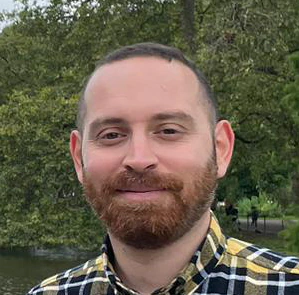
Nicholas Thornton is the head of modern and contemporary art at Amgueddfa Cymru – National Museum Wales
But how relevant are these prizes to artists today and, more importantly, the audiences they were set up to serve?
The Turner Prize was initiated by Tate’s Patrons of New Art to both celebrate and increase access to the latest developments in contemporary visual art. It has been incredibly successful in this aim, securing huge press interest and large audiences.
In recent years its reach has extended to other UK cities with successful showings in Liverpool, Gateshead, and, next year, Derry. But since the prize was established in 1984, and recast in its present form in 1991, the contemporary art world in the UK has changed beyond recognition.
Lottery-funded projects have delivered impressive new spaces for contemporary art across the UK. Tate Modern can be confident in securing over 5 million visitors a year. And London now rivals New York as the centre of the art world with vast new commercial galleries opening in the city. Across much of the UK, and certainly in London, art enthusiasts are spoilt for choice.
Although prizes – with their useful hook of competition and monetary reward – are successful in securing press attention, audiences and private sector support, they now need to work harder to justify our ongoing interest.
Now that contemporary art is part of our cultural mainstream, art prizes need to address more subtle and difficult questions than simply pitching artist against artist in the hope of securing a mention on the evening news bulletin.
In recent years the demise of prizes such as Becks Futures and EASTinternational has left a much-needed gap in platforms to promote and nurture the work of younger artists prior to them being exposed to the pressures of the commercial art world.
The Northern Art Prize is important because it encourages awareness that many contemporary artists choose to develop their work practice outside of London.
This much-needed decentralisation is also addressed in Artes Mundi, which, since 2004, has introduced audiences in Wales to international contemporary artists. Artes Mundi 5 has a strong emphasis on socially-engaged practice, showing the work of seven artists who all have compelling stories to tell.
Although it is important that a prize has helped bring these artists and their work to Wales, much of Artes Mundi’s focus is the learning and outreach programmes that can all too easily be overlooked by the prize format.
Artes Mundi reminds us that for art prizes to remain relevant, they have to address what is left behind after the celebratory champagne has lost its fizz. It’s that legacy word again...
Nicholas Thornton is the head of modern and contemporary art at Amgueddfa Cymru – National Museum Wales