This month sees the publication of the final report on Effective Collections, the Museums Association’s (MA) programme of work that focuses on collections.
It started with the modest ambition of helping museums make better use of their stored collections. What it has achieved is a significant cultural shift. Loans have become more frequent and audience focused, strategic collections reviews have become commonplace and disposal is no longer a dirty word.
More than 40 projects were funded, involving over 100 museums in schemes that got collections back into use, whether it was recycling old sewing machines to send to Africa or donating unwanted costumes to theatre groups.
One of the most unexpected, outcomes of the programme was the extent to which staff said it helped build their confidence. Most projects had an external coach and these expert “critical friends” gave the work validation and credibility – particularly important when difficult decisions about disposal needed to be taken.
Other tangible results include the Disposal Toolkit – which over a third of museums say they have made use of – and Find an Object, which has already found new homes for more than 350 objects.
Significantly, Effective Collections has had a knock-on effect on other organisations and funders. The museum strategies in Wales, Northern Ireland and Scotland all endorse a dynamic approach to collections management and a focus on use and audiences. The Art Fund and the Heritage Lottery Fund both now require much more convincing proposals for public impact in funding applications.
Even though the programme is over, there is plenty still to be done. The MA must continue to advocate for active and creative use of collections. Above all, the legacy of Effective Collections should be that all of us commit to sharing more and owning less.
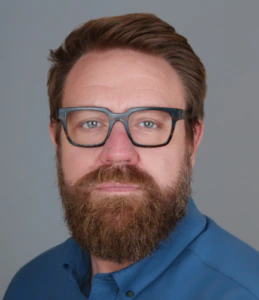
Sally MacDonald is the director of museums and public engagement at University College London and an MA board member
It started with the modest ambition of helping museums make better use of their stored collections. What it has achieved is a significant cultural shift. Loans have become more frequent and audience focused, strategic collections reviews have become commonplace and disposal is no longer a dirty word.
More than 40 projects were funded, involving over 100 museums in schemes that got collections back into use, whether it was recycling old sewing machines to send to Africa or donating unwanted costumes to theatre groups.
One of the most unexpected, outcomes of the programme was the extent to which staff said it helped build their confidence. Most projects had an external coach and these expert “critical friends” gave the work validation and credibility – particularly important when difficult decisions about disposal needed to be taken.
Other tangible results include the Disposal Toolkit – which over a third of museums say they have made use of – and Find an Object, which has already found new homes for more than 350 objects.
Significantly, Effective Collections has had a knock-on effect on other organisations and funders. The museum strategies in Wales, Northern Ireland and Scotland all endorse a dynamic approach to collections management and a focus on use and audiences. The Art Fund and the Heritage Lottery Fund both now require much more convincing proposals for public impact in funding applications.
Even though the programme is over, there is plenty still to be done. The MA must continue to advocate for active and creative use of collections. Above all, the legacy of Effective Collections should be that all of us commit to sharing more and owning less.
Sally MacDonald is the director of museums and public engagement at University College London and an MA board member