An exhibition exploring the history of Broadwater Farm is now on at Bruce Castle Museum in Tottenham, north London.
That it is on at all is a testament to the courage of the museum and the council in facing, passively at least, what they fear most: sensitive issues. No matter what the achievements before or since, talking about the “riot” or “uprising” at Broadwater Farm is highly sensitive from an official point of view.
On the one hand, a policeman was brutally killed, three men wrongly charged for murder were later freed after a massive public campaign, and last year the police reopened their investigation.
On the other hand, residents were cruelly treated by the police and stigmatised by the press. There are many old wounds on both sides.
However, while numerous documentaries and studies have been produced, there was a time when, if you walked just five minutes up the road from the estate to the local museum, or browsed the most recent local history books, Broadwater Farm was only represented by a charming black and white photograph of the original ye olde dairy that once stood nearby. This had to change.
It’s understandable that council staff may be fearful in an atmosphere when just two days before the exhibition opened at a community centre on the estate, the BBC’s Crimewatch aired a very slick episode calling for fresh leads into the killing of PC Blakelock 25 years before.
Walking through the smouldering ruins of Tottenham High Road in the aftermath of the August riots, I selfishly thought about my exhibition and the problems I’d had in trying to promote it through the council.
At that stage, I was still no closer to finding out whether they would back an “official” launch for the exhibition while it sat in limbo at the museum in an upper gallery.
The similarities between 1985 and 2011 are so clear that you wonder what would have happened if the museum had seriously engaged with its past. Could Tottenham have avoided the destruction of the present?
Instead, the High Road went up in flames and the Independent Police Complaints Commission had to reveal that Mark Duggan had not shot at the police, and a terrible lesson was learned: riots bring change. While the “riot” of 1985 may have wreaked terrible consequences for the community, it also brought radical change.
It is perhaps this single issue that makes Broadwater Farm’s history so uncomfortable from an official point of view and yet so urgent if we are to learn its lessons.
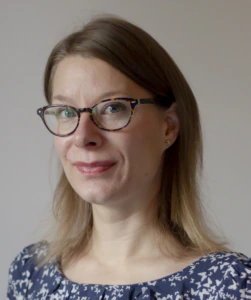
Odin Biddulph is the curator of Broadwater Farm: The Story of a Community 1967-2010 (until March 2012) at Bruce Castle Museum, Tottenham, London. He will be speaking at the Museums Association conference in Brighton.
Click here for more on the MA conference
www.broadwaterfarm.info
That it is on at all is a testament to the courage of the museum and the council in facing, passively at least, what they fear most: sensitive issues. No matter what the achievements before or since, talking about the “riot” or “uprising” at Broadwater Farm is highly sensitive from an official point of view.
On the one hand, a policeman was brutally killed, three men wrongly charged for murder were later freed after a massive public campaign, and last year the police reopened their investigation.
On the other hand, residents were cruelly treated by the police and stigmatised by the press. There are many old wounds on both sides.
However, while numerous documentaries and studies have been produced, there was a time when, if you walked just five minutes up the road from the estate to the local museum, or browsed the most recent local history books, Broadwater Farm was only represented by a charming black and white photograph of the original ye olde dairy that once stood nearby. This had to change.
It’s understandable that council staff may be fearful in an atmosphere when just two days before the exhibition opened at a community centre on the estate, the BBC’s Crimewatch aired a very slick episode calling for fresh leads into the killing of PC Blakelock 25 years before.
Walking through the smouldering ruins of Tottenham High Road in the aftermath of the August riots, I selfishly thought about my exhibition and the problems I’d had in trying to promote it through the council.
At that stage, I was still no closer to finding out whether they would back an “official” launch for the exhibition while it sat in limbo at the museum in an upper gallery.
The similarities between 1985 and 2011 are so clear that you wonder what would have happened if the museum had seriously engaged with its past. Could Tottenham have avoided the destruction of the present?
Instead, the High Road went up in flames and the Independent Police Complaints Commission had to reveal that Mark Duggan had not shot at the police, and a terrible lesson was learned: riots bring change. While the “riot” of 1985 may have wreaked terrible consequences for the community, it also brought radical change.
It is perhaps this single issue that makes Broadwater Farm’s history so uncomfortable from an official point of view and yet so urgent if we are to learn its lessons.
Odin Biddulph is the curator of Broadwater Farm: The Story of a Community 1967-2010 (until March 2012) at Bruce Castle Museum, Tottenham, London. He will be speaking at the Museums Association conference in Brighton.
Click here for more on the MA conference
www.broadwaterfarm.info