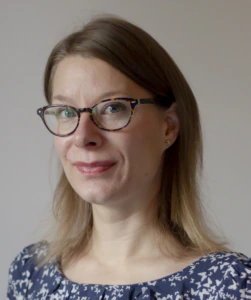
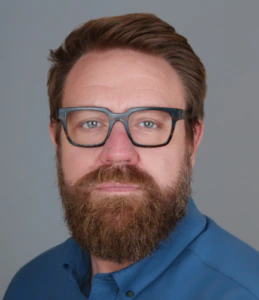
Nick Winterbotham, chief executive officer, Thinktank
“The incoming government, seeking any opportunity to support genuine culture, will seize on the 350th birthday of the Royal Society and the first birthday of the Association for Science & Discovery Centres (ASDC). Thus, the new cabinet will allocate an annual £10m challenge fund for ASDC members to be distributed as development collateral to ensure the renewal of our science centres and museums.
Otherwise our life-empowering science organisations are doomed to become history museums and the opportunity to preserve the nation’s pre-eminence in science and technology will be lost forever. And France, Germany, Japan, China, India and Portugal will steal a scientific march through their far-sighted commitment to science museum development.”
Mark Taylor, director, Museums Association
“Of course, we want a continued commitment to long-term funding for all levels of museums, which is essential if we are to maintain the real progress we have made in the last few years. But if we are to have sustainable improvement then we need museums to have a higher profile.
The new arts minister will no doubt say that this is their dream job but I want them to mean it and I want other politicians and decision makers, locally and nationally, to acknowledge and be proud of their love of museums and the role they play across society. What we want is respect, not sympathy.”
Lewis Biggs, chief executive, Liverpool Biennial
“An understanding of the distinction between creative capital and the creative economy. Politicians avoid responsibility for democracy or encouraging citizenship. They opt instead for trying to manage UK plc.
Meanwhile, we’re fast disinvesting from our creative capital, which is what the rest of the world wants. The universities (research) and the British Council (promotion of creative capital) are being financially micro-managed. The British Council is now a machine for selling UK products. Creative capital isn’t a product, but a way of thinking, a depth of understanding. Like citizenship, there’s no bottom line: it can’t be reduced to financial management.”
Tim Desmond chief executive, Egalitarian Trust
“I want strong leadership and an investment in the product and process, as opposed to bureaucracy. The Museums, Libraries and Archives Council and Arts Council England will need to be amalgamated through a new manifesto for culture, which is more integrated into the aspirations of our society.
Renaissance will be replaced by what I term as a ‘Republic of Museums’, where museums will share resources and management structures, and activities such as education will be standardised.
The new minister will champion excellence and pay for it by a combination of public and private subsidy and a revision of museum charges, which could be done with a means-tested culture card."
“The incoming government, seeking any opportunity to support genuine culture, will seize on the 350th birthday of the Royal Society and the first birthday of the Association for Science & Discovery Centres (ASDC). Thus, the new cabinet will allocate an annual £10m challenge fund for ASDC members to be distributed as development collateral to ensure the renewal of our science centres and museums.
Otherwise our life-empowering science organisations are doomed to become history museums and the opportunity to preserve the nation’s pre-eminence in science and technology will be lost forever. And France, Germany, Japan, China, India and Portugal will steal a scientific march through their far-sighted commitment to science museum development.”
Mark Taylor, director, Museums Association
“Of course, we want a continued commitment to long-term funding for all levels of museums, which is essential if we are to maintain the real progress we have made in the last few years. But if we are to have sustainable improvement then we need museums to have a higher profile.
The new arts minister will no doubt say that this is their dream job but I want them to mean it and I want other politicians and decision makers, locally and nationally, to acknowledge and be proud of their love of museums and the role they play across society. What we want is respect, not sympathy.”
Lewis Biggs, chief executive, Liverpool Biennial
“An understanding of the distinction between creative capital and the creative economy. Politicians avoid responsibility for democracy or encouraging citizenship. They opt instead for trying to manage UK plc.
Meanwhile, we’re fast disinvesting from our creative capital, which is what the rest of the world wants. The universities (research) and the British Council (promotion of creative capital) are being financially micro-managed. The British Council is now a machine for selling UK products. Creative capital isn’t a product, but a way of thinking, a depth of understanding. Like citizenship, there’s no bottom line: it can’t be reduced to financial management.”
Tim Desmond chief executive, Egalitarian Trust
“I want strong leadership and an investment in the product and process, as opposed to bureaucracy. The Museums, Libraries and Archives Council and Arts Council England will need to be amalgamated through a new manifesto for culture, which is more integrated into the aspirations of our society.
Renaissance will be replaced by what I term as a ‘Republic of Museums’, where museums will share resources and management structures, and activities such as education will be standardised.
The new minister will champion excellence and pay for it by a combination of public and private subsidy and a revision of museum charges, which could be done with a means-tested culture card."