The Anglo-American historian Walter Laqueur has proposed cultural diplomacy as a "soft tool" for promoting positive international relations, in contrast with political pressure and military action. In Britain, the thinktank Demos has argued that cultural diplomacy is "a central component of international relations".
They both define cultural diplomacy as the exchange of "cultural offerings", in particular of knowledge and skills relating to the arts, heritage and science, between the west and the developing nations, in the promotion of world peace and economic growth.
Museums have been talking the cultural diplomacy mantra for some time now. The department for culture's South African curator scheme, introduced in 2006, the Africa Programme staged between 2003-07 at a cost of £1.5m, and the £3m world collections programme launched in 2008, are held up as key examples of cultural diplomacy. But are they?
Though well meaning, these initiatives are no more than marketing ploys aimed at repackaging old-fashioned capacity-building promoted under the supposedly benevolent aims of overseas development aid. They are also often an attempt to offset demands for the repatriation of pre- and post-colonial collections held in UK institutions.
Cultural diplomacy should demonstrate equitable, mutual, respectful and sustainable exchanges. But it rarely lives up to this ideal. Take the Department for Culture, Media and Sport's South African curators exchange. It is a good idea that has not been reflected in its execution, which is neither equitable nor mutual.
It places South African curators in British institutions to gain experience, but lacks a corresponding placement of UK curators in South African museums. Similar criticisms can be made of the world collections programme.
Doubtless it wowed a number of museum professionals from well-off countries, while raising skills in a few less privileged countries. It has also enabled a few of the source countries to enjoy, temporarily, the return of their cultural heritage objects.
But I can't help feeling how tough it must be for them to accept such loan arrangements. Nor can cultural diplomacy be expected to work in isolation from international policy as a whole.
It is ironic that the rebuilding of Iraq's museums and collections is mentioned as part of the world collections programme when the UK was jointly responsible with America for the destruction of these places in the first place.
Similarly the diplomacy engendered during the collaborative creation for the forthcoming Shah 'Abbas exhibition at the British Museum did not prevent the Iranian government forcing the closure of the British Council's offices in Tehran.
My recent research into skills-sharing and exchanges between the UK, Africa and the Caribbean provides some lessons. Many people and organisations in the UK are involved in capacity-building initiatives in developing countries and yet there is no UK-wide strategy for assessing need among third nations, or an independent evaluation of delivery of "development aid" by the heritage sector, which results in duplication and inefficient use of scarce resources.
I was moved by the commitment among some UK respondents keen to promote equitable partnerships, and at the same time was not surprised by the lack of clarity among others as to what could be learned from Africa and the Caribbean other than viewing them as a source for research.
Curatorial training was by far the most popular method used in the transfer of knowledge and skills to third nations. However, given the low level of cultural diversity expertise among many of the UK respondents, they were unable to adapt their western expertise to suit the third nations' sensitivities.
Developing nations are appreciative of the offerings but desperately want to shift from dependency on the west to an independent and leadership status. Funding is the biggest concern. There is a tendency here to shoehorn the developing nations' needs into outcomes to meet the objectives of the funders or the government.
Direct contact between funders and recipients, education of the philanthropists and allowing third nations to take a lead in the management of projects may help to overcome a perceived paternalism underpinning philanthropy or aid.
Should the heritage sector continue with its current diplomacy agenda? No. It should focus on capacity-building based on mutual partnerships with third nations. Black and brown Britons must play a central role in the process and even replace the usual suspects: the white cultural diversity intermediaries and focus group gurus.
Britain's ethnic minorities are more than capable of speaking for themselves; and with thousands of their relatives and families living abroad, they are our real cultural ambassadors.
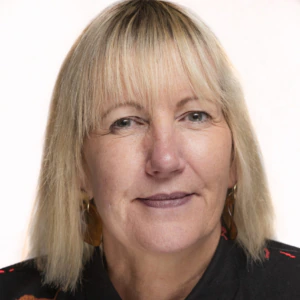
Clara Arokiasamy is the director of Kalai, Clara Arokiasamy Associates, an international consultancy in organisation development
They both define cultural diplomacy as the exchange of "cultural offerings", in particular of knowledge and skills relating to the arts, heritage and science, between the west and the developing nations, in the promotion of world peace and economic growth.
Museums have been talking the cultural diplomacy mantra for some time now. The department for culture's South African curator scheme, introduced in 2006, the Africa Programme staged between 2003-07 at a cost of £1.5m, and the £3m world collections programme launched in 2008, are held up as key examples of cultural diplomacy. But are they?
Though well meaning, these initiatives are no more than marketing ploys aimed at repackaging old-fashioned capacity-building promoted under the supposedly benevolent aims of overseas development aid. They are also often an attempt to offset demands for the repatriation of pre- and post-colonial collections held in UK institutions.
Cultural diplomacy should demonstrate equitable, mutual, respectful and sustainable exchanges. But it rarely lives up to this ideal. Take the Department for Culture, Media and Sport's South African curators exchange. It is a good idea that has not been reflected in its execution, which is neither equitable nor mutual.
It places South African curators in British institutions to gain experience, but lacks a corresponding placement of UK curators in South African museums. Similar criticisms can be made of the world collections programme.
Doubtless it wowed a number of museum professionals from well-off countries, while raising skills in a few less privileged countries. It has also enabled a few of the source countries to enjoy, temporarily, the return of their cultural heritage objects.
But I can't help feeling how tough it must be for them to accept such loan arrangements. Nor can cultural diplomacy be expected to work in isolation from international policy as a whole.
It is ironic that the rebuilding of Iraq's museums and collections is mentioned as part of the world collections programme when the UK was jointly responsible with America for the destruction of these places in the first place.
Similarly the diplomacy engendered during the collaborative creation for the forthcoming Shah 'Abbas exhibition at the British Museum did not prevent the Iranian government forcing the closure of the British Council's offices in Tehran.
My recent research into skills-sharing and exchanges between the UK, Africa and the Caribbean provides some lessons. Many people and organisations in the UK are involved in capacity-building initiatives in developing countries and yet there is no UK-wide strategy for assessing need among third nations, or an independent evaluation of delivery of "development aid" by the heritage sector, which results in duplication and inefficient use of scarce resources.
I was moved by the commitment among some UK respondents keen to promote equitable partnerships, and at the same time was not surprised by the lack of clarity among others as to what could be learned from Africa and the Caribbean other than viewing them as a source for research.
Curatorial training was by far the most popular method used in the transfer of knowledge and skills to third nations. However, given the low level of cultural diversity expertise among many of the UK respondents, they were unable to adapt their western expertise to suit the third nations' sensitivities.
Developing nations are appreciative of the offerings but desperately want to shift from dependency on the west to an independent and leadership status. Funding is the biggest concern. There is a tendency here to shoehorn the developing nations' needs into outcomes to meet the objectives of the funders or the government.
Direct contact between funders and recipients, education of the philanthropists and allowing third nations to take a lead in the management of projects may help to overcome a perceived paternalism underpinning philanthropy or aid.
Should the heritage sector continue with its current diplomacy agenda? No. It should focus on capacity-building based on mutual partnerships with third nations. Black and brown Britons must play a central role in the process and even replace the usual suspects: the white cultural diversity intermediaries and focus group gurus.
Britain's ethnic minorities are more than capable of speaking for themselves; and with thousands of their relatives and families living abroad, they are our real cultural ambassadors.
Clara Arokiasamy is the director of Kalai, Clara Arokiasamy Associates, an international consultancy in organisation development