In May, Museums Journal featured an article about Iraq's cultural heritage five years after the US invasion. I was surprised at the cover image - a 2003 photo of me in uniform, standing in the Assyrian gallery at the Iraq National Museum with armed guards in the background. The photo was accompanied by the sensational caption, "Trigger Happy?"
As an art museum curator mobilised by the US Army Reserve to help restore the museum and recover looted objects, the implication that I was shooting up the museum was a bit distressing. The article does, however, address the very real problem of the general lack of cultural heritage awareness within the military, which has led to unnecessary damage and loss of cultural property in Iraq.
When I returned home in 2004, I, and a group of colleagues, wrote the Civil Affairs Guide to Arts, Monuments, and Archives, published by the Department of the Army. This is a pocket guide for soldiers on dealing with cultural property in a war zone.
In 2006, a number of cultural heritage organisations agreed to create a US Committee of the Blue Shield (USCBS). The USCBS is now a chapter of the International Committee of the Blue Shield, which supports the 1954 Hague Convention on the Protection of Cultural Property in the Event of Armed Conflict.
USCBS is one of 17 national Blue Shield committees and the number is growing. USCBS is committed to US ratification of the 1954 Hague Conventions, to provide an emergency response for cultural heritage at risk from armed conflict in partnership with the emerging Association of National Committees of the Blue Shield, and to provide cultural property training for deploying US Army Civil Affairs units.
With our partner organisations, the Archaeological Institute of America and the American Institute for Conservation of Historic and Artistic Works, USCBS travels to military installations nationwide to provide training on the recognition, conservation and emergency salvage of cultural property.
We stress the importance of protecting cultural heritage during military operations, not only because it is required by international law, but also because it is a critical part of earning mutual respect in those countries where military operations take place.
Trainees come away with increased awareness and the positive message, as posted above the doorway of the National Museum in Kabul, "A nation stays alive when its culture stays alive".
I challenge cultural heritage professionals in other nations to provide similar training for their own armed forces. It could make a difference and even prevent the next tragic loss to our shared cultural heritage.
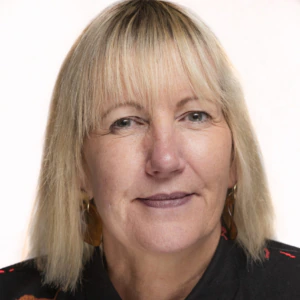
Corine Wegener is an associate curator in the department of architecture, design, decorative arts, craft and sculpture at the Minneapolis Institute of Arts and president of the US Committee of the Blue Shield.
As an art museum curator mobilised by the US Army Reserve to help restore the museum and recover looted objects, the implication that I was shooting up the museum was a bit distressing. The article does, however, address the very real problem of the general lack of cultural heritage awareness within the military, which has led to unnecessary damage and loss of cultural property in Iraq.
When I returned home in 2004, I, and a group of colleagues, wrote the Civil Affairs Guide to Arts, Monuments, and Archives, published by the Department of the Army. This is a pocket guide for soldiers on dealing with cultural property in a war zone.
In 2006, a number of cultural heritage organisations agreed to create a US Committee of the Blue Shield (USCBS). The USCBS is now a chapter of the International Committee of the Blue Shield, which supports the 1954 Hague Convention on the Protection of Cultural Property in the Event of Armed Conflict.
USCBS is one of 17 national Blue Shield committees and the number is growing. USCBS is committed to US ratification of the 1954 Hague Conventions, to provide an emergency response for cultural heritage at risk from armed conflict in partnership with the emerging Association of National Committees of the Blue Shield, and to provide cultural property training for deploying US Army Civil Affairs units.
With our partner organisations, the Archaeological Institute of America and the American Institute for Conservation of Historic and Artistic Works, USCBS travels to military installations nationwide to provide training on the recognition, conservation and emergency salvage of cultural property.
We stress the importance of protecting cultural heritage during military operations, not only because it is required by international law, but also because it is a critical part of earning mutual respect in those countries where military operations take place.
Trainees come away with increased awareness and the positive message, as posted above the doorway of the National Museum in Kabul, "A nation stays alive when its culture stays alive".
I challenge cultural heritage professionals in other nations to provide similar training for their own armed forces. It could make a difference and even prevent the next tragic loss to our shared cultural heritage.
Corine Wegener is an associate curator in the department of architecture, design, decorative arts, craft and sculpture at the Minneapolis Institute of Arts and president of the US Committee of the Blue Shield.
Links
Lost treasures, Museums Journal May 2008, p22
US Committee of the Blue Shield
Lost treasures, Museums Journal May 2008, p22
US Committee of the Blue Shield