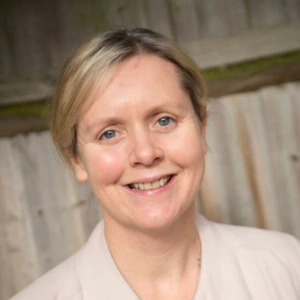
Peter Hewitt is the chairman of trustees at the March & District Museum Society
Yes: Our museum was among the first to register and has subsequently negotiated Phase 2 and is now awaiting Phase 3 (Accreditation) with interest. It would be wrong to deny that the work involved in this process is considerable and at times irksome for a museum that is managed entirely by volunteers but we are convinced of its value.
The first great merit in registering is that the process requires a rigorous analysis of policies and procedures. It is in this context that we have had to write and revise our acquisitions and disposal policy, to produce a proper business plan and to put in place a range of strategies on everything from managing volunteers to health and safety.
While such policies can be produced without any link to registration, the need to have them at a given time in our development has focused our thinking and, I believe, done much to make us a more efficient organisation.
Secondly, registration does not differentiate between types of museums. It seems entirely appropriate that small, volunteer museums should aim to work as professionally as the big national bodies and those with paid staff. If we wish to be a creditable organisation then we have to operate to the same professional standards.
Registration also enables museums to access the various grant-awarding bodies, for which the process is a base requirement, and without this aid many would soon cease to exist.
Registration keeps us on our toes, it gives a yardstick by which we can be judged and it provides the impetus to give our community a professional service within a volunteer structure.
David Lindsey is the mill manager at Buckinghamshire's Ford End Watermill. He recently took the mill out of registration
No: We have benefited by not being registered. We are free to achieve the same standards in our own way, without having to account to outside bodies apparently unable to comprehend what life is like in a totally volunteer-run small enterprise.
Our human capital consists of three core volunteers (administrative, restoration, repairs) who do most of the work helped by a further five undertaking specific jobs (small collection, school parties) and another 15 who act as wardens for public openings. We engage the services of a technical adviser on an expenses-only basis.
All our administrative effort is now directly for the benefit of the mill. We no longer receive numerous publications with supporting bulletins written in language we could scarcely understand. We may have reduced the opportunities for obtaining funding, but as a registered charity, avenues are still open.
More sinister was the realisation that the Museums, Libraries and Archives Council is really a government body applying political policies policed by the various regional councils.
In the past we welcomed visits from helpful and understanding Area Museums Council staff; we learned much from them. But in recent years everything comes from an office desk. That was not for us - we now answer to our consciences and our visitors.
Yes: Our museum was among the first to register and has subsequently negotiated Phase 2 and is now awaiting Phase 3 (Accreditation) with interest. It would be wrong to deny that the work involved in this process is considerable and at times irksome for a museum that is managed entirely by volunteers but we are convinced of its value.
The first great merit in registering is that the process requires a rigorous analysis of policies and procedures. It is in this context that we have had to write and revise our acquisitions and disposal policy, to produce a proper business plan and to put in place a range of strategies on everything from managing volunteers to health and safety.
While such policies can be produced without any link to registration, the need to have them at a given time in our development has focused our thinking and, I believe, done much to make us a more efficient organisation.
Secondly, registration does not differentiate between types of museums. It seems entirely appropriate that small, volunteer museums should aim to work as professionally as the big national bodies and those with paid staff. If we wish to be a creditable organisation then we have to operate to the same professional standards.
Registration also enables museums to access the various grant-awarding bodies, for which the process is a base requirement, and without this aid many would soon cease to exist.
Registration keeps us on our toes, it gives a yardstick by which we can be judged and it provides the impetus to give our community a professional service within a volunteer structure.
David Lindsey is the mill manager at Buckinghamshire's Ford End Watermill. He recently took the mill out of registration
No: We have benefited by not being registered. We are free to achieve the same standards in our own way, without having to account to outside bodies apparently unable to comprehend what life is like in a totally volunteer-run small enterprise.
Our human capital consists of three core volunteers (administrative, restoration, repairs) who do most of the work helped by a further five undertaking specific jobs (small collection, school parties) and another 15 who act as wardens for public openings. We engage the services of a technical adviser on an expenses-only basis.
All our administrative effort is now directly for the benefit of the mill. We no longer receive numerous publications with supporting bulletins written in language we could scarcely understand. We may have reduced the opportunities for obtaining funding, but as a registered charity, avenues are still open.
More sinister was the realisation that the Museums, Libraries and Archives Council is really a government body applying political policies policed by the various regional councils.
In the past we welcomed visits from helpful and understanding Area Museums Council staff; we learned much from them. But in recent years everything comes from an office desk. That was not for us - we now answer to our consciences and our visitors.