Deaccession was not a word with which I was that familiar before the Watts Gallery's trustees decided to deaccession two paintings from its non-core collection to ensure the long-term care of its core collection. It is now a word that is familiar to trustees, staff, volunteers and Friends alike.
The decision to sell Jasmine by Albert Moore and The Triumph of Love by Edward Burne-Jones was a hard one. The gallery is an independent charity that is not supported by any regional or national authority.
In 2004, the roof was leaking and the estimated cost of the conservation backlog amounted to millions of pounds. This forced trustees to address fundamental issues such as the core purpose of the gallery and how to ensure that we did not find ourselves in this situation again.
The gallery sought help from the Heritage Lottery Fund to restore the building and, to a small extent, the collection. The trustees also wrestled with the problem of the lack of financial reserves to secure the long-term care of the collection.
During this period, the trustees developed a collections management policy that concluded that the gallery was about Watts and secondarily about Mary Seton Watts. With this in mind, it clearly needed to be investing more in its collection.
The trustees explored every avenue for raising money, including selling a property on the estate, but this would have cut off a source of income. They considered selling land, but the gallery is in a conservation area, and the land has no value. As a last resort, the trustees turned to the collection of non-Watts works that did not fulfil the vision of the gallery's founders, and were not on show.
We then embarked on a long dialogue with the Museums Association (MA) and other key players. The MA undertook widespread consultation on changing its code on disposal.
I would like to address some of the concerns that have been raised. The first is the "selling the family silver" argument. The point at which the family silver is in jeopardy is when you decide what is "family" or of core value to the institution.
It is also vital that the works can legally be deaccessioned. The two works were not intended for the Watts Gallery; the executor of the estate decided they should be given to the gallery in the 1950s, 50 years after Watts' death.
The next concern is about "opening the floodgates". Anyone who follows the clear criteria of the MA's disposals toolkit to the letter will need to give a considerable amount of time to the process. If properly followed, it should weed out the unethical sales well before the damage is done to the public's confidence in the stewardship of collections.
It will only be through communication with our different publics that we can ensure that the difficult decisions we face daily in trying to keep our museums open, innovative and meeting necessary standards, are the right ones and deliver public value.
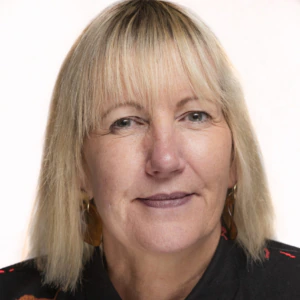
Perdita Hunt is the director of the Watts Gallery
The decision to sell Jasmine by Albert Moore and The Triumph of Love by Edward Burne-Jones was a hard one. The gallery is an independent charity that is not supported by any regional or national authority.
In 2004, the roof was leaking and the estimated cost of the conservation backlog amounted to millions of pounds. This forced trustees to address fundamental issues such as the core purpose of the gallery and how to ensure that we did not find ourselves in this situation again.
The gallery sought help from the Heritage Lottery Fund to restore the building and, to a small extent, the collection. The trustees also wrestled with the problem of the lack of financial reserves to secure the long-term care of the collection.
During this period, the trustees developed a collections management policy that concluded that the gallery was about Watts and secondarily about Mary Seton Watts. With this in mind, it clearly needed to be investing more in its collection.
The trustees explored every avenue for raising money, including selling a property on the estate, but this would have cut off a source of income. They considered selling land, but the gallery is in a conservation area, and the land has no value. As a last resort, the trustees turned to the collection of non-Watts works that did not fulfil the vision of the gallery's founders, and were not on show.
We then embarked on a long dialogue with the Museums Association (MA) and other key players. The MA undertook widespread consultation on changing its code on disposal.
I would like to address some of the concerns that have been raised. The first is the "selling the family silver" argument. The point at which the family silver is in jeopardy is when you decide what is "family" or of core value to the institution.
It is also vital that the works can legally be deaccessioned. The two works were not intended for the Watts Gallery; the executor of the estate decided they should be given to the gallery in the 1950s, 50 years after Watts' death.
The next concern is about "opening the floodgates". Anyone who follows the clear criteria of the MA's disposals toolkit to the letter will need to give a considerable amount of time to the process. If properly followed, it should weed out the unethical sales well before the damage is done to the public's confidence in the stewardship of collections.
It will only be through communication with our different publics that we can ensure that the difficult decisions we face daily in trying to keep our museums open, innovative and meeting necessary standards, are the right ones and deliver public value.
Perdita Hunt is the director of the Watts Gallery