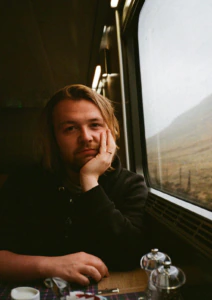
Steve Garland is the head of museums at Bolton Museums, Art Gallery and Aquarium
Yes: 'As part of creating a world-class bid we will be looking seriously at how to involve the arts and culture in shaping the identity of the London bid for 2012,' said a government statement. The museum and gallery sector must support the Olympic bid and see this as an opportunity and a challenge.
If the bid is successful it will offer enormous opportunities for museums and galleries. Not only will millions of visitors, athletes, support teams and the media descend on London for several weeks, but there will be a significant lead-in period of sporting and cultural activities.
We can learn from the positive benefits and the missed opportunities of the Commonwealth Games in the North West in 2002. Under International Olympic Committee guidelines the games will be preceded by a three-year cultural and educational programme, the Cultural Olympiad, to 'build community support and involvement', which continues throughout the Olympic year.
Museums must capitalise on the partnerships and networks we have been building to make sure that we have a major role in this process.
The cultural offering is very important, with visitors to the games hungry for other activities when not watching sport; they should have the time as competition for tickets to Olympic events is huge.
If museums fail to back the bid they risk being portrayed as negative, elitist and out of touch. We must live up to the prospect of world attention focusing on our sport, culture and heritage.
Julian Spalding is the former director of Glasgow Museums and the author of The Poetic Museum, Reviving Historic Collections
No: It doesn't matter - London's Olympic bid for 2008 is going ahead whether we like it or not. And if it is successful it will be a further drain on our resources.
Where museums are concerned it is just as I feared, and said. There isn't enough money to complete the hubs. So what's to be done? Spread the money equally, and retrospectively, among all the hubs and accept that the idea has been realised as well as it could - or go on building step-by-step, hoping for the full funding in future? The answer depends on what you see in your political crystal ball.
If what I see is right - and we face a long dip in public spending - the first solution is by far the best. The latter will lead to a horribly divided profession: nationals against hubs, hubs against hubs and all those left out in the cold against the lot - when they have the strength left to react.
The hubs are divisive enough as they extend the class division between national and local museums, they don't eradicate it, which is the perfectly possible dream I have long propounded. If the tide is turning on public funding, then museums will be forced to look for sponsorship elsewhere.
And that will be even more divisive, because, as every fundraiser knows, money attracts money - and the well-endowed will bloom, while the poor will go hungrier still.
Yes: 'As part of creating a world-class bid we will be looking seriously at how to involve the arts and culture in shaping the identity of the London bid for 2012,' said a government statement. The museum and gallery sector must support the Olympic bid and see this as an opportunity and a challenge.
If the bid is successful it will offer enormous opportunities for museums and galleries. Not only will millions of visitors, athletes, support teams and the media descend on London for several weeks, but there will be a significant lead-in period of sporting and cultural activities.
We can learn from the positive benefits and the missed opportunities of the Commonwealth Games in the North West in 2002. Under International Olympic Committee guidelines the games will be preceded by a three-year cultural and educational programme, the Cultural Olympiad, to 'build community support and involvement', which continues throughout the Olympic year.
Museums must capitalise on the partnerships and networks we have been building to make sure that we have a major role in this process.
The cultural offering is very important, with visitors to the games hungry for other activities when not watching sport; they should have the time as competition for tickets to Olympic events is huge.
If museums fail to back the bid they risk being portrayed as negative, elitist and out of touch. We must live up to the prospect of world attention focusing on our sport, culture and heritage.
Julian Spalding is the former director of Glasgow Museums and the author of The Poetic Museum, Reviving Historic Collections
No: It doesn't matter - London's Olympic bid for 2008 is going ahead whether we like it or not. And if it is successful it will be a further drain on our resources.
Where museums are concerned it is just as I feared, and said. There isn't enough money to complete the hubs. So what's to be done? Spread the money equally, and retrospectively, among all the hubs and accept that the idea has been realised as well as it could - or go on building step-by-step, hoping for the full funding in future? The answer depends on what you see in your political crystal ball.
If what I see is right - and we face a long dip in public spending - the first solution is by far the best. The latter will lead to a horribly divided profession: nationals against hubs, hubs against hubs and all those left out in the cold against the lot - when they have the strength left to react.
The hubs are divisive enough as they extend the class division between national and local museums, they don't eradicate it, which is the perfectly possible dream I have long propounded. If the tide is turning on public funding, then museums will be forced to look for sponsorship elsewhere.
And that will be even more divisive, because, as every fundraiser knows, money attracts money - and the well-endowed will bloom, while the poor will go hungrier still.