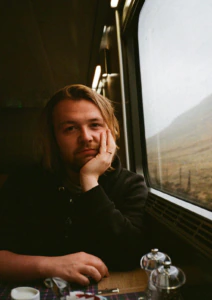
John Millard is the keeper of the World Museum Liverpool
No: It's odd, if you think about it, that you're surrounded by thousands of dead animals in natural history mu-seums. The museum is certainly the place to preserve collections for research, but should its displays celebrate life through dead things? Many of them are, after all, the product of historic slaughter wrought by men with moustaches and pith helmets.
Those mounted heads of wildebeest are certainly not the obvious choice to convey modern attitudes to ecology, precious global diversity and the wonder of life.
Stuffed animals, or more properly mounted specimens, can be amazing, but there's a danger that they deter us from using other means of communication.
It's great that children can get really close to a magnificent 'stuffed' eland in the World Museum Liverpool and feel awestruck at its presence and the texture of its fur, nose and horns. But it's important that my colleagues can also look after and show live
animals.
In spring this year a new Aquarium and Bug House opened with live exhibits and demonstration areas, building on a tradition that, amazingly, dates back to the museum's first aquarium in 1857. And it's important that visitors can use handling collections, computers and microscopes, can watch films, and examine a drawer full of specimens with trained staff in a new Clore Natural History Centre.
It's an expanded version of an experiment that has been going in the museum for 20 years, and it represents how mu-seums are trying to set those important collections of mounted specimens in a wider context for a modern audience.
Mike Taylor is the head of arts and heritage at Perth and Kinross Council
Yes: Secret weapons are the ones that potentially have the most impact. The presence of stuffed animals as part of our natural history collections is certainly no secret. But in terms of impact, they punch above their weight.
Coincidentally, the day before being asked to contribute this piece, I watched groups of toddlers absolutely enthralled by a range of specimens on open display in the Royal Museum of Scotland.
The excitement and interest of these youngsters, prompted by their proximity to 'real' deer, cattle and mice was there for anyone to see.
Such specimens promote questions that are very familiar with those of us who have worked with natural history collections - 'Is it real?' 'Is it alive?'- which present parents, carers and museum staff with opportunities to engage with children and talk about the natural world.
Of course, there are critics who regard the presence of this particular type of specimen in a modern museum as at best anachronistic and at worst an affront to decency.
Such views often are rooted in exposure to the worst sort of specimen - poor taxidermy, old, dusty and faded - and I would join them in banning these travesties from public display. Chosen, presented and interpreted with care and attention, stuffed animals can outgun the best Egyptian mummy in the battle for attention.
No: It's odd, if you think about it, that you're surrounded by thousands of dead animals in natural history mu-seums. The museum is certainly the place to preserve collections for research, but should its displays celebrate life through dead things? Many of them are, after all, the product of historic slaughter wrought by men with moustaches and pith helmets.
Those mounted heads of wildebeest are certainly not the obvious choice to convey modern attitudes to ecology, precious global diversity and the wonder of life.
Stuffed animals, or more properly mounted specimens, can be amazing, but there's a danger that they deter us from using other means of communication.
It's great that children can get really close to a magnificent 'stuffed' eland in the World Museum Liverpool and feel awestruck at its presence and the texture of its fur, nose and horns. But it's important that my colleagues can also look after and show live
animals.
In spring this year a new Aquarium and Bug House opened with live exhibits and demonstration areas, building on a tradition that, amazingly, dates back to the museum's first aquarium in 1857. And it's important that visitors can use handling collections, computers and microscopes, can watch films, and examine a drawer full of specimens with trained staff in a new Clore Natural History Centre.
It's an expanded version of an experiment that has been going in the museum for 20 years, and it represents how mu-seums are trying to set those important collections of mounted specimens in a wider context for a modern audience.
Mike Taylor is the head of arts and heritage at Perth and Kinross Council
Yes: Secret weapons are the ones that potentially have the most impact. The presence of stuffed animals as part of our natural history collections is certainly no secret. But in terms of impact, they punch above their weight.
Coincidentally, the day before being asked to contribute this piece, I watched groups of toddlers absolutely enthralled by a range of specimens on open display in the Royal Museum of Scotland.
The excitement and interest of these youngsters, prompted by their proximity to 'real' deer, cattle and mice was there for anyone to see.
Such specimens promote questions that are very familiar with those of us who have worked with natural history collections - 'Is it real?' 'Is it alive?'- which present parents, carers and museum staff with opportunities to engage with children and talk about the natural world.
Of course, there are critics who regard the presence of this particular type of specimen in a modern museum as at best anachronistic and at worst an affront to decency.
Such views often are rooted in exposure to the worst sort of specimen - poor taxidermy, old, dusty and faded - and I would join them in banning these travesties from public display. Chosen, presented and interpreted with care and attention, stuffed animals can outgun the best Egyptian mummy in the battle for attention.