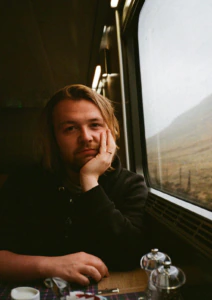
Alan MacGregor is the marketing director of the Lowry in Salford
Yes: In 2002, the Lowry was not an organisation that the Arts Council England regularly funded and it had the difficult challenge of balancing artistic ambition with fiscal reality.
The decision was taken to introduce a proactive donations policy to maximise income from gallery visitors.
Signage was placed at the entrance with suggested levels of donations and staff were briefed on how to ask visitors for financial support while reinforcing the message that the galleries were still free to enter.
While previous income from the passive use of collection boxes was minimal, the new policy has seen average donations rocket to well over £1 per person - a critically important six-figure annual income. (Curiously, income from donation boxes within the galleries has also subsequently increased.)
Visitor response to the policy is carefully monitored and in the past three years we have received only a handful of complaint letters. Proactive research also supported the policy with just 5 per cent of visitors disliking it, 5 per cent very supportive and the remaining 90 per cent completely ambivalent.
The donation policy has played a vital role in the Lowry's financial well-being, allowing us to continue to host an exciting range of changing exhibitions in our galleries. Crucially, this has been achieved without alienating our visitors. The Lowry makes no apology for asking guests to support its work and we must remember the visitor does have a choice - they don't have to give if they don't want to or aren't able to.
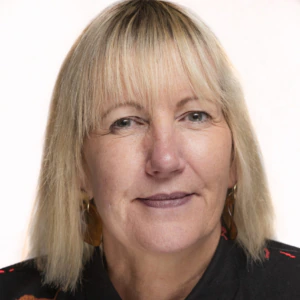
Sian Cook is the senior development officer at the National Museums Liverpool (NML)
No: We find the idea of actively soliciting donations from the general visiting public offensive.
In the past two years, we have introduced more donation boxes across all NML's venues as a way of encouraging small donations from the general public should they be so motivated. We now have more than 25 boxes across all our seven venues and are experimenting with how and what works best for us. Responsibility for looking after
the boxes is shared between front-of-house staff, our design team and curators.
The boxes, which are stationed in various locations, are bright, portable and have changing signage. We monitor usage and move them around if they're not working in their current position.
Recently, we have been more upfront than we have in the past with the signage, moving from very passive terms such as, 'Please support National Museums Liverpool' to the, hopefully, slightly more persuasive 'Your donations help us keep our exhibitions free'.
But we deliberately don't use language that might imply visitors are expected to give to compensate for the fact that their visit is free. We believe that, in whatever small way, this would suggest that we are doing the public a favour. In fact, we are actually providing a public service that has already been paid for through the taxation system. In the last year alone, income from donation boxes has increased by 25 per cent.
Yes: In 2002, the Lowry was not an organisation that the Arts Council England regularly funded and it had the difficult challenge of balancing artistic ambition with fiscal reality.
The decision was taken to introduce a proactive donations policy to maximise income from gallery visitors.
Signage was placed at the entrance with suggested levels of donations and staff were briefed on how to ask visitors for financial support while reinforcing the message that the galleries were still free to enter.
While previous income from the passive use of collection boxes was minimal, the new policy has seen average donations rocket to well over £1 per person - a critically important six-figure annual income. (Curiously, income from donation boxes within the galleries has also subsequently increased.)
Visitor response to the policy is carefully monitored and in the past three years we have received only a handful of complaint letters. Proactive research also supported the policy with just 5 per cent of visitors disliking it, 5 per cent very supportive and the remaining 90 per cent completely ambivalent.
The donation policy has played a vital role in the Lowry's financial well-being, allowing us to continue to host an exciting range of changing exhibitions in our galleries. Crucially, this has been achieved without alienating our visitors. The Lowry makes no apology for asking guests to support its work and we must remember the visitor does have a choice - they don't have to give if they don't want to or aren't able to.
Sian Cook is the senior development officer at the National Museums Liverpool (NML)
No: We find the idea of actively soliciting donations from the general visiting public offensive.
In the past two years, we have introduced more donation boxes across all NML's venues as a way of encouraging small donations from the general public should they be so motivated. We now have more than 25 boxes across all our seven venues and are experimenting with how and what works best for us. Responsibility for looking after
the boxes is shared between front-of-house staff, our design team and curators.
The boxes, which are stationed in various locations, are bright, portable and have changing signage. We monitor usage and move them around if they're not working in their current position.
Recently, we have been more upfront than we have in the past with the signage, moving from very passive terms such as, 'Please support National Museums Liverpool' to the, hopefully, slightly more persuasive 'Your donations help us keep our exhibitions free'.
But we deliberately don't use language that might imply visitors are expected to give to compensate for the fact that their visit is free. We believe that, in whatever small way, this would suggest that we are doing the public a favour. In fact, we are actually providing a public service that has already been paid for through the taxation system. In the last year alone, income from donation boxes has increased by 25 per cent.