Just like the Kennedy assassination and 9/11, I will always remember what I was doing when I got the call telling me that one of Bolton's key exhibits was likely to be a fake.
The memories are all coming flooding back now the forger, Shaun Greenhalgh, has been sentenced to four years and eight months after earning £850,000 from making fake art treasures.
After I was told that there was a question mark over the authenticity of the Egyptian statue that Bolton council had bought for £440,000, there followed 24 hours of waiting and hoping that the police were wrong.
The next day the British Museum confirmed my fears and there followed a lengthy conversation with the Metropolitan Police's Arts and Antiques Unit.
Their first priorities were to visit Bolton and to seize the evidence (the Amarna Princess) from display and to view all of our acquisition documentation. But above all, it was vital to keep it secret for around two weeks until the police could organise a raid on the suspects' house in Bolton.
The need for secrecy was the main challenge for us. A relatively large number of people had to be briefed including key staff, but what if the news leaked out? It would allow the suspects to destroy vital evidence and any chance of a successful prosecution and recovery of any money might fail.
Our contingency plan to cover such a breach was mainly in the form of a media strategy. We also created a story to cover the statue's absence from display, in case any visitors or staff asked questions.
The statue's removal was organised early one morning when few staff were present and the police presence would raise no suspicions.
I decided that the funders should be informed, as they needed prior warning in case the news broke. I wanted to ensure a good future relationship despite the challenging circumstances. The call to the chief executive of the National Heritage Memorial Fund was a difficult one.
What is the best way to say: "You need to be aware that the statue you gave us a grant of £350,000 for is probably a fake?" The hardest call though was to the chair of our Friends organisation, which had given a significant sum from its hard-earned resources.
In the end, we managed to keep the information secure. And to say that a weight was lifted from my shoulders when the police successfully raided the suspects' home is the understatement of the century. Obviously the raid hit the press but the ongoing police investigation gave us a sound reason not to comment.
So how has this episode affected the art world and the public's view of museums? It will probably have little impact on the art world, as dealing with fakes and forgeries is a regular occurrence.
But acquisition funders may be more cautious in the future and the investigation of provenance for major acquisitions will be more rigorous.
In relation to the public's perception of the case, my main concern is how museums and experts deal with these issues.
In his sentencing of Greenhalgh, who was helped by his parents in their terraced house in Bolton, the judge said that no blame whatsoever should be attached to any of the museums, experts and auction houses involved. But the public do want to know how it happened.
We must openly explain how items are authenticated (or otherwise) and how we can be fooled and how mistakes can be made. We have to acknowledge that there are many items around the world where authenticity is in doubt.
It is refreshing to see the website description of a statue of a Kouros (a standing nude youth) in the Getty Villa Malibu as "Greek, about 530 BC or modern forgery", which is an honest statement - even experts cannot be certain.
In 1947 van Meegeren's Vermeer fakes were admitted/exposed and in 1987 Brigido Lara admitted to the forgery of over 40,000 pieces of pre-Colombian Mexican pottery, of which thousands are probably still in circulation.
The latest high-profile case was of John Myatt's art forgeries, and although less-known, John Drewe went to great lengths to create believable provenances for Myatt's works. This is all fascinating stuff and deserves to be more widely known; and museums are best placed to tell the story.
I hope that the Amarna Princess returns to public display as the centrepiece of an exhibit on fakes and forgeries. After all, it is just the latest chapter in a story that dates back over millennia.
A Michelangelo sculpture of Cupid was sold in 1496 purporting to be a much older piece and there are also Egyptian statues from the 7th-century BC that have deliberately copied the archaic style of Old Kingdom figures created nearly two millennia before.
Our mantra must be that museums may not always be right, but that we are always honest and truthful.
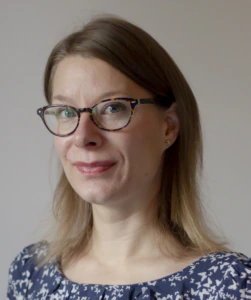
Steve Garland is the former director of Bolton Museums and Archives and is now a freelance consultant
The memories are all coming flooding back now the forger, Shaun Greenhalgh, has been sentenced to four years and eight months after earning £850,000 from making fake art treasures.
After I was told that there was a question mark over the authenticity of the Egyptian statue that Bolton council had bought for £440,000, there followed 24 hours of waiting and hoping that the police were wrong.
The next day the British Museum confirmed my fears and there followed a lengthy conversation with the Metropolitan Police's Arts and Antiques Unit.
Their first priorities were to visit Bolton and to seize the evidence (the Amarna Princess) from display and to view all of our acquisition documentation. But above all, it was vital to keep it secret for around two weeks until the police could organise a raid on the suspects' house in Bolton.
The need for secrecy was the main challenge for us. A relatively large number of people had to be briefed including key staff, but what if the news leaked out? It would allow the suspects to destroy vital evidence and any chance of a successful prosecution and recovery of any money might fail.
Our contingency plan to cover such a breach was mainly in the form of a media strategy. We also created a story to cover the statue's absence from display, in case any visitors or staff asked questions.
The statue's removal was organised early one morning when few staff were present and the police presence would raise no suspicions.
I decided that the funders should be informed, as they needed prior warning in case the news broke. I wanted to ensure a good future relationship despite the challenging circumstances. The call to the chief executive of the National Heritage Memorial Fund was a difficult one.
What is the best way to say: "You need to be aware that the statue you gave us a grant of £350,000 for is probably a fake?" The hardest call though was to the chair of our Friends organisation, which had given a significant sum from its hard-earned resources.
In the end, we managed to keep the information secure. And to say that a weight was lifted from my shoulders when the police successfully raided the suspects' home is the understatement of the century. Obviously the raid hit the press but the ongoing police investigation gave us a sound reason not to comment.
So how has this episode affected the art world and the public's view of museums? It will probably have little impact on the art world, as dealing with fakes and forgeries is a regular occurrence.
But acquisition funders may be more cautious in the future and the investigation of provenance for major acquisitions will be more rigorous.
In relation to the public's perception of the case, my main concern is how museums and experts deal with these issues.
In his sentencing of Greenhalgh, who was helped by his parents in their terraced house in Bolton, the judge said that no blame whatsoever should be attached to any of the museums, experts and auction houses involved. But the public do want to know how it happened.
We must openly explain how items are authenticated (or otherwise) and how we can be fooled and how mistakes can be made. We have to acknowledge that there are many items around the world where authenticity is in doubt.
It is refreshing to see the website description of a statue of a Kouros (a standing nude youth) in the Getty Villa Malibu as "Greek, about 530 BC or modern forgery", which is an honest statement - even experts cannot be certain.
In 1947 van Meegeren's Vermeer fakes were admitted/exposed and in 1987 Brigido Lara admitted to the forgery of over 40,000 pieces of pre-Colombian Mexican pottery, of which thousands are probably still in circulation.
The latest high-profile case was of John Myatt's art forgeries, and although less-known, John Drewe went to great lengths to create believable provenances for Myatt's works. This is all fascinating stuff and deserves to be more widely known; and museums are best placed to tell the story.
I hope that the Amarna Princess returns to public display as the centrepiece of an exhibit on fakes and forgeries. After all, it is just the latest chapter in a story that dates back over millennia.
A Michelangelo sculpture of Cupid was sold in 1496 purporting to be a much older piece and there are also Egyptian statues from the 7th-century BC that have deliberately copied the archaic style of Old Kingdom figures created nearly two millennia before.
Our mantra must be that museums may not always be right, but that we are always honest and truthful.
Steve Garland is the former director of Bolton Museums and Archives and is now a freelance consultant