Over the past 10 years, we have become used to celebrating the completion of major projects. Capital and revenue investment has truly transformed many museums and galleries. Those in receipt of additional funds have flourished.
Our programmes have delivered innovative educational experiences, provided opportunities for reflection and recognition in relation to difficult issues such as slavery and changing ideas of national identity and enabled many of us to reach new visitors.
Earlier this year the outgoing prime minister Tony Blair made a rousing speech at Tate Modern in which he spoke about the achievements of the cultural sector. He stated that there would be no more boom and bust in cultural funding.
But since then, the demands of the 2012 Olympics have taken a serious toll on the funds available to the lottery. This not only almost halts the programme of capital development, but also takes money away from a huge range of community heritage projects and one-off acquisitions. This is the very boom and bust we thought we had seen the back of.
Things are tough for local government and there are signs that non-statutory services are vulnerable. The recent controversial sale of a work by Lowry by Bury council in order to balance its budget shows the financial squeeze that councils are experiencing. The future funding of university museums is also uncertain. This is tragic, as we are in danger of undermining the achievements we have worked so hard to secure.
While many museums have a mixed economy and work hard to raise money, central and local government funding remains the source of most of our spending power. The comprehensive spending review has been announced, but it is not yet clear how the money will be divided up and how this will affect the future of funding programmes such as Renaissance.
So what is the role of the Museums Association (MA) in the current climate? The MA occupies a unique position as an organisation that engages with staff at all levels, in every kind of museum, and increasingly other heritage attractions such as historic houses.
It is UK-wide and in the past 12 months has set up posts in Wales and Scotland with assistance from the Scottish Museums Council and CyMAL: Museums, Archives and Libraries Wales, to support the membership in those countries and in recognition that devolved governments have created different working contexts.
At the MA we must be more proactive in setting our own agenda and highlighting those issues we feel are critical to our future success. As president I thought I would have a stab at the list of areas for action:
Collaboration with libraries, archives and the arts and heritage sectors to create evidence that makes the case for culture to be at the heart of government policy
The incorporation of Renaissance in the Regions into the Museums, Libraries and Archives Council's (MLA) baseline budgets, so we can focus on bidding to develop these resources year-on-year as opposed to fighting for their very existence
Productive partnerships with the non-departmental public bodies. We want the MLA to become the powerful strategic body the sector needs. In Wales CyMAL now has a new relationship with the national museums and it is hoped that the Welsh Assembly will take on board recommendations from the MA as part of the work on the Welsh Museums Strategy.
In Scotland there are concerns that Scottish museums are unlikely to feature in the Culture Bill and that this could affect their future development. The work of the Northern Ireland Museums Council also needs to be safeguarded
More focus on our workforce; improving ways in at entry level is an MA priority
From acquisitions to responsible disposal, there is a lot of work that we must do in order to create a sensible and cost-effective approach to collections management
A defined role for national museums in supporting the sector that goes beyond the status of their collections and puts more rigour into the current ad hoc national and regional partnership arrangements
A recognition that regional centres of excellence are needed to help address the huge disparities of funding in our major cities
A plan to help us meet the challenges that the digital age presents
More meaningful work with our current and potential visitors
A sustainable approach to all our work. This topic will be the subject of the MA's next major report.
This is an aspirational list, but with the right level of resources it should be possible to make progress in all areas and help museums to play an active role in the delivery of the 2012 Olympics and Glasgow's bid for the 2014 Commonwealth Games.
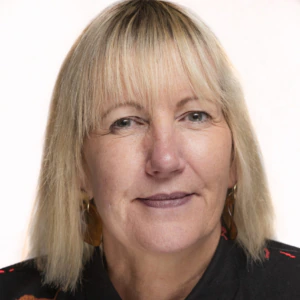
Virginia Tandy is the president of the Museums Association
Our programmes have delivered innovative educational experiences, provided opportunities for reflection and recognition in relation to difficult issues such as slavery and changing ideas of national identity and enabled many of us to reach new visitors.
Earlier this year the outgoing prime minister Tony Blair made a rousing speech at Tate Modern in which he spoke about the achievements of the cultural sector. He stated that there would be no more boom and bust in cultural funding.
But since then, the demands of the 2012 Olympics have taken a serious toll on the funds available to the lottery. This not only almost halts the programme of capital development, but also takes money away from a huge range of community heritage projects and one-off acquisitions. This is the very boom and bust we thought we had seen the back of.
Things are tough for local government and there are signs that non-statutory services are vulnerable. The recent controversial sale of a work by Lowry by Bury council in order to balance its budget shows the financial squeeze that councils are experiencing. The future funding of university museums is also uncertain. This is tragic, as we are in danger of undermining the achievements we have worked so hard to secure.
While many museums have a mixed economy and work hard to raise money, central and local government funding remains the source of most of our spending power. The comprehensive spending review has been announced, but it is not yet clear how the money will be divided up and how this will affect the future of funding programmes such as Renaissance.
So what is the role of the Museums Association (MA) in the current climate? The MA occupies a unique position as an organisation that engages with staff at all levels, in every kind of museum, and increasingly other heritage attractions such as historic houses.
It is UK-wide and in the past 12 months has set up posts in Wales and Scotland with assistance from the Scottish Museums Council and CyMAL: Museums, Archives and Libraries Wales, to support the membership in those countries and in recognition that devolved governments have created different working contexts.
At the MA we must be more proactive in setting our own agenda and highlighting those issues we feel are critical to our future success. As president I thought I would have a stab at the list of areas for action:
Collaboration with libraries, archives and the arts and heritage sectors to create evidence that makes the case for culture to be at the heart of government policy
The incorporation of Renaissance in the Regions into the Museums, Libraries and Archives Council's (MLA) baseline budgets, so we can focus on bidding to develop these resources year-on-year as opposed to fighting for their very existence
Productive partnerships with the non-departmental public bodies. We want the MLA to become the powerful strategic body the sector needs. In Wales CyMAL now has a new relationship with the national museums and it is hoped that the Welsh Assembly will take on board recommendations from the MA as part of the work on the Welsh Museums Strategy.
In Scotland there are concerns that Scottish museums are unlikely to feature in the Culture Bill and that this could affect their future development. The work of the Northern Ireland Museums Council also needs to be safeguarded
More focus on our workforce; improving ways in at entry level is an MA priority
From acquisitions to responsible disposal, there is a lot of work that we must do in order to create a sensible and cost-effective approach to collections management
A defined role for national museums in supporting the sector that goes beyond the status of their collections and puts more rigour into the current ad hoc national and regional partnership arrangements
A recognition that regional centres of excellence are needed to help address the huge disparities of funding in our major cities
A plan to help us meet the challenges that the digital age presents
More meaningful work with our current and potential visitors
A sustainable approach to all our work. This topic will be the subject of the MA's next major report.
This is an aspirational list, but with the right level of resources it should be possible to make progress in all areas and help museums to play an active role in the delivery of the 2012 Olympics and Glasgow's bid for the 2014 Commonwealth Games.
Virginia Tandy is the president of the Museums Association