Understanding Slavery is a national education project to promote the effective teaching of the history of the transatlantic slave trade in schools and communities. It has been funded by the department for culture and the department for education through the strategic commissioning programme.
The project ticks a lot of boxes: it has brought together two national and three regional museums in a partnership; it provides an accessible website for teachers and community groups; it is funded by two government departments; and it has collections at its heart.
But more importantly, it has done something that the formal education sector has failed to do - it has put slavery on to the national curriculum. Let's not get carried away. It's not a compulsory subject just yet - it is still tucked away behind other topics. But giving teachers the resources, the confidence and the objects with which to teach the history of slavery means that there are fewer excuses for avoiding the subject.
Teachers and museum staff alike are enthusiastic about the project. Teachers say that it gives them the confidence to teach the issue - it can be daunting to tackle a whole new subject area, especially one that is so sensitive and far reaching. And museums are finding that families and new audiences are coming in because there is a gap in provision.
Speaking at the launch of the Understanding Slavery Initiative David Lammy, the culture minister, said that ten years ago it was only possible to get an American perspective on slavery. The fact is that the UK's role in the trade is still somewhat unexplored and underexposed, but museums can and are beginning to change that.
But we shouldn't be too smug. There's still much more to be done in terms of concrete plans for next year - the bicentenary of the abolition of transatlantic slavery - and the question of what happens after 2007 is crucial too.
The legacy must be that museums continue to use their collections to tell this important part of Britain's history and continue to work with community groups, teachers and others to plant slavery firmly on the national curriculum.
The next big review of the national curriculum comes up in 2008 - which makes what happens next year, during the bicentenary, even more important.
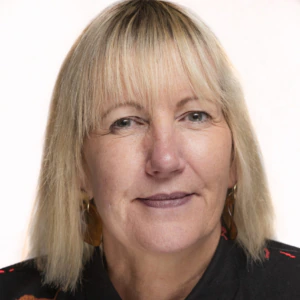
Sharon Heal, editor
sharon@museumsassociation.org
www.understandingslavery.com
The project ticks a lot of boxes: it has brought together two national and three regional museums in a partnership; it provides an accessible website for teachers and community groups; it is funded by two government departments; and it has collections at its heart.
But more importantly, it has done something that the formal education sector has failed to do - it has put slavery on to the national curriculum. Let's not get carried away. It's not a compulsory subject just yet - it is still tucked away behind other topics. But giving teachers the resources, the confidence and the objects with which to teach the history of slavery means that there are fewer excuses for avoiding the subject.
Teachers and museum staff alike are enthusiastic about the project. Teachers say that it gives them the confidence to teach the issue - it can be daunting to tackle a whole new subject area, especially one that is so sensitive and far reaching. And museums are finding that families and new audiences are coming in because there is a gap in provision.
Speaking at the launch of the Understanding Slavery Initiative David Lammy, the culture minister, said that ten years ago it was only possible to get an American perspective on slavery. The fact is that the UK's role in the trade is still somewhat unexplored and underexposed, but museums can and are beginning to change that.
But we shouldn't be too smug. There's still much more to be done in terms of concrete plans for next year - the bicentenary of the abolition of transatlantic slavery - and the question of what happens after 2007 is crucial too.
The legacy must be that museums continue to use their collections to tell this important part of Britain's history and continue to work with community groups, teachers and others to plant slavery firmly on the national curriculum.
The next big review of the national curriculum comes up in 2008 - which makes what happens next year, during the bicentenary, even more important.
Sharon Heal, editor
sharon@museumsassociation.org
www.understandingslavery.com