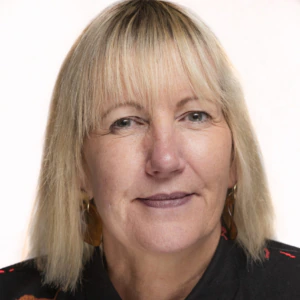
Hilary Bracegirdle is the director of the Royal Cornwall Museum, Truro
YES: Adrian Babbidge's 2006 report for the Association of Independent Museums (Aim) showed that the 23 per cent of Renaissance funding allocated to independent museums was already producing a positive impact.
Six of the nine regional hubs include at least one independent partner, such as my own Royal Cornwall Museum in the South West. But the benefits of Renaissance are now also reaching smaller independents.
Working with the 'wider museum community' - of which independents are a large constituent - is a priority in the South West and a whole section of the hub's business plan is dedicated to it, with a sub-committee overseeing the work across the region. We have earmarked £1.53m direct funding over the 2006-08 period, with eight jobs working with non-hub museums.
Our first project partnerships with non-hub museums have tended to be education/learning-based, because the Museum, Libraries and Archive Councils (MLA) required fast results in this field. Now, a broader range of programmes are being offered, some immensely practical, others more strategic. Partnership opportunities vary across our region because the needs of smaller museums do, too.
MLA has made it clear that this year will see increased benefits from Renaissance for the wider museum community, but Renaissance needs all our support if government funding is to continue.
If, as was said at the Aim conference, 'this is the only game in town', we need to work in partnerships to support it - or everyone, including the independents, will lose out on this unprecedented opportunity.
Bill Ferris is the chairman of the Association of Independent Museums
NO: It's not working as well as it should and while there is some good work going on, it is far too patchy and inconsistent. There is a real need for the good practice taking place in some regions to be replicated elsewhere.
I also think things such as the funding of museum development officers and training provision, which is happening via Renaissance in some areas, is not being recognised as Renaissance funding. There is no doubt that this is beneficial to the members of the Association of Independent Museums (Aim) wherever it happens.
Poorly resourced independents with already stretched resources will often be last in the pecking order because they struggle to find the time to develop the relationships that often result in partnerships that lead to trickle down.
This is not a criticism of the museums, but of a system that often places the emphasis on the 'junior' partner to be the proactive partner. It is also true that not all hub members, or regional Museum, Libraries and Archive Councils (MLA) are as proactive, engaging or supportive as they should be.
The impending Comprehensive Spending Review should focus hub and MLA minds, but care needs to be taken that criticism does not undermine the arguments for maintaining overall funding levels for museums.
We must not throw the baby out with the murky bath water. Aim would not wish to see museum funding reduce but it would like to see more opportunity for many of its members to benefit.
YES: Adrian Babbidge's 2006 report for the Association of Independent Museums (Aim) showed that the 23 per cent of Renaissance funding allocated to independent museums was already producing a positive impact.
Six of the nine regional hubs include at least one independent partner, such as my own Royal Cornwall Museum in the South West. But the benefits of Renaissance are now also reaching smaller independents.
Working with the 'wider museum community' - of which independents are a large constituent - is a priority in the South West and a whole section of the hub's business plan is dedicated to it, with a sub-committee overseeing the work across the region. We have earmarked £1.53m direct funding over the 2006-08 period, with eight jobs working with non-hub museums.
Our first project partnerships with non-hub museums have tended to be education/learning-based, because the Museum, Libraries and Archive Councils (MLA) required fast results in this field. Now, a broader range of programmes are being offered, some immensely practical, others more strategic. Partnership opportunities vary across our region because the needs of smaller museums do, too.
MLA has made it clear that this year will see increased benefits from Renaissance for the wider museum community, but Renaissance needs all our support if government funding is to continue.
If, as was said at the Aim conference, 'this is the only game in town', we need to work in partnerships to support it - or everyone, including the independents, will lose out on this unprecedented opportunity.
Bill Ferris is the chairman of the Association of Independent Museums
NO: It's not working as well as it should and while there is some good work going on, it is far too patchy and inconsistent. There is a real need for the good practice taking place in some regions to be replicated elsewhere.
I also think things such as the funding of museum development officers and training provision, which is happening via Renaissance in some areas, is not being recognised as Renaissance funding. There is no doubt that this is beneficial to the members of the Association of Independent Museums (Aim) wherever it happens.
Poorly resourced independents with already stretched resources will often be last in the pecking order because they struggle to find the time to develop the relationships that often result in partnerships that lead to trickle down.
This is not a criticism of the museums, but of a system that often places the emphasis on the 'junior' partner to be the proactive partner. It is also true that not all hub members, or regional Museum, Libraries and Archive Councils (MLA) are as proactive, engaging or supportive as they should be.
The impending Comprehensive Spending Review should focus hub and MLA minds, but care needs to be taken that criticism does not undermine the arguments for maintaining overall funding levels for museums.
We must not throw the baby out with the murky bath water. Aim would not wish to see museum funding reduce but it would like to see more opportunity for many of its members to benefit.