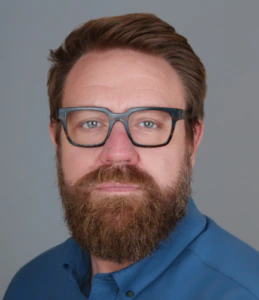
Piotr Bienkowski is the deputy director of the Manchester Museum
Yes: Modern paganism is a belief in the sanctity of nature and respect for the land and all ancestors - pagan, Christian, Muslim or other.
Modern pagan ceremonies for ancient human remains are not an attempt to recreate ancient rites or impose modern ones.
They are a simple mark of respect: an acknowledgment of a connection with an ancestor, whose original burial-place was disrupted by modern human need or curiosity.
Such ceremonies focus pagans' deeply felt religious sensitivities and needs to honour the relationship between the individual and their gods, their landscape, their community and descendants. There is no good reason for museums not to support such religious needs.
As polytheists, pagans do not believe they are the keepers of the only truth. Honouring different beliefs and gods is intrinsic to their religious practice. Whether reburying or working with a museum display of ancient human remains, where the dead person's religion or beliefs are unknown, this not-knowing is acknowledged as part of the ceremony.
The alternative would be an imposition of a specific rite; or reburial without a ceremony. The danger is that such an act could easily become a bureaucratic imposition, performed without any mark of respect for the ancient dead.
A conference at Manchester Museum on 17 November 2006 will explore these issues
www.museum.man.ac.uk/whatson/conferences.htm
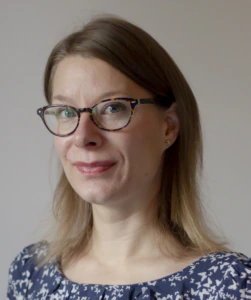
Fiona Pitt is the keeper of human history at the Plymouth City Museum and Art Gallery
No: The cited purpose of performing rituals is to show respect towards
pre-Christian remains. My problem is that I don't believe that performing modern pagan ceremonies actually does that.
I have no doubt that modern pagans genuinely feel a deep
connection to our distant ancestors, as do many non-pagans. However, feelings do not equate to factual knowledge. The cultural meaning of objects changes over time and people have always used the past to legitimise their place in the present.
The problem with performing a simple ceremony to acknowledge respect is that it is impossible to know if the rites being performed would have been seen as respectful by the person concerned or, in fact, been deeply abhorrent to them. We simply do not know.
Sometimes the urge to 'do something' needs to be tempered by humility in recognising what we can achieve. Nobody can claim the
authority to speak for these dead. Conversely, the guardianship and Enlightenment role of museums is, through research, to enable our ancient dead to speak to us. New ways of doing this are continuing to open up.
Some pagans would like to see ancient human remains, such as those from Avebury, reburied. The danger is that, while they are happy to speak for the dead, they may unintentionally prevent the dead from speaking for themselves.
Yes: Modern paganism is a belief in the sanctity of nature and respect for the land and all ancestors - pagan, Christian, Muslim or other.
Modern pagan ceremonies for ancient human remains are not an attempt to recreate ancient rites or impose modern ones.
They are a simple mark of respect: an acknowledgment of a connection with an ancestor, whose original burial-place was disrupted by modern human need or curiosity.
Such ceremonies focus pagans' deeply felt religious sensitivities and needs to honour the relationship between the individual and their gods, their landscape, their community and descendants. There is no good reason for museums not to support such religious needs.
As polytheists, pagans do not believe they are the keepers of the only truth. Honouring different beliefs and gods is intrinsic to their religious practice. Whether reburying or working with a museum display of ancient human remains, where the dead person's religion or beliefs are unknown, this not-knowing is acknowledged as part of the ceremony.
The alternative would be an imposition of a specific rite; or reburial without a ceremony. The danger is that such an act could easily become a bureaucratic imposition, performed without any mark of respect for the ancient dead.
A conference at Manchester Museum on 17 November 2006 will explore these issues
www.museum.man.ac.uk/whatson/conferences.htm
Fiona Pitt is the keeper of human history at the Plymouth City Museum and Art Gallery
No: The cited purpose of performing rituals is to show respect towards
pre-Christian remains. My problem is that I don't believe that performing modern pagan ceremonies actually does that.
I have no doubt that modern pagans genuinely feel a deep
connection to our distant ancestors, as do many non-pagans. However, feelings do not equate to factual knowledge. The cultural meaning of objects changes over time and people have always used the past to legitimise their place in the present.
The problem with performing a simple ceremony to acknowledge respect is that it is impossible to know if the rites being performed would have been seen as respectful by the person concerned or, in fact, been deeply abhorrent to them. We simply do not know.
Sometimes the urge to 'do something' needs to be tempered by humility in recognising what we can achieve. Nobody can claim the
authority to speak for these dead. Conversely, the guardianship and Enlightenment role of museums is, through research, to enable our ancient dead to speak to us. New ways of doing this are continuing to open up.
Some pagans would like to see ancient human remains, such as those from Avebury, reburied. The danger is that, while they are happy to speak for the dead, they may unintentionally prevent the dead from speaking for themselves.