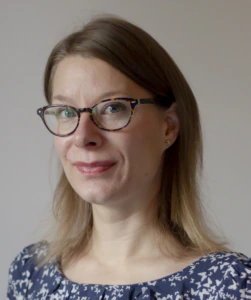
Michele Taylor is a disability equality trainer
No: Disability issues are not being sufficiently addressed. This is not to deny the pioneering work going on in several museums, but providing a ramp, induction loop, programme of touch tours and even a genuinely accessible website does not constitute access for disabled people.
Despite the campaigning and educational work of MAGDA, museums are stuck at thinking about physical and sensory access to collections, with very little consideration being given to interpretation and collection policies.
The Buried in the Footnotes report found that disabled people's stories are not being told at all or are being inappropriately interpreted, perpetuating images of disabled people as freaks or victims. Curators, in some cases, do not even realise the significance to disability history of some of their artefacts.
Museums have an opportunity to present our stories to the world and that opportunity is being lost. This is not necessarily the fault of individuals; museums need a fundamental cultural shift in order to grasp the chance to go beyond tokenism and make disabled people's stories real and relevant.
MAGDA had the potential to give us a forum to debate the issues, a resource for information and dissemination of good practice, a groundswell of pressure not to ignore our stories. Whatever its strengths and weaknesses, the loss of MAGDA will turn out to be 'a good thing' only if it galvanises us into replacing it with something that has teeth and isn't afraid to snap at the ankles of the museums sector.
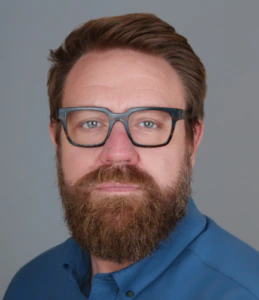
Marcus Weisen, policy adviser - Inclusion and Communities, Museums, Libraries and Archives Council
Yes: As a former member of MAGDA, I am saddened by its demise. It means the loss of a seminal and inspirational voice. MAGDA's vision of equality for disabled visitors, artists and employees in museums and galleries is as relevant today as it was 20 years ago. MAGDA, which never had paid staff, has struggled on since the mid-1990s. Still, it reinvented itself, sustaining the Barrier-free magazine for nearly a decade.
For the past five years, leadership has come in the main from other bodies. The University of Leicester published a groundbreaking report on disability representation in collections. Colchester Museums develop and promote good practice nationally and internationally. MLA North East, MLA Yorkshire and MLA London have established thriving disability networks. MLA's disability-access guidelines (translated into four languages) has had a profound impact. The Jodi Awards for web accessibility have widened our understanding of inclusion.
The real question is whether disability issues are now sufficiently addressed. MLA's disability surveys of 2001 and 2005 (to be published in October) demonstrate that real progress has been made, but that more is needed.
The Department for Work and Pensions aims to achieve equal life chances for disabled people by 2025. That is how long it takes, provided we all commit to it, day in day out, year in year out. The legal and policy frameworks are in place, as are guidance and infrastructure.
No: Disability issues are not being sufficiently addressed. This is not to deny the pioneering work going on in several museums, but providing a ramp, induction loop, programme of touch tours and even a genuinely accessible website does not constitute access for disabled people.
Despite the campaigning and educational work of MAGDA, museums are stuck at thinking about physical and sensory access to collections, with very little consideration being given to interpretation and collection policies.
The Buried in the Footnotes report found that disabled people's stories are not being told at all or are being inappropriately interpreted, perpetuating images of disabled people as freaks or victims. Curators, in some cases, do not even realise the significance to disability history of some of their artefacts.
Museums have an opportunity to present our stories to the world and that opportunity is being lost. This is not necessarily the fault of individuals; museums need a fundamental cultural shift in order to grasp the chance to go beyond tokenism and make disabled people's stories real and relevant.
MAGDA had the potential to give us a forum to debate the issues, a resource for information and dissemination of good practice, a groundswell of pressure not to ignore our stories. Whatever its strengths and weaknesses, the loss of MAGDA will turn out to be 'a good thing' only if it galvanises us into replacing it with something that has teeth and isn't afraid to snap at the ankles of the museums sector.
Marcus Weisen, policy adviser - Inclusion and Communities, Museums, Libraries and Archives Council
Yes: As a former member of MAGDA, I am saddened by its demise. It means the loss of a seminal and inspirational voice. MAGDA's vision of equality for disabled visitors, artists and employees in museums and galleries is as relevant today as it was 20 years ago. MAGDA, which never had paid staff, has struggled on since the mid-1990s. Still, it reinvented itself, sustaining the Barrier-free magazine for nearly a decade.
For the past five years, leadership has come in the main from other bodies. The University of Leicester published a groundbreaking report on disability representation in collections. Colchester Museums develop and promote good practice nationally and internationally. MLA North East, MLA Yorkshire and MLA London have established thriving disability networks. MLA's disability-access guidelines (translated into four languages) has had a profound impact. The Jodi Awards for web accessibility have widened our understanding of inclusion.
The real question is whether disability issues are now sufficiently addressed. MLA's disability surveys of 2001 and 2005 (to be published in October) demonstrate that real progress has been made, but that more is needed.
The Department for Work and Pensions aims to achieve equal life chances for disabled people by 2025. That is how long it takes, provided we all commit to it, day in day out, year in year out. The legal and policy frameworks are in place, as are guidance and infrastructure.