The University of Leicester’s Trans-Inclusive Culture team has updated its guidance for museums and heritage bodies following the publication of the Equality and Human Rights Commission's (EHRC) draft code of practice for services, public functions and associations.
The code, which provides practical guidance to duty bearers on how to comply with the Equality Act 2010, was revised in response to the Supreme Court's ruling in April 2025 that the legal definitions of “woman”, “man”, and “sex” within the Equality Act refer exclusively to biological sex.
The updated code was published on 21 May, and it is currently being reviewed by Parliament. If approved, a date will be set for the code to come into force.
As part of its regular process of review, the Trans-Inclusive Culture team – a partnership led by the university’s Research Centre for Museums and Galleries that aims to advance trans inclusion – has updated its guidance for the museum sector.
“Despite claims that the [EHRC] code would provide long-awaited clarity and practical guidance to service providers to help them understand and comply with the Equality Act 2010 and reduce the requirement to seek specialist legal advice, it has generated further confusion and concern,” the updated guidance now states.
“At this point, there remains considerable uncertainty for service providers in how to implement the code in ways that reflect their long-standing commitments to advance inclusion for all groups. Moreover, it is widely anticipated that the context will continue to evolve through legal challenges across UK courts and tribunals.”
Advertisement
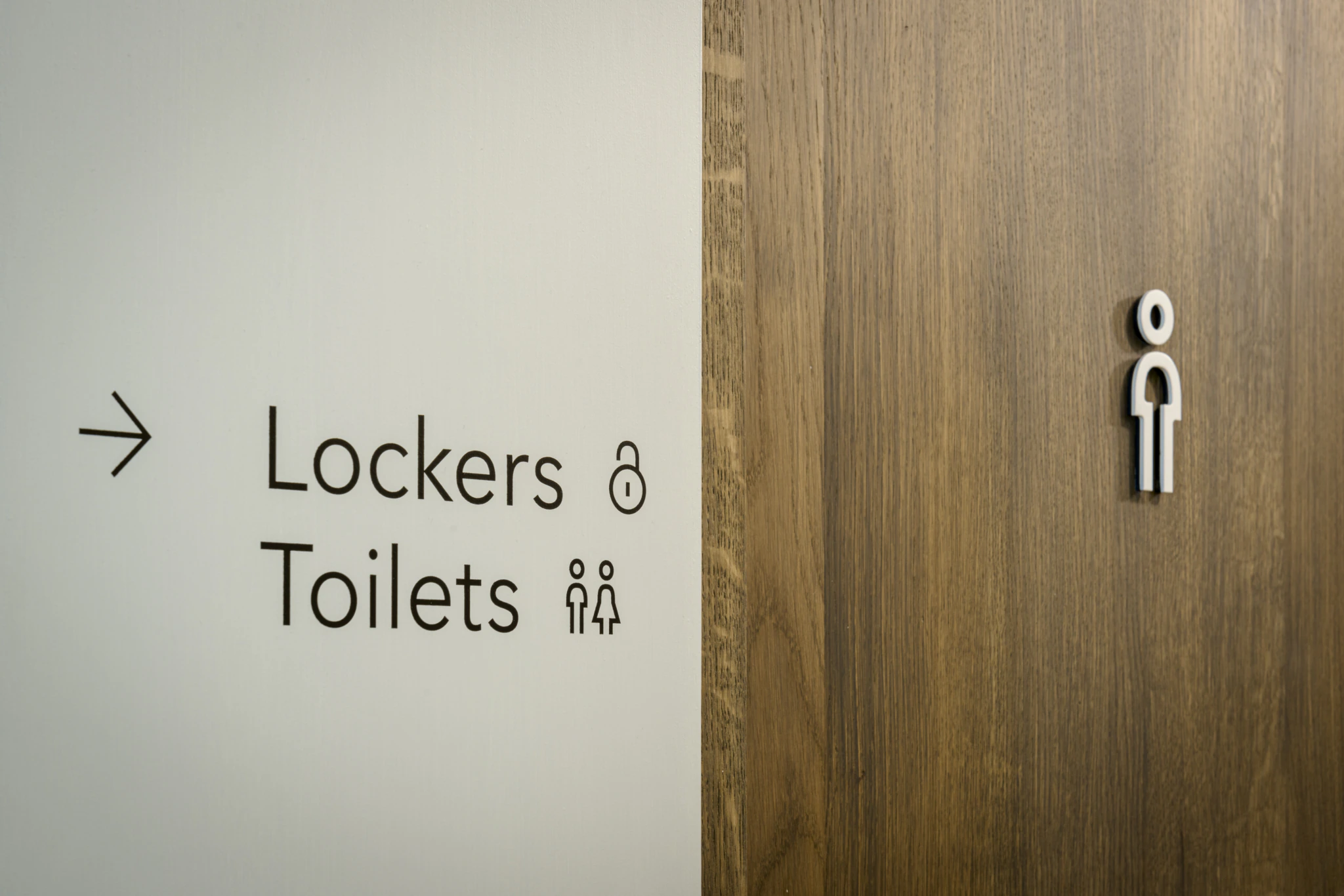
Although most of the guidance is unaffected by the EHRC draft code of practice, there are some small changes to the principles in the ethical framework regarding bathrooms, specifically the idea of “gender neutral” toilets.
Previously, the guidance recommended that, where possible, single-user bathrooms should be provided for all staff, volunteers and visitors, adding: “Trans [individuals] should be free to use the bathroom that they feel most comfortable using.”
However, it has now amended this to state that organisations can be trans-inclusive “by providing, wherever possible, single-user bathrooms, available to all”.
The guidance features several case study scenarios crafted in response to questions raised by the sector. One of those, Scenario 10, has also been removed to reflect the changes to the code of practice.
That scenario gave advice in response to the question: “I work in a small archive and we have one toilet for men and one for women. It would be useful to have guidance on signage that can be used outside and in these toilets to ensure that we are trans inclusive.”
Richard Sandell, the co-director of the Research Centre for Museums and Galleries, told Museums Journal: “Even when changes in the law potentially hinder or complicate their inclusive ambitions, there is still a huge amount that museums can do (and should take forward in line with the Equality Act and Public Sector Equality Duty) to advance equality and inclusion for all.
Advertisement
“For trans communities in 2026, this work is more important than ever. Following its June update, the Trans-Inclusive Culture guidance continues to show how cultural leaders, staff, volunteers and trustees can work together to generate an inclusive organisational culture, partner ethically with trans communities, offer a warm welcome to (and ensure the safety of) trans visitors, their families, friends and allies and tell stories in ways that counter harmful misinformation and disinformation.”
How will the EHRC’s draft code impact service providers? Further resources:
- Pinsent Masons: How the UK’s new single-sex space guidance will impact service providers
- Gendered Intelligence: Updated EHRC Code of Practice: GI’s response | Gendered Intelligence
Resources supplied by The Trans-Inclusion Culture Team
In an email to stakeholders about the changes, Cesare Cuzzola, a research associate at the School of Museum Studies at Leicester and a member of the Trans-Inclusive Culture team, said: “We will continue to work with our team of legal and ethical experts to update the guidance and to take account of new insights for trans-inclusive organisations as they emerge.
“In the meantime, this updated guidance offers actions and strategies that can assist staff, volunteers, freelancers, managers and trustees to work together to advance trans inclusion and positively impact the experiences of trans individuals and communities.”
Cuzzola added that the EHRC's code of practice has been criticised by trans-led organisations and politicians for potentially undermining “the safety and dignity of trans people” as well as other groups with protected characteristics, and risking their exclusion from public life.