The International Council of Museums (Icom) has officially adopted a revised Code of Ethics for Museums following four years of consultation with its members and the wider sector.
The updated global framework sets out shared ethical principles to help museums protect cultural heritage, strengthen public trust, manage collections responsibly, and serve society.
Approved during the Icom’s 41st ordinary general assembly last week by 85.9% of the vote, the revised code reflects the evolving role of museums and responds to key challenges such as AI, the climate crisis and the legacy of colonialism. It also aligns with Icom’s 2022 definition of a museum.
The code is structured around five core principles:
- Society: Museums serve society.
- Professionalism: Museums operate and communicate with professional expertise, knowledge and standards.
- Education: Museums offer diverse experiences for knowledge-sharing and reflection.
- Collections: Museums research, collect and conserve.
- Governance: Museums are not-for-profit, permanent institutions.
Each principle carries a definition and a number of more specific ethical guidelines. For example, under the first principle, society, the code states that “museums should foster dialogue and knowledge-sharing through enduring cooperation and collaboration”.
Advertisement
Under the second principle, professionalism, it states: “Museum leaders should oversee the use of digital technologies in the museum, evaluating the benefits of these technologies and ensuring they cause no harm.”
An update to the Museums Association's (MA) UK Code of Ethics was approved last October.
India Divers, ethics and policy lead at the MA, said: “We congratulate Icom on having its Code of Ethics officially adopted after a rigorous process.
"We see many synergies between the Icom and UK Code of Ethics for Museums and look forward to working closely with Icom to drive forward ethical practice in museums to ensure our workforce is equipped to approach contemporary situations, such as AI and the climate crisis, through an ethical lens.”
A short history of Icom’s Code of Ethics
1986 | At its 15th General Assembly in Buenos Aires, Argentina, Icom launches its Code of Professional Ethics, which established a series of ethical pillars including stewardship of collections, protection and conservation, and promotion of heritage.
2001 | The code is retitled as Icom’s Code of Ethics for Museums at the 20th General Assembly in Barcelona, Spain
2004 | A revision to the code is approved by the 21st General Assembly in Seoul, Republic of Korea, structured around eight ethical principles including “museums work in close collaboration with the communities from which their collections originate as well as those they serve”.
2019 | At the 25th General Assembly in Kyoto, Japan, the organisation decides to review and, if necessary, revise the 2004 code.
2021 | Consultation with Icom members officially begins, led by the Icom Ethics Committee under the supervision of Icom’s executive board. The process involves consultations with the body’s national and international committees, regional alliances and affiliated organisations across the world.
2024 | The first full draft of the revised code is shared with Icom members for feedback.
2025 | A second full draft of the code is presented to Icom members for feedback.
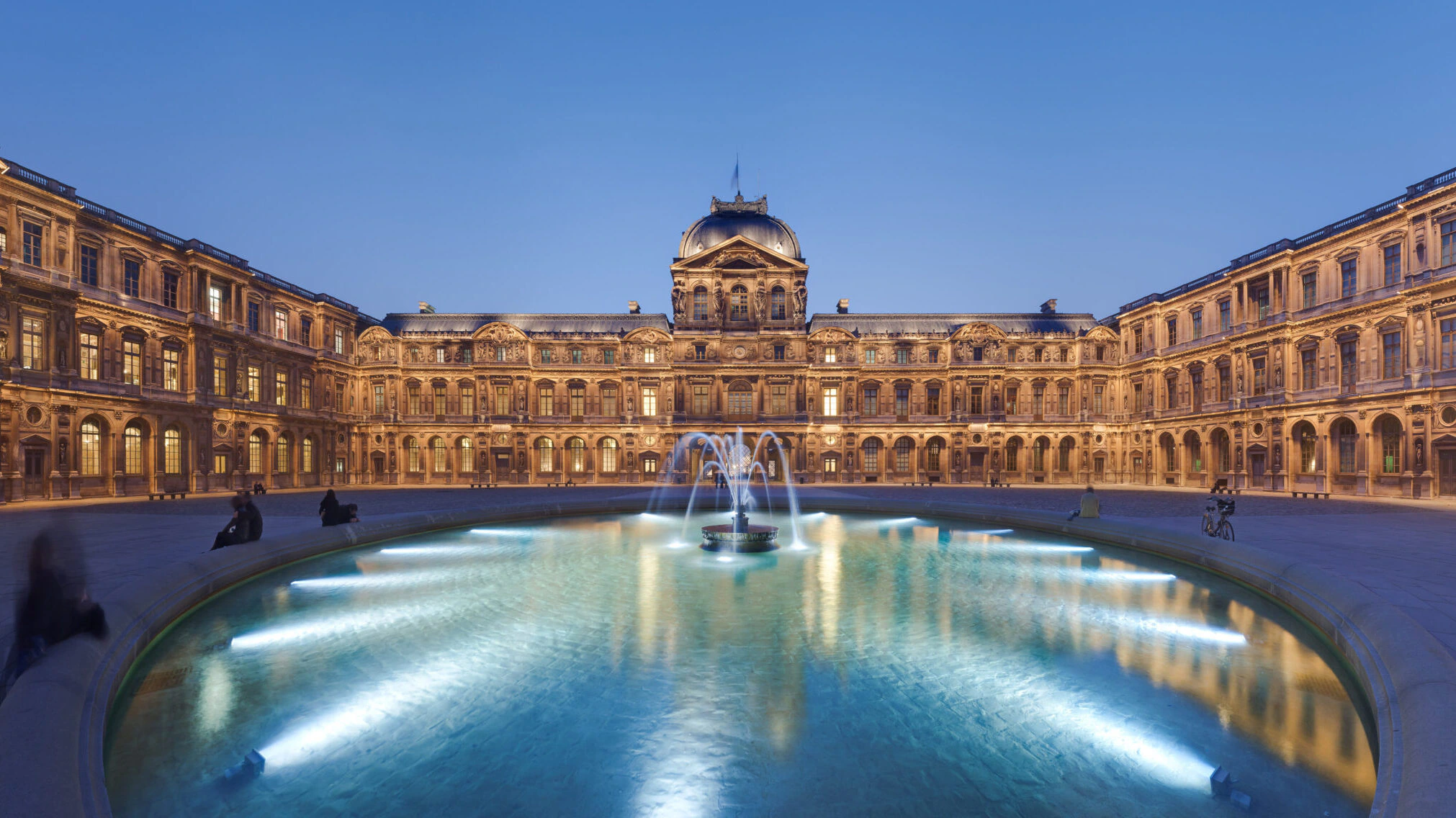
2026 | The revised code is approved during Icom’s 41st Ordinary General Assembly in Paris, France.