
Historic England has updated its counter-terrorism security advice to highlight some of the key implications of forthcoming anti-terrorism legislation for the heritage sector.
The new Terrorism (Protection of Premises) Act, which comes into force across the UK next April, aims to improve security at public premises and events.
Also known as Martyn’s Law, in tribute to Martyn Hett, one of the 22 victims of the 2017 Manchester arena attack, the act requires those responsible for certain premises and events to take appropriate steps to reduce vulnerability to terrorist attacks and consider how they would respond in the event of an attack.
The Home Office published detailed guidance to support organisations to comply with the new legislation earlier this year, and Historic England has now created its own guidance specifically for the heritage sector.
Qualifying premises
According to the guidance, one area that may cause confusion is whether a site falls under the scope of the law. There are no parameters around the size of a building or the materials from which it is made, but the legislation relies on the Town and Country Planning Act 1990 definition of a building as including “any structure or erection, and any part of a building, as so defined, but does not include plant or machinery comprised in a building”.
Advertisement
Premises where it’s not possible or reasonable to assume more than 200 people will be present at any one time are excluded from the act. Open-air locations such as parks and gardens are also excluded from the new law if they are open access and do not have any measures in place, such as walls or gates, to control, restrict or check visitor admissions.
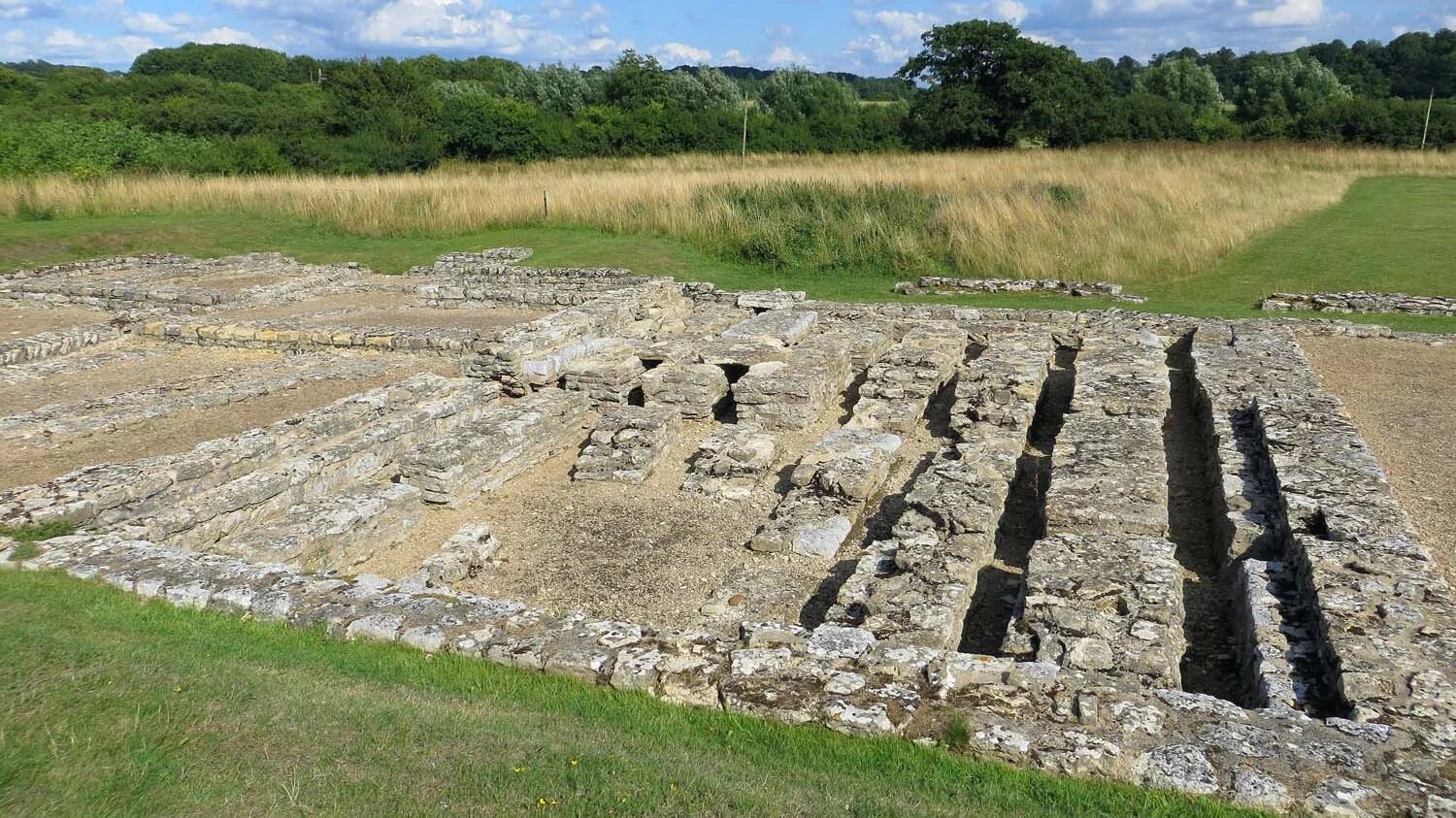
Historic England’s guidance states: “[A] heritage site that is wholly an open-air site (for example, the foundations of a Roman villa) would not fall within the scope of the act as a qualifying premises, even if 200 or more people may be present at the site at any one time.”
However, a site may still fall within the scope of the act if a specific event takes place there, which has restricted or controlled entry and expects to have 800 or more people present at any one time, or if the site also includes non-open-air buildings that are accessible to the public such as a visitor centre or cafe.
Reasonable practicable procedures
Smaller premises where between 200 and 799 people, including staff and volunteers, could reasonably be present at any one time must comply with the law under its standard tier requirements for public protection measures.
These include staff ensuring evacuation routes are in place, knowing how to swiftly implement a lockdown in the building, and being able to quickly communicate with their visitors in the event of an attack.
Advertisement
Larger premises, where 800-plus people will be present, are required to implement the advanced tier requirements, taking further steps to reduce their vulnerability to acts of terrorism around four areas: monitoring, movement, physical safety and security, and security of information.
Measures might include CCTV, bag search policies, vehicle security barriers or social media policies that limit the sharing of sensitive information.
Historic England points out that there is no one-size-fits-all approach and each site must consider the nature of its premises or event and the resources at its disposal.
The objectives of the desired procedures or measures must be balanced against the cost, time and challenges involved in implementing them.
“For a qualifying heritage premises staffed by a small number of volunteers, such as a parish church, what might be considered as reasonably practicable public protection procedures may be influenced by the capacity of these volunteers to arrange, implement and enact said procedures,” its guidance continues.
“For a listed building, what might be considered as reasonably practicable public protection measures may be influenced by the available budget, as well as restrictions on making alterations to the building in accordance with the Planning (Listed Buildings and Conservation Areas) Act 1990.”
Advertisement
It urges venues to consider the significance of the heritage asset before installing any physical security measures, and to engage with the Local Planning Authority or Historic England for support.
The installation of a physical feature, such as a security barrier or CCTV cameras, which affects the special interest of a listed building, may also require consent from the Local Planning Authority.
Likewise, public protection measures could impact archaeological sites or other heritage assets, while physical security measures within a scheduled monument may require Scheduled Monument Consent before the work can proceed.
“Ultimately, the outcome of these consent procedures may influence what reasonably practicable public protection measures can be implemented at a site,” Historic England says.
The guidance also includes links to resources that may be helpful when considering the implication and implementation of Martyn’s Law.
Historic England is running a free webinar on 10 June introducing Martyn’s Law and the current terrorist threat.