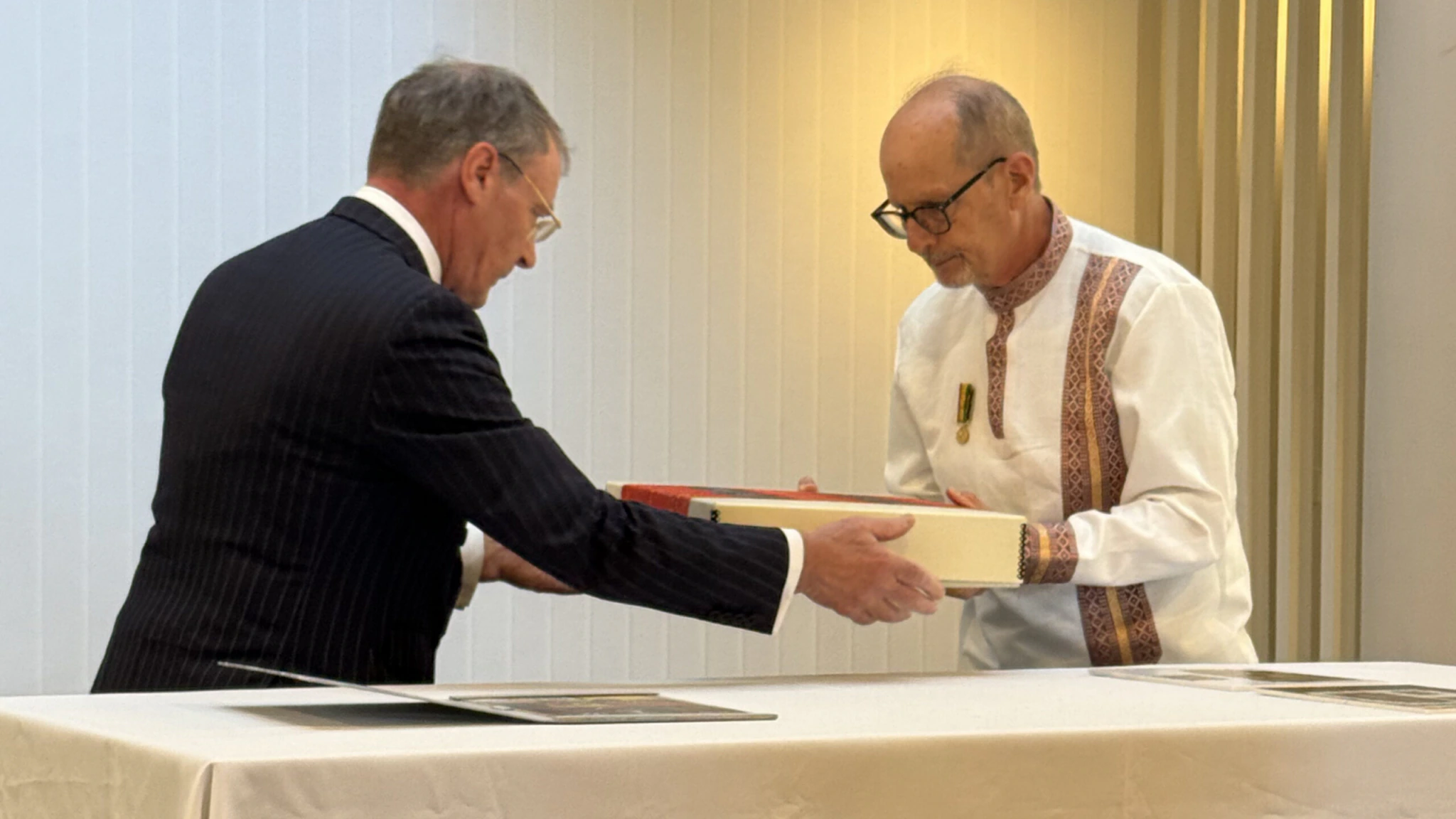
The Kings Own Royal Regiment Museum Trust in Lancaster repatriated two items to Ethiopia in a ceremony held this week.
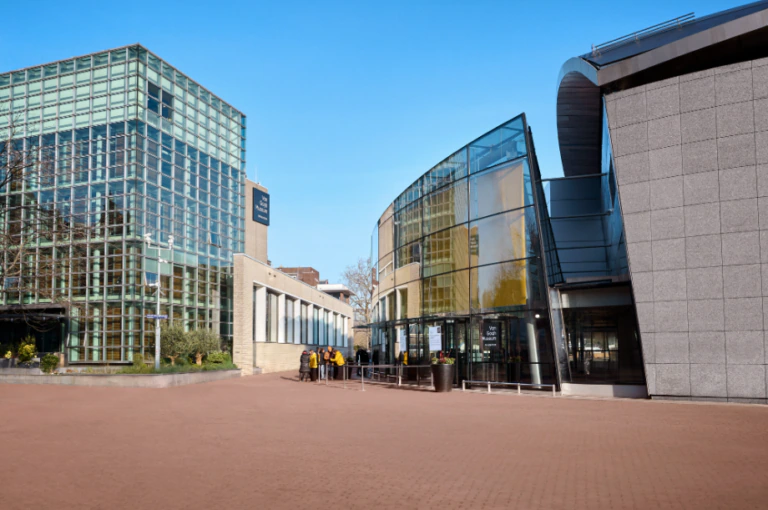
This handover ceremony was held at the University of Cumbria’s Lancaster Campus on the site of the former Bowerham Barracks, which was occupied by the Kings Own Royal Regiment until its amalgamation in 1959. The repatriation of the two collection items followed a request from the Ethiopian Heritage Authority in February.
The Kings Own Royal Regiment Museum, which is housed in Lancaster’s City Museum, has been researching its collection in a project supported by the Museums Association’s Esmée Fairbairn Communities and Collections Fund. The funding enabled the museum to employ Eyob Derillo, a specialist in the history of Abyssinia and former curator of the Ethiopian collection at the British Library, to evaluate items in the collection that came from Ethiopia.
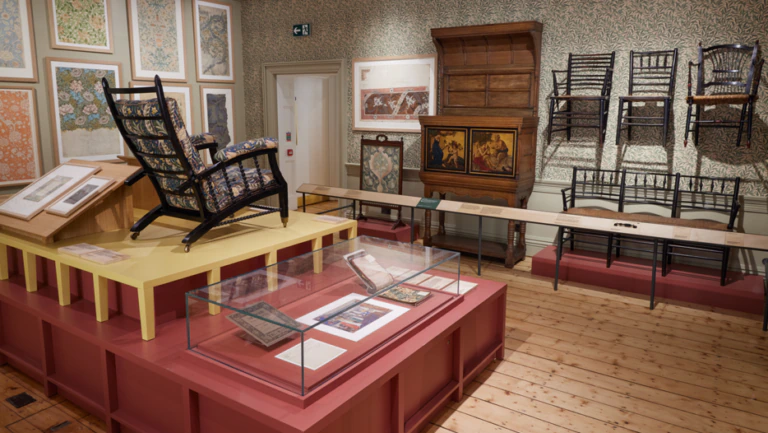
The research involved collaboration with members of the Ethiopian community and representatives of the Ethiopian Orthodox Church, to provide context and cultural perspective on the items. The project has also funded the redisplay of the Abyssinia section within the King’s Own Royal Regiment Museum.
The Kings Own Royal Regiment was part of the Anglo-Indian Expedition of 1868, which rescued hostages detained by the Emperor of Ethiopia, Tewodros III. The trust holds several artefacts from this expedition, with its research funding that two items are human remains: a lock of hair believed to be from Emperor Tewodros, and a piece of cloth believed to be stained with his blood.
The Kings Own Royal Regiment Museum Trust informed the Ethiopian Heritage Authority about the items, which led to the formal request to restitute and repatriate them to Ethiopia.
The Kings Own Royal Regiment Museum holds artefacts and records of the regiment from its inception in 1680 until amalgamation in 1959.