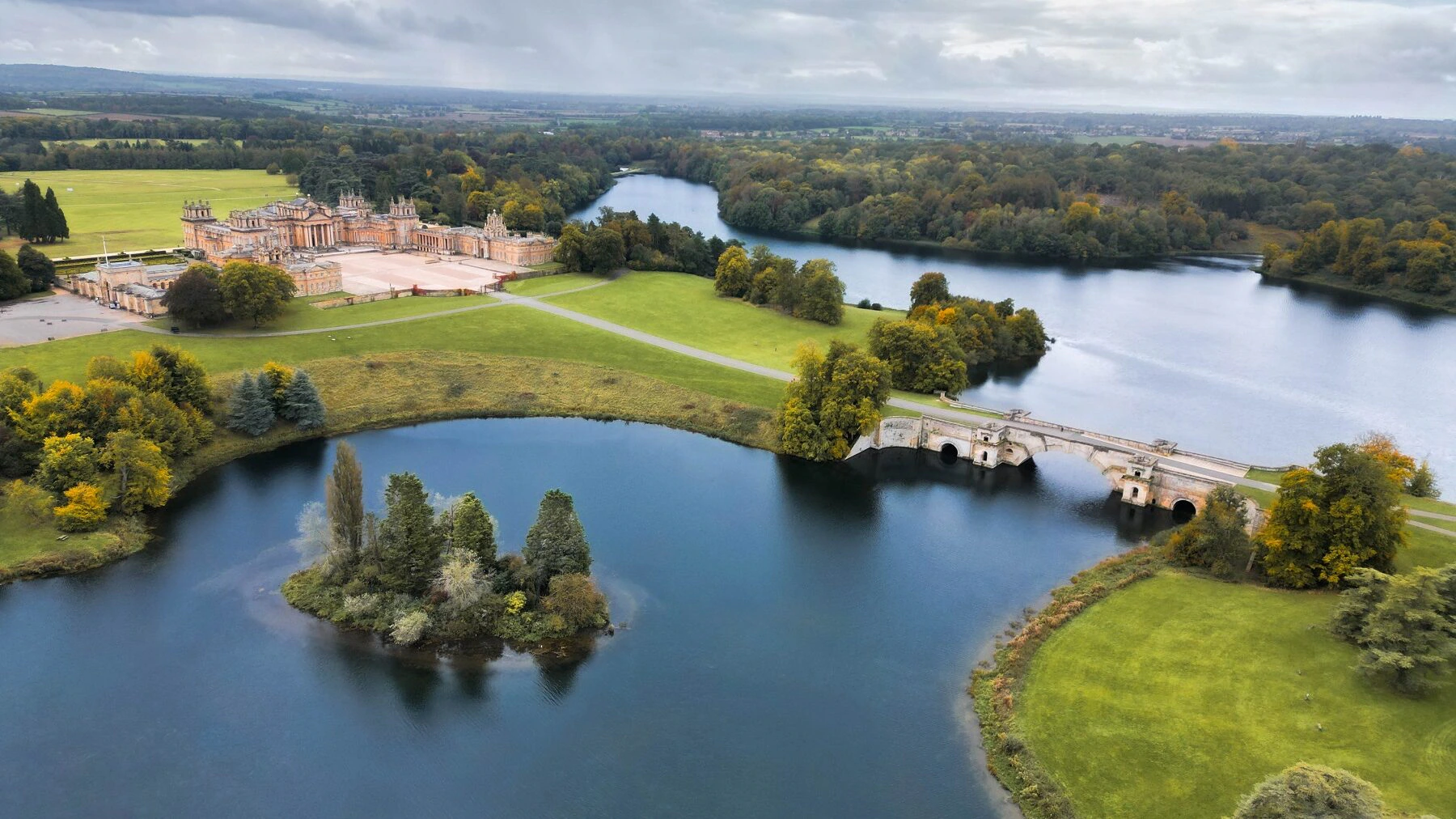
A new report has warned of a growing repair backlog facing publicly-accessible UK historic houses – and has called on the government to act to “prevent the loss of national heritage”.
Historic Houses, which represents around 1,450 independently owned historic houses, castles and gardens across the UK, says the repair bill facing the sector has doubled to £2bn since the start of the Covid pandemic, exacerbated by inflationary pressures and the cost-of-living squeeze.
A new report, From Crisis to Recovery: the Impact of the Culture Recovery Fund on Independent Heritage Five Years Later, highlights the impact of the £1.57bn government investment back in 2020.
Eighty-nine Historic Houses members received a total of £12.5m support from the Culture Recovery Fund, with a third using the money to support staff salaries. More than half of members used the funding for restoration works at sites that had fallen into disrepair, preventing them from deteriorating further.
“Heritage buildings require timely repairs to remain in good condition and postponing urgent works can lead the scale of work required and the costs associated to spiral,” the report stated. “[…] Many heritage businesses rely on their trading income to fund essential repairs, so restrictions on operations can directly endanger the historic buildings they occupy.”
According to Historic Houses, the average property spends about £160,000 on repairs and maintenance each year but it warns that the impact of pandemic closures and changes in visitor behaviour have “dealt a heavy blow to ongoing maintenance”.
Advertisement
The report stated: “The [Culture Recovery Fund] demonstrated how targeted, well-timed investment can unlock rapid delivery, create long-term resilience and prevent the loss of national heritage at moments of acute risk.
“Future policies could build on this, with strategic support for projects that conserve heritage while generating growth and innovation.”
At the start of 2025, Historic Houses published a new report on VAT and listed buildings, carried out by Harlow Consulting, which found that the government is unnecessarily “exacerbating” this £2bn backlog of urgently needed repairs.
It said a targeted VAT rebate scheme would generate a £7m net benefit to the Treasury and an additional 300,000 visits to historic houses every year.
About 80% of Historic Houses member properties open to the public are VAT-registered, meaning they can reclaim VAT-able expenditure on buildings that form part of their business operations. This can reduce net VAT payments to somewhere between 2% and 5% for those attractions.
But not all buildings qualify for VAT reclamation, including those that provide free public access, which disqualifies them from the role of “business operations” that the VAT reclaim system is designed for.
Advertisement
Ben Cowell, the director general of Historic Houses, said: “Our member houses were hit hard by the Covid lockdowns. The Culture Recovery Fund was a lifeline and demonstrated the value of government investment into the independent sector.
“We are in different times now, but the lessons are clear: much heritage remains in private hands, and the support shown by government at that difficult moment was absolutely crucial.
“We hope government will continue to recognise the important role played by private owners in preserving so much precious heritage, not least when it comes to the forthcoming budget.”