A number of ancient heritage sites in Türkiye and Syria are believed to be at risk following the devastating earthquakes in the region on 6 February, according to an initial survey by Unesco.
The international body has offered condolences to those affected by the disaster and said it would provide assistance in the two countries.
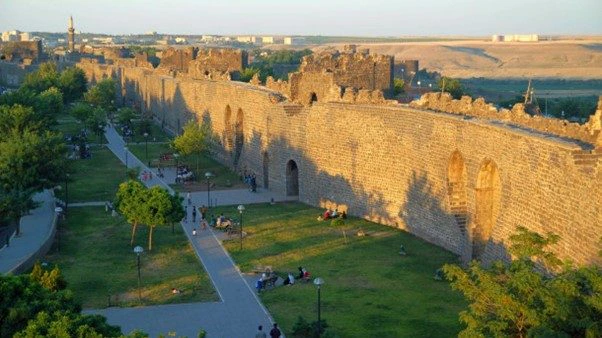
While the full extent of the damage is not yet clear, Unesco said it was saddened by the collapse of several buildings in the Turkish city of Diyarbakır, which is home to Diyarbakır Fortress and Hevsel Gardens Cultural Landscape, a world heritage site and important centre of the Roman, Sassanid, Byzantine, Islamic and Ottoman periods.
Reports also show severe damage to Gaziantep Castle in Türkiye, a Byzantine fortification built on a site that dates back to the Hittite Empire of around 1300 BCE.
The earthquakes destroyed some of the castle's bastions and a retaining wall, according to the Turkish state-run news agency Anadolu.
Advertisement
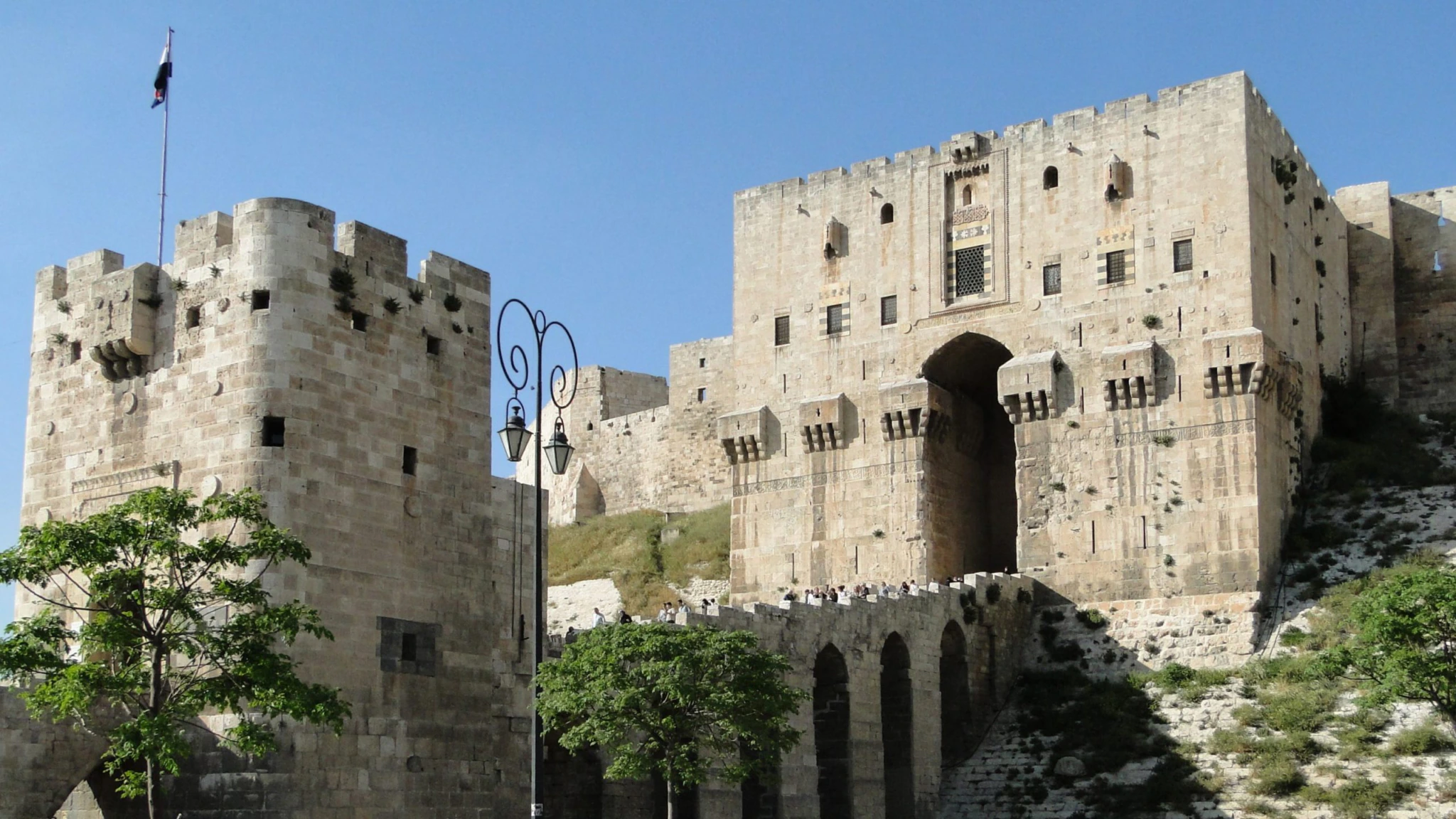
In Syria, the ancient city of Aleppo, which is already heavily damaged by war and inscribed on the list of World Heritage in Danger, suffered further destruction. Artefacts inside the National Museum in Aleppo are also believed to have been damaged in Monday’s earthquake.
A statement from the International Council on Monuments and Sites (Icomos), said: “The whole area affected by the earthquakes is rich in cultural heritage and so we unfortunately anticipate more news on impacted sites as the situation continues to unfold.”
Other world heritage sites not far from the epicentre include Göbekli Tepe, site of the world’s oldest known megaliths, Nemrut Dağ, a temple-tomb dating to 1 BCE and the Tell of Arslantepe, a neolithic mound said to be the birthplace of state society. However Unesco said that so far it had not received reports that any of those sites have been affected.
Unesco said it is mobilising its experts, in conjunction with Icomos and other partners, to establish an inventory of the damage and to safeguard the sites with the cooperation of national authorities, “while being aware that their priority at this stage is emergency disaster, rescue and relief”.
Unesco director-general Audrey Azoulay said: “My condolences go out to the families and loved ones of those who died. My thoughts are also with the injured and all those affected. Our organisation will provide assistance within its mandate.”
In a statement, Icomos said: “Icomos expresses its condolences and sadness at the rapidly rising death toll and numbers of missing and injured, as well as the devastation inflicted on populations, in part already heavily tested by war in Syria, in difficult winter conditions. Icomos offers its assistance.”
Advertisement
The body working with its national committees in Syria and Türkiye, while its vice-president Zeynep-Gül Ünal is in Türkiye as part of a search and rescue team.
“The Icomos president, Teresa Patricio, has assured Unesco of our full availability to support joint actions for inventory and damage assessment and recovery,” the statement said.
More than 22,700 people are now thought to have died in the disaster.