Museums and galleries across the UK could close for several days a week if anticipated cuts go ahead, the government was warned last month.
A meeting of about 70 directors of art galleries and museums at Tate Modern heard how a combination of arts council and local authority cuts were seriously undermining the gains that had been made over the past 10 to 15 years.
According to a director who attended the hastily arranged meeting, many organisations are already reducing opening hours, not filling vacancies and cutting back on education activities and programming.
He added that the government’s plan to develop philanthropy was a non-starter outside of London and wouldn’t make up for cuts in public funding.
It is understood that culture secretary Jeremy Hunt is aiming to agree the department for culture’s budget with the Treasury early, which has led to a flurry of lobbying by cultural organisations.
Alan Davey, chief executive of Arts Council England (ACE), wrote to all its regularly funded organisations last month to ask them to prepare for 10 per cent cuts in 2011-12. This is in addition to the 0.5 per cent cuts announced in May.
Davey said in his letter that ACE wanted to be open about the tough choices ahead.
“We want to give organisations at least 12 months’ notice of significant changes to their future funding,” he said.
“Given the economic climate, and the fact we have been asked to model a reduction of up to 30 per cent over four years, we are now asking you to model prudently for a minimum of a 10 per cent reduction in your funding for 2011-12.”
A cut of 30 per cent will reduce ACE’s budget by £135m a year and could mean it would stop funding more than 200 of its 880 regularly funded organisations.
Andrew Motion, chairman of the Museums, Libraries and Archives Council, said pressure on local council budgets was possibly a greater threat to the country’s cultural and artistic life than direct cuts from the Department for Culture, Media and Sport (DCMS).
“Most of the population up and down the country rely on libraries, museums, exhibitions, record offices and performances, funded or part-funded by local government,” he said.
“Towns and cities stripped of books, arts, theatres and celebrations of our past and future would be a grave threat to a bigger and better society.”
Meanwhile, philanthropists such as Anthony d’Offay and John Ritblat have written to the DCMS stressing that private donations won’t fill the gap left by public sector cuts in the short term and won’t work without tax incentives.
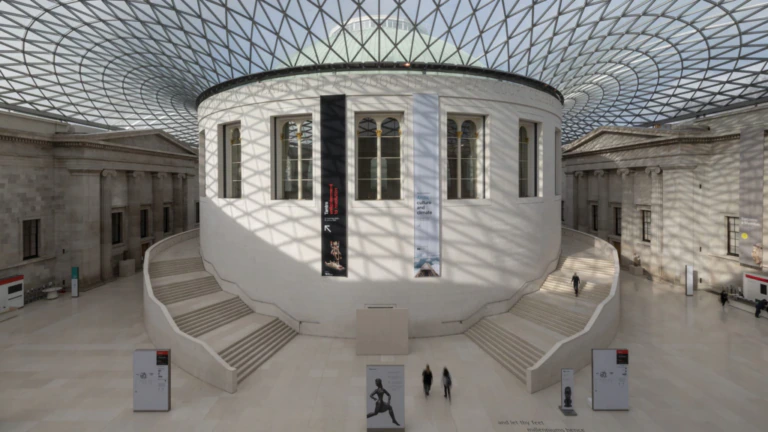
Image: Tate Modern
A meeting of about 70 directors of art galleries and museums at Tate Modern heard how a combination of arts council and local authority cuts were seriously undermining the gains that had been made over the past 10 to 15 years.
According to a director who attended the hastily arranged meeting, many organisations are already reducing opening hours, not filling vacancies and cutting back on education activities and programming.
He added that the government’s plan to develop philanthropy was a non-starter outside of London and wouldn’t make up for cuts in public funding.
It is understood that culture secretary Jeremy Hunt is aiming to agree the department for culture’s budget with the Treasury early, which has led to a flurry of lobbying by cultural organisations.
Alan Davey, chief executive of Arts Council England (ACE), wrote to all its regularly funded organisations last month to ask them to prepare for 10 per cent cuts in 2011-12. This is in addition to the 0.5 per cent cuts announced in May.
Davey said in his letter that ACE wanted to be open about the tough choices ahead.
“We want to give organisations at least 12 months’ notice of significant changes to their future funding,” he said.
“Given the economic climate, and the fact we have been asked to model a reduction of up to 30 per cent over four years, we are now asking you to model prudently for a minimum of a 10 per cent reduction in your funding for 2011-12.”
A cut of 30 per cent will reduce ACE’s budget by £135m a year and could mean it would stop funding more than 200 of its 880 regularly funded organisations.
Andrew Motion, chairman of the Museums, Libraries and Archives Council, said pressure on local council budgets was possibly a greater threat to the country’s cultural and artistic life than direct cuts from the Department for Culture, Media and Sport (DCMS).
“Most of the population up and down the country rely on libraries, museums, exhibitions, record offices and performances, funded or part-funded by local government,” he said.
“Towns and cities stripped of books, arts, theatres and celebrations of our past and future would be a grave threat to a bigger and better society.”
Meanwhile, philanthropists such as Anthony d’Offay and John Ritblat have written to the DCMS stressing that private donations won’t fill the gap left by public sector cuts in the short term and won’t work without tax incentives.
Image: Tate Modern