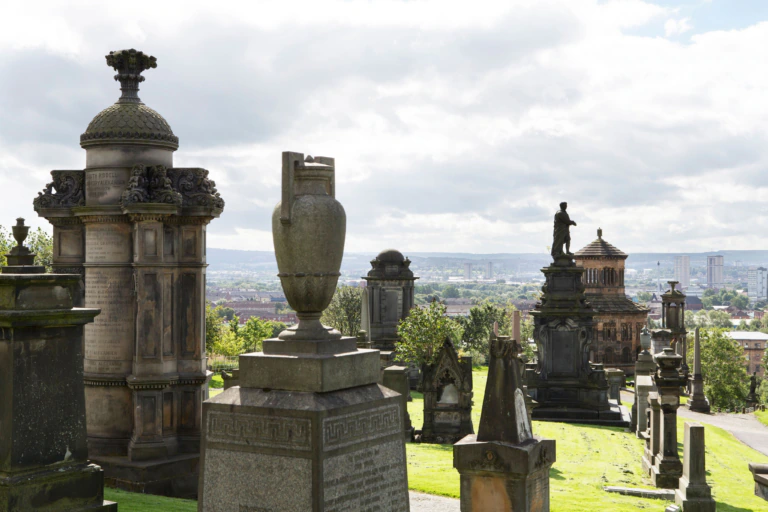
Abney Park occupies a very special place in Hackney’s heart. It is an open and welcoming public space for exercise and recreation, and the London cemetery is also the resting place of radicals, anti-slavery campaigners and dissenters, as well as local civilian victims of war and fallen soldiers.
Its 13 hectares of green space are some of the most biodiverse in London and it was the first designated statutory local nature reserve in the borough. The site in Stoke Newington is also a memorial garden laid out more than 180 years ago as an arboretum. As the last resting place of all sorts of people, it acts as a valuable and poignant site of remembrance of Hackney’s shared past.
At the Abney Park Trust, we work with Hackney Council to look after the park. It is the trust’s job to engage the 500,000 or more visitors who come through our Egyptian Revival gates each year. Our range of self-guided walking tours appeal to the tastes of every variety of walker, covering everything from woodland wildlife to radical history.
Of particular importance for community outreach and diversity is our walking tour of the park’s abolitionist graves, which includes the resting places of people such as the “Archbishop of Nonconformity”, Thomas Binney, who chaired the first World Anti-Slavery Convention in 1840.
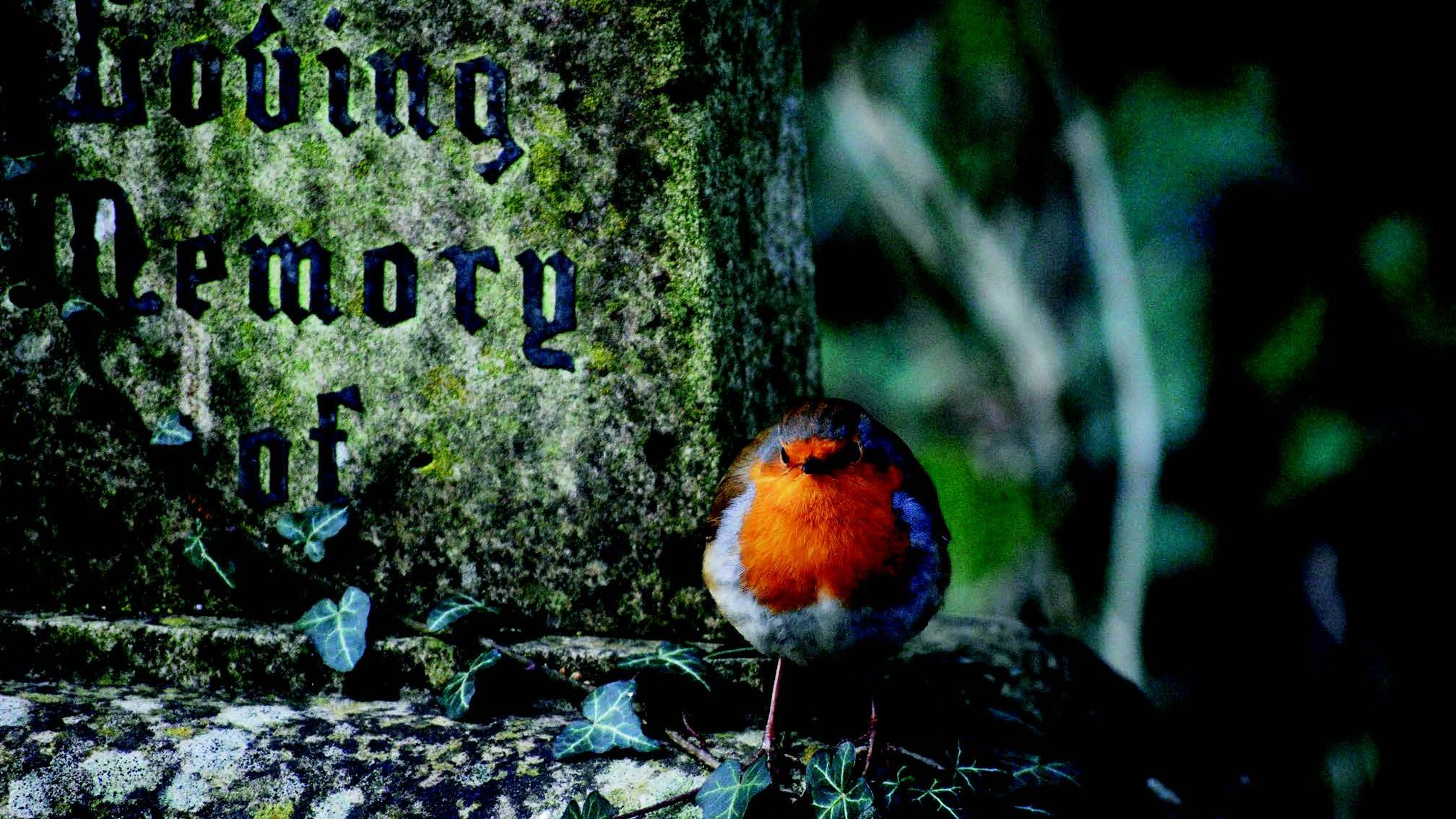
Our collaboration with Radio Lento saw a soundscaping podcaster capture the sound of birdsong on Christmas morning and share the recordings online – a creation that makes for relaxing and refreshing listening to those who have been working from home or shielding.
We welcomed more than 1,500 people a year to in-person theatre events before Covid. Recently, we’ve been bringing people together through online events, such as last year’s tour of Abney Park’s Music Hall burials presented by pianist Colin Sell.
Advertisement
Our social media pages are hubs for community discussion of the park, and we recently ran a contest to find and crown the park’s most popular dog. The park’s beauty is also a source of inspiration for filmmakers, photographers and artists.
The coronavirus lockdowns meant the trust could not operate its normal programme of events and fundraising opportunities. Like many others, we moved operations largely to the digital sphere, and worked hard to put on a programme of popular online events. This has meant the trust has been able to reach more audiences in Hackney and even as far afield as North America and Europe. But it has also meant new challenges for fundraising.
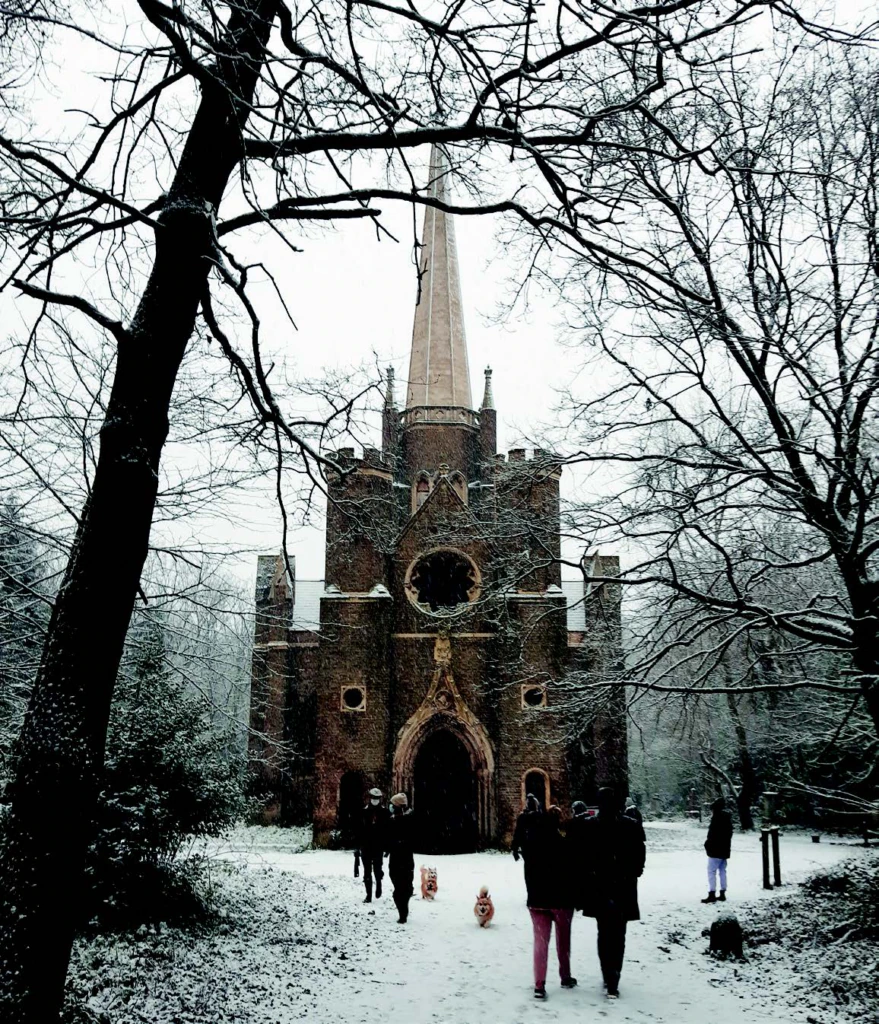
Over the next few years, the park will undergo careful improvements thanks to a £4.4m National Lottery Heritage Fund grant and further support from Hackney Council. Work on the project, which will cost £5m overall, started in March and will include bringing the chapel back into use and creating a cafe and classroom at the main entrance.
The trust is also working on plans for funded activities that will further enhance the park’s appeal to local and wider communities, including outreach exhibitions, citizen science programmes and more.
Nick Toner is a trustee at Abney Park Trust