
Emma Shepley
Freelance curator and museum consultant, former member of the Beecroft Bequest Committee
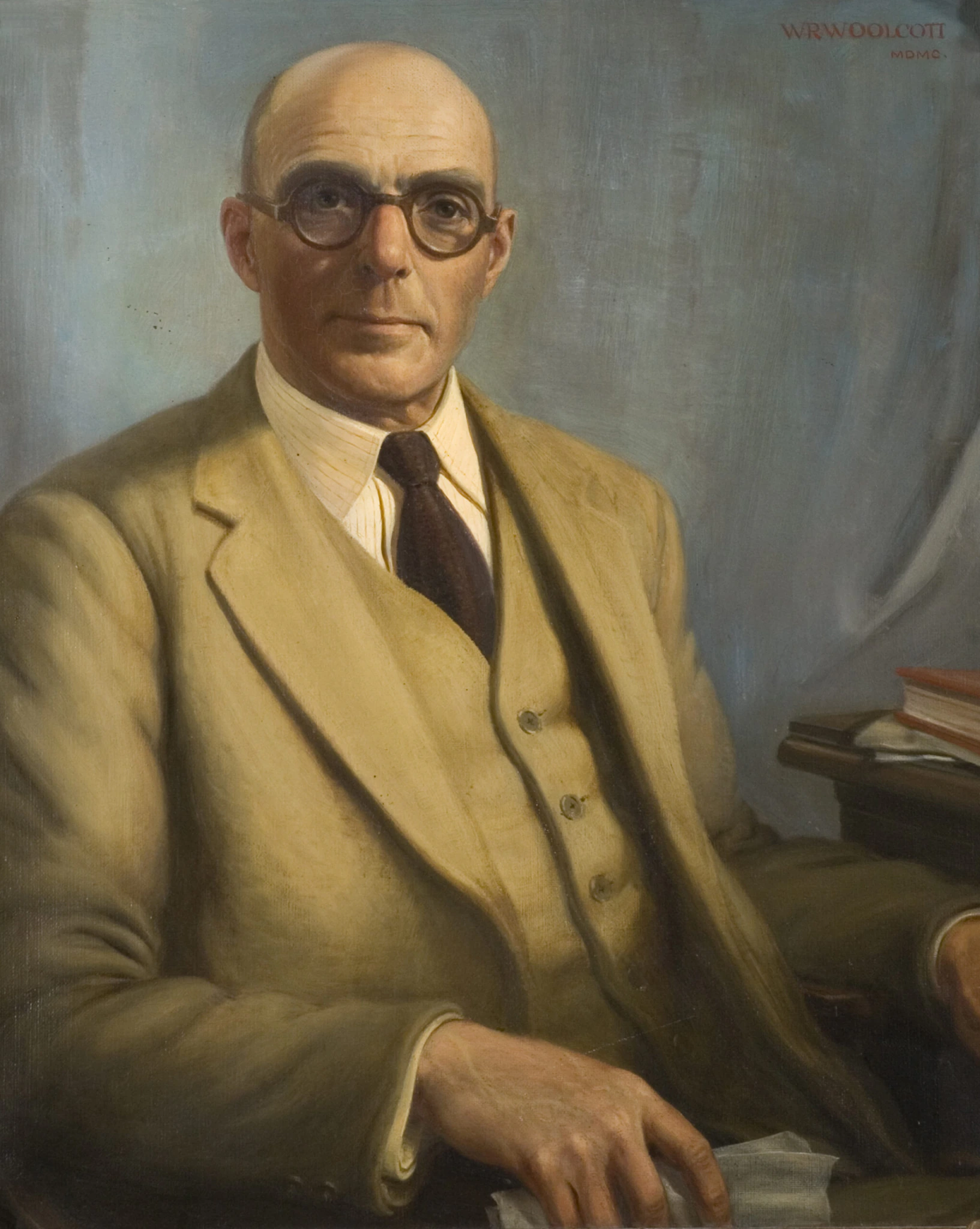
‘Mr Beecroft gives away £20,000’ exclaimed the Essex Chronicle on 27 April 1949. The Daily Mirror picked up the tale: “Elderly bachelor Walter Beecroft packed up £20,000 in brown paper, tucked it under his arm, went round to the Mayor’s parlour in Southend-on-Sea and said here you are, build an art gallery.”
Southend-on-Sea had just enough money for a new gallery in a single room above the local police station. Mr Beecroft was having none of it: “Who wants to look at art with the clanking of handcuffs in the background?… I am going to give this town a gallery which will place it on the lips of the world of art… About twelve years ago… I thought of having an art gallery in Southend. Then the war held us up. Now I’m determined to go on with it.”
The result of this philanthropy was Southend’s Beecroft Art Gallery, opening in 1952 and still flourishing today. Walter intended his gallery to be “a centre of culture… kept in the public eye with exhibitions, shows and concerts”.
Along with the pivotal £20,000, Beecroft donated works from his own collection. He said: “I have been interested in art for nearly 40 years and have visited every art gallery in Europe. I am lucky enough to have a friend who thinks nothing of going 100 miles out of his way to see a good picture.”
On Walter’s death aged 76 in 1961, his estate came to £36,000 – roughly £1m today. After other gifts were settled, he gave the residue to the Museums Association to create the Beecroft Bequest – an acquisitions fund for UK museums “for the purchase of works of art and pictures by Old Masters… not later in date than the end of the Eighteenth Century”. As if this isn’t clear, Walter goes on to stress that they should “not under any circumstances [be] works of the Modern, Surrealism or Abstract Schools”.
Beecroft is an intriguing character. It’s not the norm for the British founding benefactor of an art gallery and an old masters fund to come from a family of Billingsgate fish market traders. But Walter’s grandfather Ebenezer, father William and three of his brothers were wholesale fish traders Beecroft and Sons, working on pitch 14 of the famous Lower Thames Street market hall from the mid-1800s.
For decades Beecroft’s managed daily consignments of fish, selling from 4.00am every morning to the restaurateurs and fishmongers of London. Billingsgate was so well-known for cockney traders’ colourful taunts and slang that by Walter’s time the word ‘Billingsgate’ itself was a dictionary definition for ‘coarsely abusive language’.
No family is defined by one job and one place. The Beecroft family combined shrewd entrepreneurial business sense, social mobility and a flair for the dramatic. Several of Walter’s fifteen siblings performed in amateur theatrical and musical shows, reported in exhaustive detail by local papers throughout the early 1900s.
Embracing the music hall era, Walter’s sister Maud was a stage ‘elocutionist’ and concert organiser who left for California, followed swiftly by younger brother Victor – a successful Broadway and US TV actor for forty years – deliberately keeping his cockney accent to win a steady stream of character roles.
Walter himself was a performer for Leigh Dramatic Society and a celebrated baritone whose renditions of Stone-Cracker John and the Whaler’s Yarn delighted audiences with his ‘sympathetic style’. Encores were usually requested.
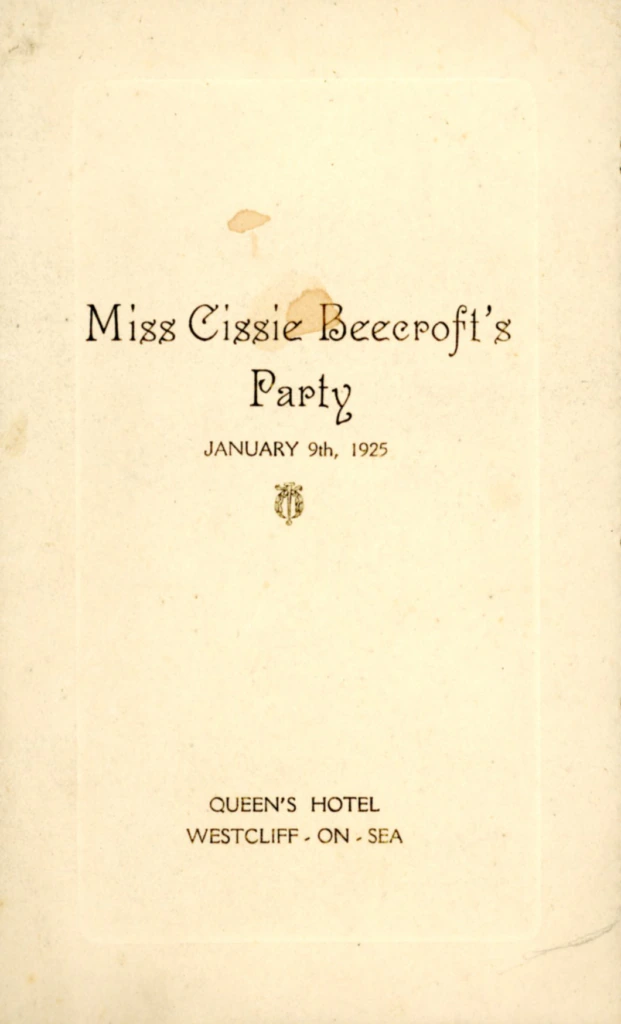
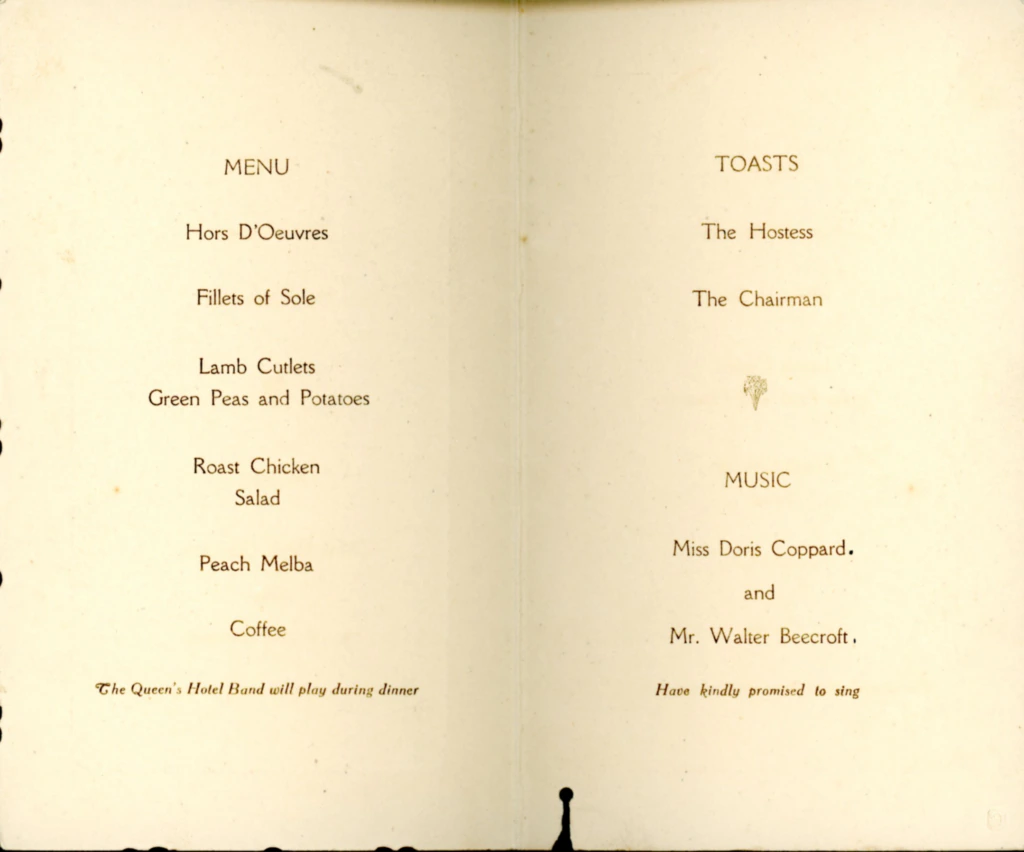
By the early 1900s, Walter’s parents William and Elizabeth had moved from Camberwell, South London to Leigh-on-Sea, Essex. William became a town councillor and not only owned and held concerts at ‘one of the best residences on the Leigh Park Estate’ but also ran a rental property empire. Wealth was accruing comfortably within a family ensconced in a social orbit of am-dram soirees and local government.
Walter and his brother Arthur also moved to Leigh-on-Sea, trained as solicitors and set up a successful practice in book-lined offices on the Broadway. Defending clients in court, managing estates and business deals, Walter was best man when Arthur married Alice amidst wreaths of orange blossom in 1912.
Walter spent his time and money on European travels, collecting art and antiques and in his local community as a committee stalwart. As an ardent letter writer to the Telegraph, he bemoaned unpleasant surges in dog ownership and socialism.
Walter stated that he had “no time for modern art” and personally loved 16th- to 18th-century works: “Since the world has become commercialised and industrialised, art has counted for less and less… Why must we be so insular? I want art that will live… I’m not setting out to encourage present day talent. I don’t like it.”
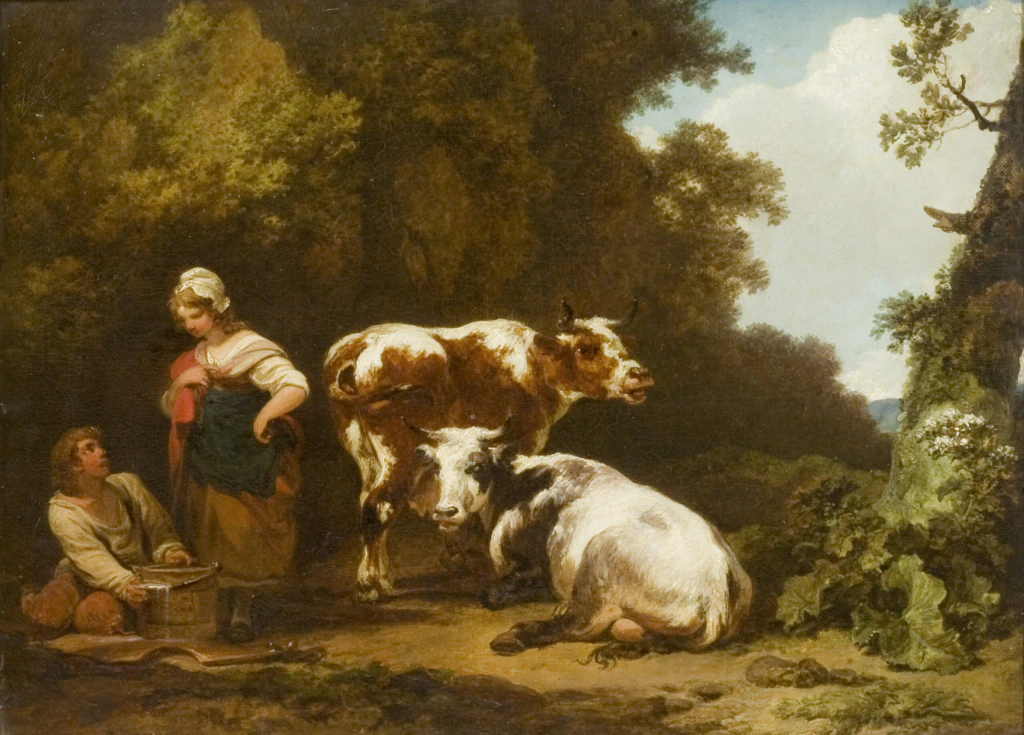
His preferences show up in his 1950s gifts to the Beecroft Art Gallery collection too, like the romanticised ‘Pastoral Scene’ of 1797, just squeezing in before Walter’s self-imposed date barrier and giving us a sense of his personal view of art that enlightened and uplifted him.
As a Beecroft Bequest Committee member for 10 years, I can say that it is an unusually joyful role amidst the current national crisis of museums’ fight for survival, let alone the acquisition of new collections. The grant itself is one of the easier pots to apply for when an object of real significance and value to audiences appears for sale. The committee’s job is simply to say yes if the criteria are met and the money allocated that year hasn’t already been spent.
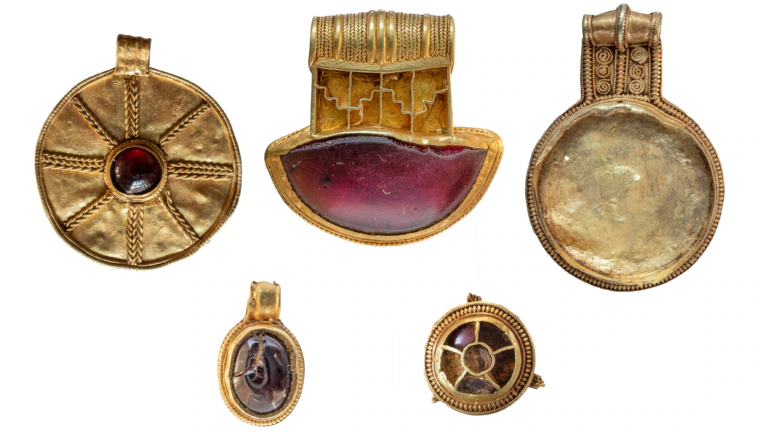
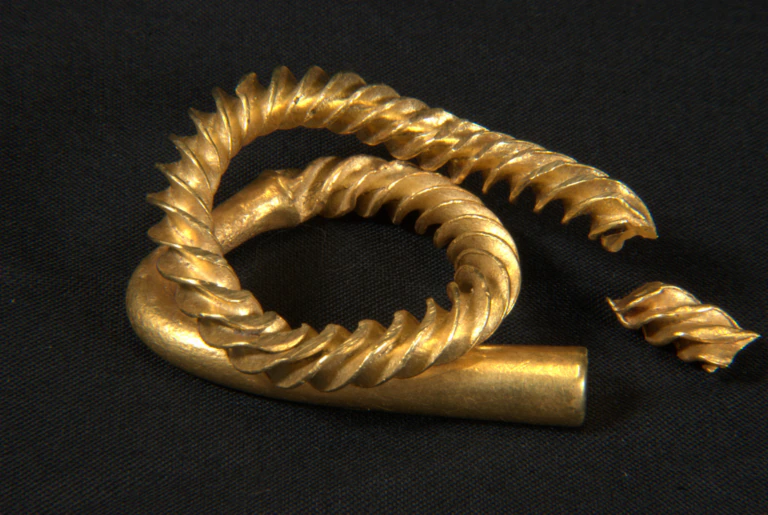
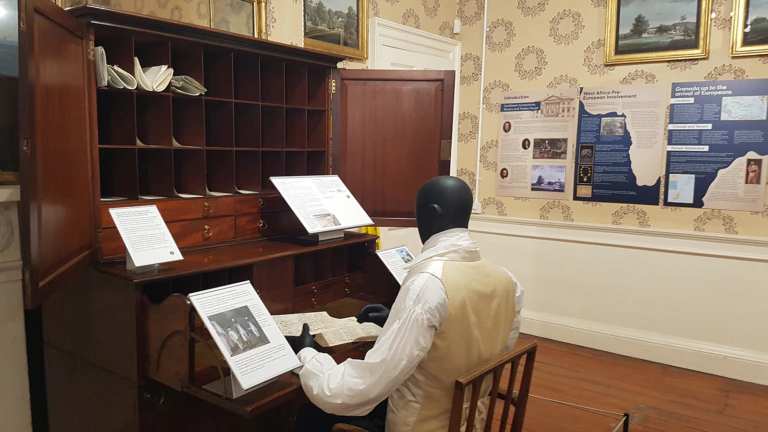
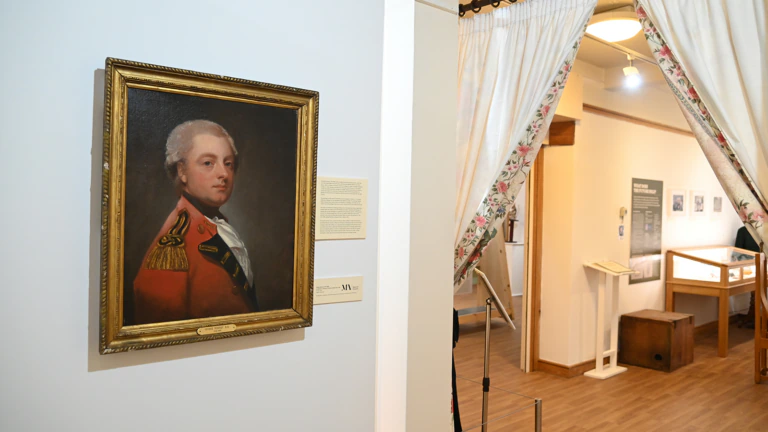
With Walter’s 1800 cut-off date intact, today’s committee members take Walter’s ‘works of art’ to their widest possible extent, encompassing fine and decorative art, furniture, textiles and archaeological acquisitions. We’ve funded Bronze Age gold torcs, Chippendale cabinets and Elizabethan gloves as well as Walter’s ‘old masters’ and portraits.
And while we insist on greater access and ethical reflection than Walter may have envisaged, all Beecroft acquisitions still fall within the spirit and the letter of Walter’s passionate and forthright wish to bring ‘temples of beauty’ to small museums across the country.
Emma Shepley is a freelance curator and museum consultant. She was a member of the Beecroft Bequest Committee from 2015 until 2025
Main image: 1950 portrait of Walter Beecroft by Wilfred R Woolcott, which is on permanent display at Beecroft Art Gallery. Courtesy of Beecroft Art Gallery, Southend Museums