The Fitzwilliam Museum’s autumn exhibition, Black Atlantic: Power, People, Resistance (8 September 2023 to 7 January 2024), will consider how Atlantic enslavement impacted and shaped the University of Cambridge’s collections.
The exhibition will be presented in the museum’s historic galleries, which have recently been tied to, and were partly funded by profits from, the transatlantic slave trade.
The development of the Black Atlantic exhibition has revealed how a significant part of the money used to found the museum was inherited from Matthew Decker, a prominent Dutch-born British merchant and financier, who in 1700 helped establish the South Sea Company, which obtained exclusive rights to traffic African people to the Spanish colonial Americas.
Decker's grandson was the museum’s founder, Richard Fitzwilliam (1745-1816). He bequeathed a large sum of money, much of which came from his inheritance, and an extensive art collection to the university upon his death. Until now the origins of the money had been ignored.
The exhibition will also highlight other discoveries about objects that the university “owns”, the people who collected them and how their stories connect Cambridge to a global history of colonialism.
Black Atlantic will display a loan from the Rijksmuseum in Holland, Jan Jansz Mostaert’s Portrait of an African Man, c.1525-30, which is believed to be the earliest individual portrait of a Black person in European art.
Advertisement
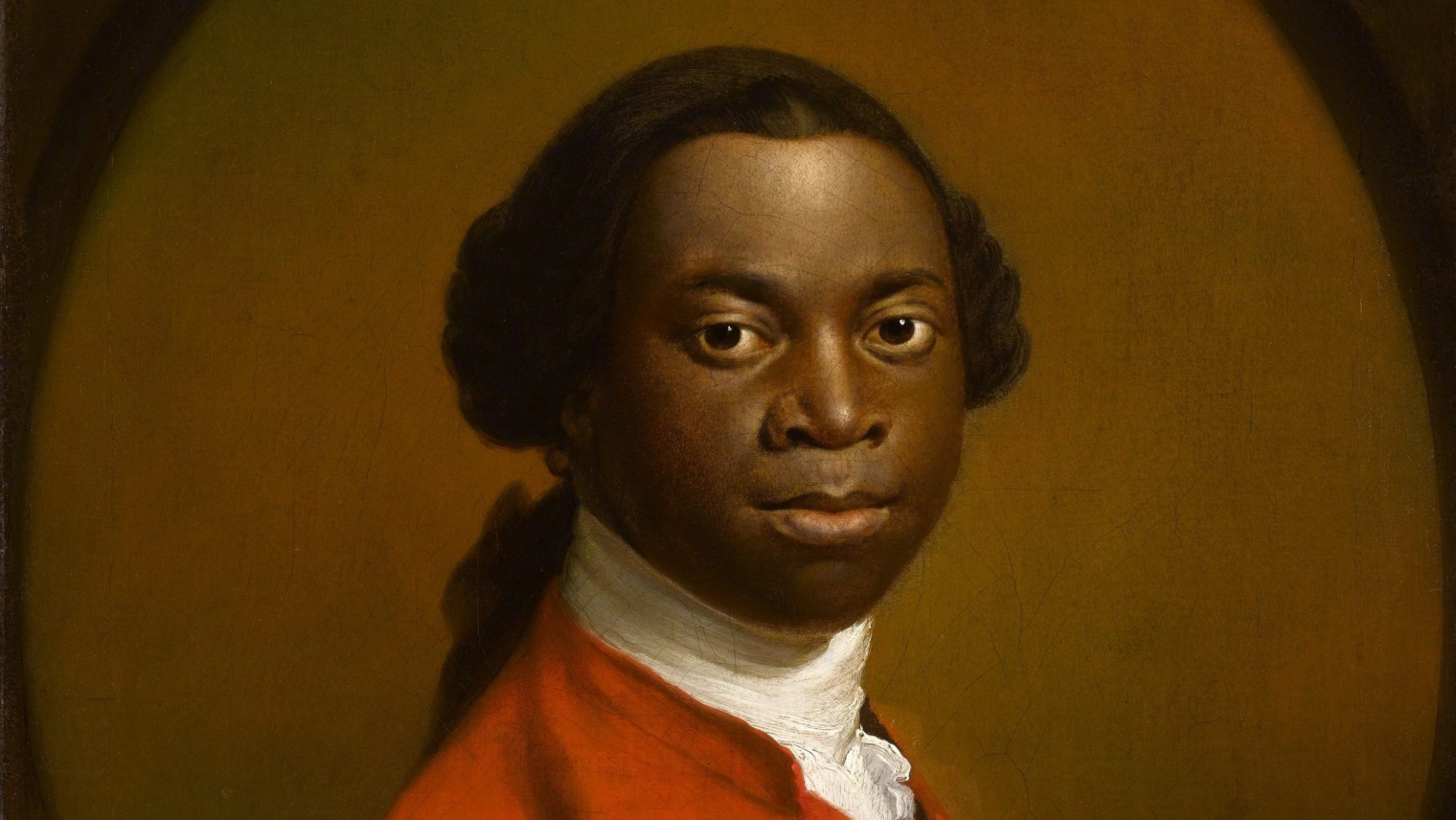
It will also display Portrait of a Man in a Red Suit, c.1740-80, which is being lent by the Royal Albert Memorial Museum and Art Gallery (RAMM) in Exeter.
Portrait of a Man in a Red Suit was formerly known as Portrait of an African until early May this year, when experts from the Courtauld Institute of Art and the Royal Academy of Arts visited RAMM to reconsider the painting’s title.
The Fitzwilliam Museum will be the first museum that RAMM lends the portrait to with its new title. The sitter and artist who created the portrait remain unknown, but "not unknowable" – something that RAMM hopes to research further.
Exeter City Council lead for culture, Laura Wright says: “This enigmatic portrait is one of the stars of RAMM’s collection, and it is important to us that the painting’s title accurately reflects the conversations around its sitter, and broader conversations about Black Britons through history. We are grateful to everyone who has contributed their time and expertise to the renaming of the piece and are pleased to now be able to refer to it as Portrait of a Man in a Red Suit.”
Fitzwilliam director and Marlay curator, Luke Syson, said: “Black Atlantic: Power, People, Resistance is an important moment in the history of the Fitzwilliam. Reflecting on the origins of our museum, the exhibition situates us within an enormous transatlantic story of exploitation and enslavement, one whose legacy is in many ways as pervasive and insidious today as it was in the 17th, 18th or 19th century.
“Our exhibition is greatly indebted to the contemporary artists whose work is featured. They have looked to the past to imagine a different future. By showing their works with significant historical objects, from Cambridge and leading institutions across Britain and elsewhere in Europe, we are rethinking our shared histories to help us consider the ways we can contribute to a better, repaired world, in which principles of equity are enshrined.”
Black Atlantic will feature works made in West Africa, the Caribbean, South America and Europe, to reveal histories of exploitation, resilience and liberation. Significant loans from museums in Paris, Amsterdam and Stockholm, and from collections across Britain, will join objects from University of Cambridge Museums, Libraries and Colleges.
Black Atlantic marks the first in a series of planned exhibitions and interventions at the Fitzwilliam between 2023 and 2026.