Cultural Visualisations
The National Windrush Museum’s (NWM) Cultural Visualisations research project was designed to put into practice NWM’s mantra of “doing museums differently” and to represent underrepresented communities.
NWM aimed to engage the Windrush community and to enhance public understanding of this historically significant group. The project included conferences, research initiatives, site visits and educational programmes. It served as an example of how museums can rethink their conventional practices to create more accessible, engaging and educational experiences for diverse audiences.
The project’s success was largely thanks to the way in which it was able to adapt as the co-produced work developed. It was particularly successful in fostering interactive engagement, integrating multimedia storytelling and nurturing community collaborations.
Though the project initially focused on a large-scale multimedia arts installation, it became clear that to build trust with participants and the wider Windrush community, and to develop collections, design production would need to take place in a second year of work.
This extended timeline gave NWM the opportunity to undertake further fundraising for the technology required for the initial research project, as well as providing time for more detailed design work to generate visuals, audio and graphics.
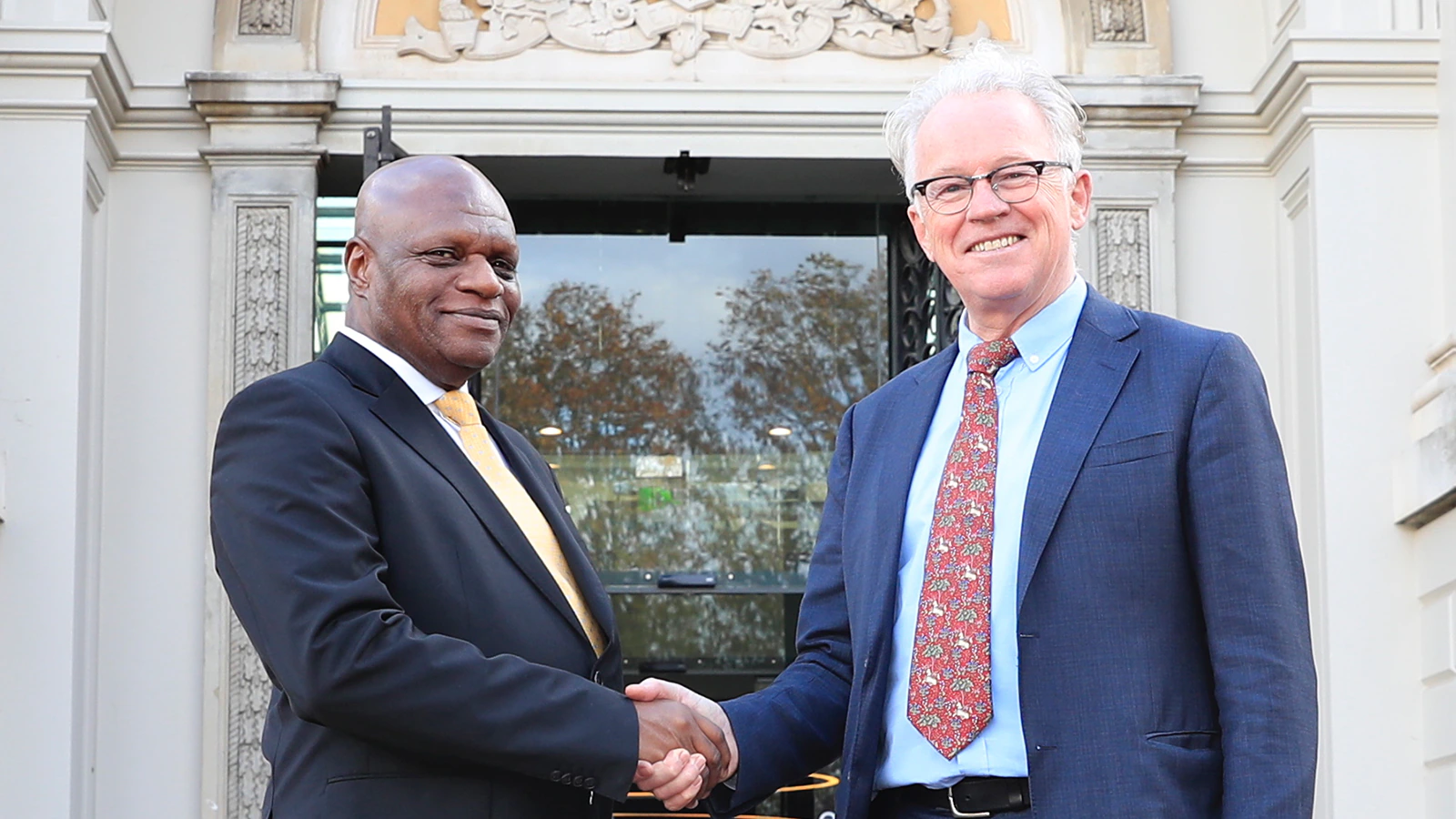
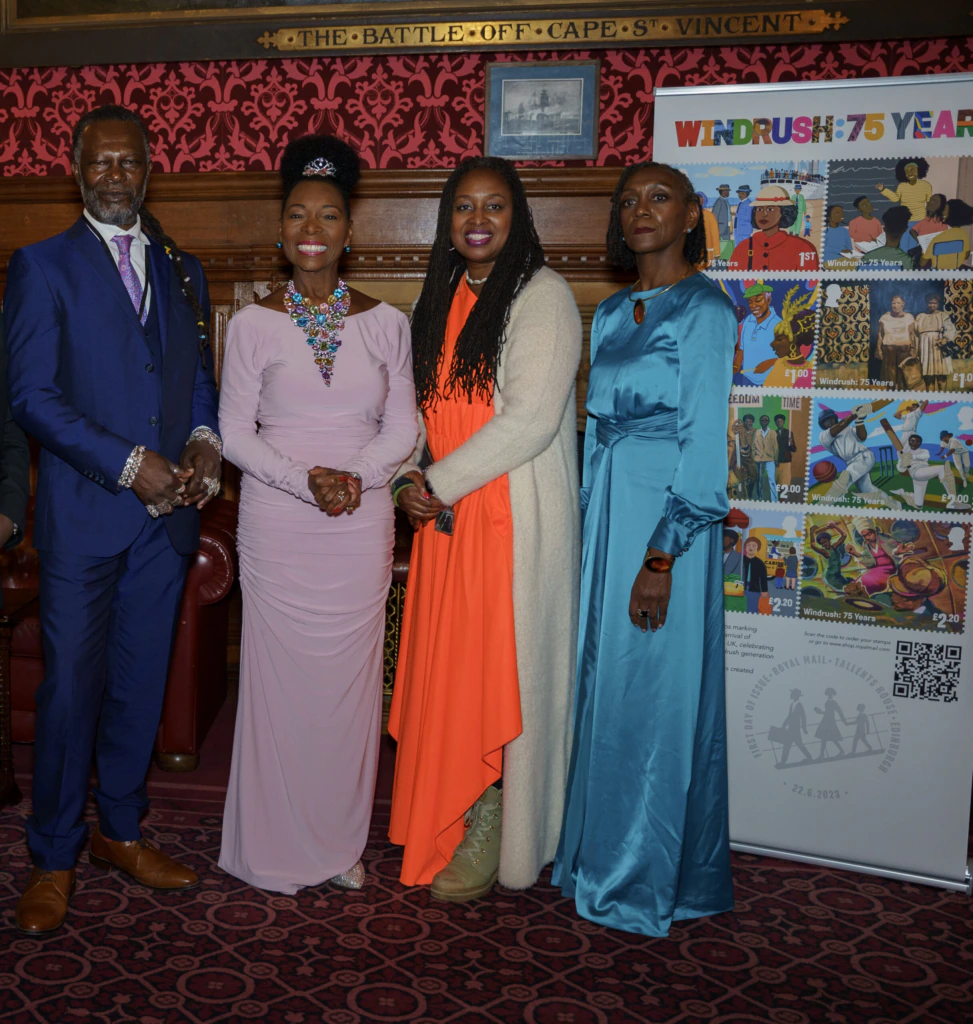
In November 2023, a memorandum of understanding between NWM and Royal Museums Greenwich was signed in the House of Lords which will see the NWM permanently housed within the Royal Maritime Museum. This is a historical development in the representation of Windrush narratives and paves the way for further research and innovation.
Takeaways
- NWM’s innovative use of cultural visualisation research techniques offers a useful model for the effective communication and preservation of cultural narratives. The museum has captured valuable insights into how underrepresented communities can amplify their stories using digital technologies by enhancing accessibility and fostering community involvement.
- Sustaining the impact of the collaborative and interactive research in this project requires continuous adaptation to both technological advancements and the evolving needs of the community.
- Building upon the trust established with key Windrush stakeholders, the initial research proposal lays the foundations for a second phase of implementation. This includes a successful grant application to the Esmée Fairbairn Communities and Collections Fund in partnership with Royal Museums Greenwich.