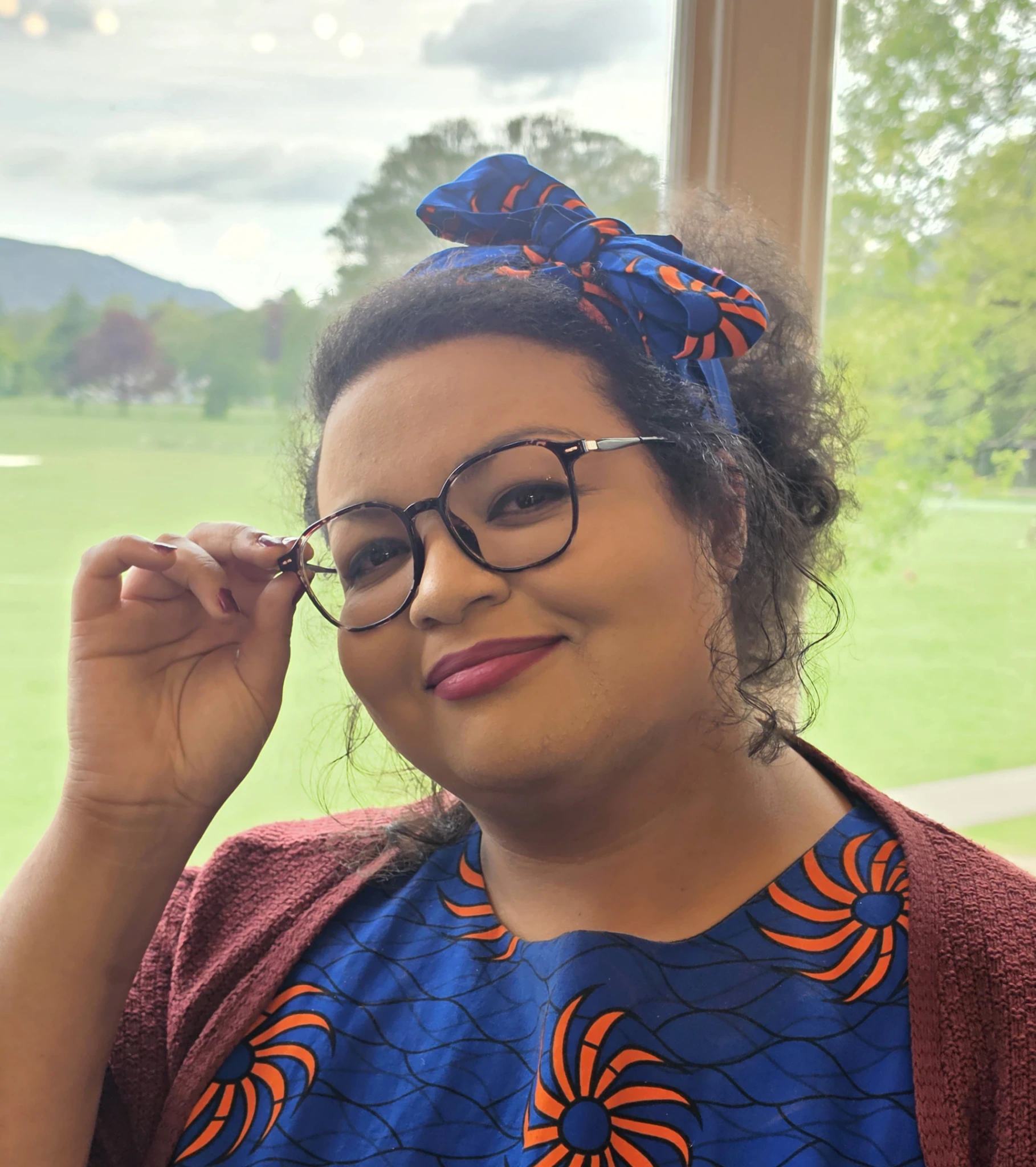
Each year we chat to freelancers and consultants in museums, heritage and culture for Freelancers’ Week, finding out how freelancing works for them and how it might work for you.
What do you wish someone had told you about being a freelancer?
One of the things I wish someone had told me about freelancing is how much invisible labour is involved. Applying for tenders, marketing your work, attending conferences, giving talks, reaching out to potential clients, and managing the day-to-day administration of running a business all take time. Emails, accounting, logistics and calendar management sit behind every project, even though they are rarely seen by others.
One of the biggest learning curves for me was understanding how to sell my skills, how to price my services, and how to build contingency into my work. I also had to learn how and when to say no to projects that I wouldn’t have capacity for or weren’t aligned with my ethics principles: anti-racism, anti-ableism and feminism.
My advice to anyone considering freelancing is to start by developing an understanding of what makes you unique. That might be a specific skill, a perspective, or lived experience. Once you understand that, think about how it can help to solve real problems in the sector. That clarity makes it much easier to build sustainable freelance work.
What should museums be doing to support the wellbeing of freelancers in the sector?
One of the biggest challenges for freelancers when working with museums is navigating unclear project scopes and expectations. In my experience, projects work best when they are genuinely collaborative. Clear goals, realistic timelines and shared expectations make a huge difference, particularly when these are mutually agreed at the start of a project.
Project creep, unrealistic feedback timelines, and pressure to deliver more than a budget realistically allows can quickly make work unsustainable – which can lead to burnout and having to drop out of the sector entirely.
This can be particularly taxing when coupled with the additional emotional labour that comes with being a person of colour working on projects about difficult and harmful histories, such as an exhibition on the colonial occupation of Haiti.
When museums acknowledge this additional burden and action care as a priority, it not only changes the wellbeing of the freelancers directly but their staff and communities too. Including a discretionary wellbeing fund within grant applications for things like counselling, social prescribing activities, or something an individual says helps keep them emotionally regulated will positively influence everyone’s work culture.
What skills do you think are most important for freelance or consultancy work?
My consultancy work relies on a combination of technical expertise and values-led practice. This includes areas such as accessibility, research, strategic thinking, digital literacy, sustainability and decolonial practice. It also requires a strong grounding in ethical practice, critical thinking and an understanding of intersectionality. Alongside these, facilitation skills and what I often describe as “compassionate honesty” are essential when working with organisations that are trying to reflect and change.
However, some of the most important skills are often the least visible. Negotiation, diplomacy, translating complex ideas, and active listening all play a huge role in consultancy work. Emotional regulation is also important, particularly when facilitating difficult conversations or navigating institutional challenges.
Equally important is understanding your own strengths and boundaries. Just because you can do a piece of work doesn’t always mean you should. Sometimes the best thing you can do is recommend another freelancer who may be better suited to the task.
Running a sustainable consultancy also requires business skills, and networking has been particularly valuable for me. Conferences and sector events can feel daunting at first, but over time they become spaces where you build relationships, share ideas and develop friendships with colleagues across the sector.
Ultimately, consultancy work is about people. Being adaptable, curious and compassionate (both towards yourself and others) helps build trust and creates the conditions for meaningful collaboration. In my own practice this often means bridging communities, governance and museum practice, and bringing an external perspective that can help facilitate constructive conversations and change.
What would you say are the benefits of working in a museum consultancy over working in a museum?
One of the biggest benefits of working in consultancy is how dynamic you get to be with both your professional development and the methods you use to approach tasks or projects in general. Your only limits are the scope of the project and your imagination.
This flexibility allows you to bring your best self to everything you do. It allows you to choose projects aligned with your values, work across disciplines and collaborate with a wide range of organisations. For me, the ability to set the terms of how and when I work is particularly important, as it allows me to work with my disability rather than pushing through it.
Working across multiple institutions also offers you insights into sector-wide challenges, solutions and strategies. Being external also creates space to ask difficult questions and identify structural issues that may be harder to see from within. It can also provide a degree of independence, allowing consultants to express critical perspectives without those views being interpreted as representing a particular institution.
What else do you need to consider when working in museum consultancy?
Working as a consultant requires quickly developing an understanding of an organisation’s context while recognising that you will never have the same depth of insight as someone working internally. It is important to avoid imposing solutions by prioritising and respecting the knowledge and working constraints of staff. The goal should be to co-create approaches that work for the people who will ultimately be implementing them.
Ethics also play an important role. Freelancers have a responsibility to be mindful of how they work both independently and on behalf of a client. This is even more vital when advising museums that work with communities or when engaging in work relating to decolonial or social justice practices. Avoiding extractive approaches and ensuring accountability to communities involved is central to any work we do.
Finally, consultants must think carefully about sustainability in their own practice. Managing workload across multiple clients, protecting time and energy, and maintaining boundaries are all necessary to ensure that freelance work remains viable in the long term.