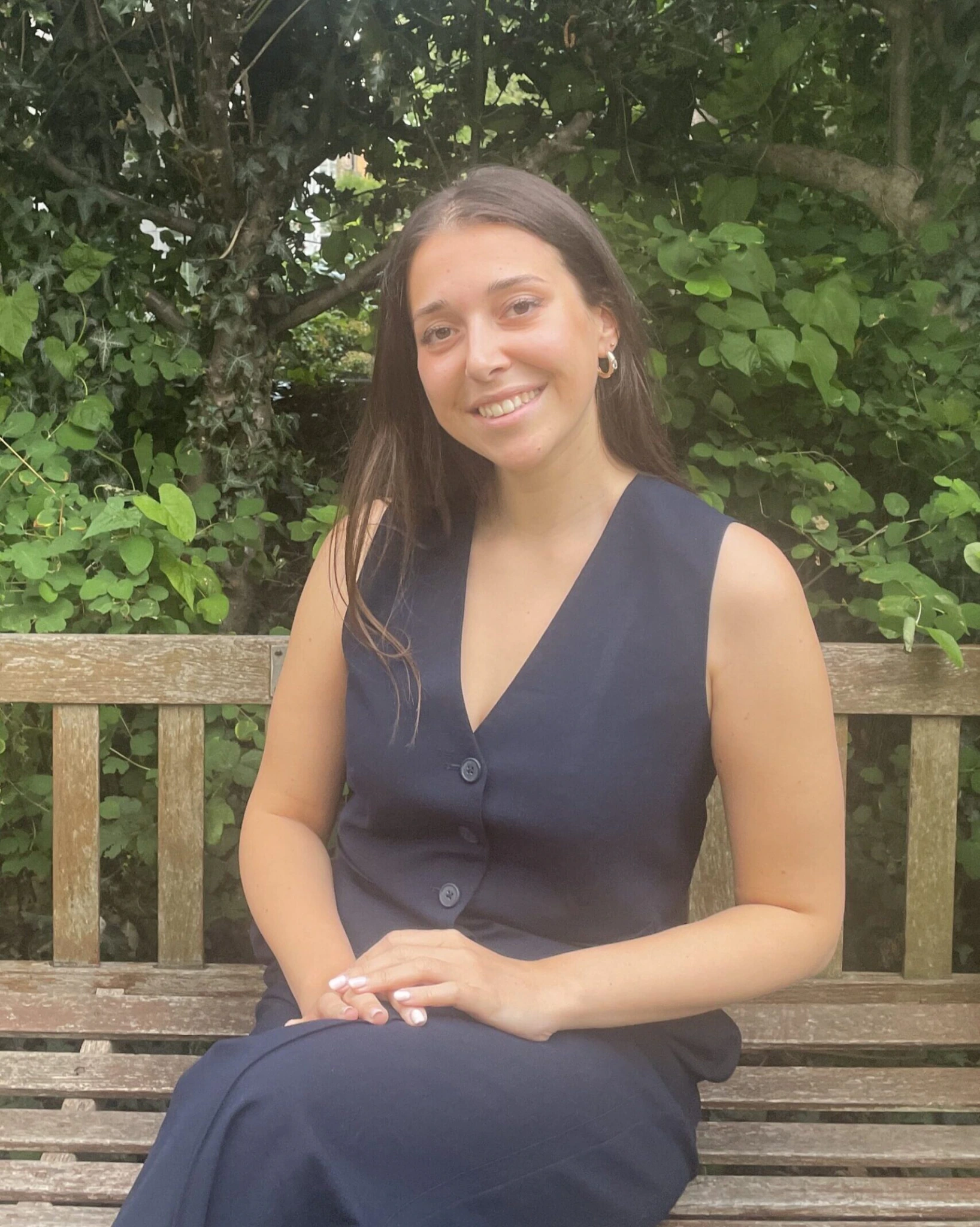
Why did you decide to become a freelancer?
I didn’t originally set out to be a freelancer. It started as a way of gaining experience in the sector, finding my feet, developing my skills and exploring where I might fit within museum learning. I had trained as a teacher and was aiming to build experience in the museum sector, particularly within a schools context.
After a period of freelancing, I moved into an in-house role for three years. While I gained confidence and delivery experience, I started to feel that there was a ceiling on how much I could contribute, learn and be exposed to.
I realised that my interests and potential were also in development and consultation, areas that were often out of reach in the roles at my level. It was a bit of a surprise to me but I felt like the honest and authentic option for me was to return to freelancing full-time – and that’s when my job satisfaction grew tenfold.
Freelancing opened up space for me to expand my skills, work with brilliant organisations and be part of projects I wouldn’t have accessed otherwise. I’ve found real excitement in the variety of work and the chance to shape my own path, focusing on projects that genuinely inspire and interest me.
Having a seat at the table, hearing my opinions valued and working alongside brilliant values-led teams gave me early exposure to leadership, creative risk and strategic thinking, all of which has been invaluable.
Perhaps in the future I’ll consider a permanent role again – but if I do, I’ll be bringing with me a wide range of experiences across a variety of differently funded organisations and a clear sense of what I have to offer. For now, freelancing continues to give me the challenge and growth I was looking for, even if I didn’t realise it at the start!
What do you wish someone had told you about being a freelancer?
I knew it wasn’t going to be easy, and I was ready for the challenge of running my own business, managing finances and tax returns and the inevitable rejection when ideas don’t align with a brief.
What I wasn’t prepared for, however, was the lack of structure around rest. When you’re self-employed and highly motivated, there’s no one to tell you to stop and at first, I didn’t. I’ve had to learn the importance of that, through pacing my work, finishing for the day at a decent time and building in more consistent holidays. It’s made a huge difference. I now have a much healthier way of working and I’m able to give my best to the organisations I work with as a result.
I’ve also had to learn what kind of working environment I thrive in. For me, it’s a balance between onsite work in museums and quieter creative development time, which gives me space to reflect and create.
What should museums be doing to support the wellbeing of freelancers?
Wellbeing for freelancers is something I’m really passionate about.
A recognition that there are different ways of working goes such a long way. Freelancers will have their own processes and rhythms and we’ll work hard to ensure that this matches up with client expectations as much as possible. Museums should embrace this.
Making space for human connection is key. Even for remote projects, I try to visit the organisation in person to better understand the collection, the audiences and the ways of working. Museums can take time to get to know us as people, having a tea and a chat about the sector in general, helping to build trust and collaboration.
It’s these small, relational moments that make projects enjoyable for both sides, not just efficient. I think this can be implemented longer term as well by inviting freelancers to team meetings, away days or social lunches.
While this has definitely gotten easier over time and freelancers are so adaptable, starting with a new client on a new project is like the first day of a new job, over and over again. We’re constantly stepping into unfamiliar places and a little orientation goes a long way.
We need some time to settle in to each new project, with new teams, systems and expectations, all of which take a little bit of time to get to grips with. We appreciate it when teams take the time to help us get the lay of the land.
Finally, building in adequate time for work really supports wellbeing and the quality of the work. Planning realistic timelines, especially with space for relationship building, iteration and feedback, makes a huge difference.
Museums that consider these factors are the museums that freelancers return to (and recommend to other freelancers)!
What skills do you think are most important for freelance or consultancy work?
Reflection is one of the most important freelance skills, learning consistently from each experience. After every project, I do a wash-up with the client but I also do a personal reflection too which helps me to understand what worked, what didn’t and how I can use the experience to grow and develop as a freelancer.
Freelancing can be isolating if you let it, so being proactive in building peer relationships is a key skill. I have a great network of likeminded self- employed colleagues in the sector I have worked with in the past, including my best friend, a self-employed costume designer. Having these connections offers different perspectives, emotional support and helps me stay grounded in a career that can otherwise feel quite solo.
Adaptability is a key skill too: being able to quickly read a room, adjust your approach and learn new systems allows you to approach each new project, client and context in the best way.
Finally, clear, consistent and collaborative communication. Communication isn’t a one-off skill, it’s a continuous strategic practice that can make or break a project. I’ve learnt that it’s crucial to check in early, especially at the ideas stage.
Before diving into development, I try to bounce initial concepts off the client to make sure we’re aligned. That way, we avoid misdirection and wasted time and it becomes a share creative process. Keeping that back and forth going throughout, not just at the start and end, builds trust, avoids surprises and leads to stronger outcomes.
You can find Francesca on LinkedIn