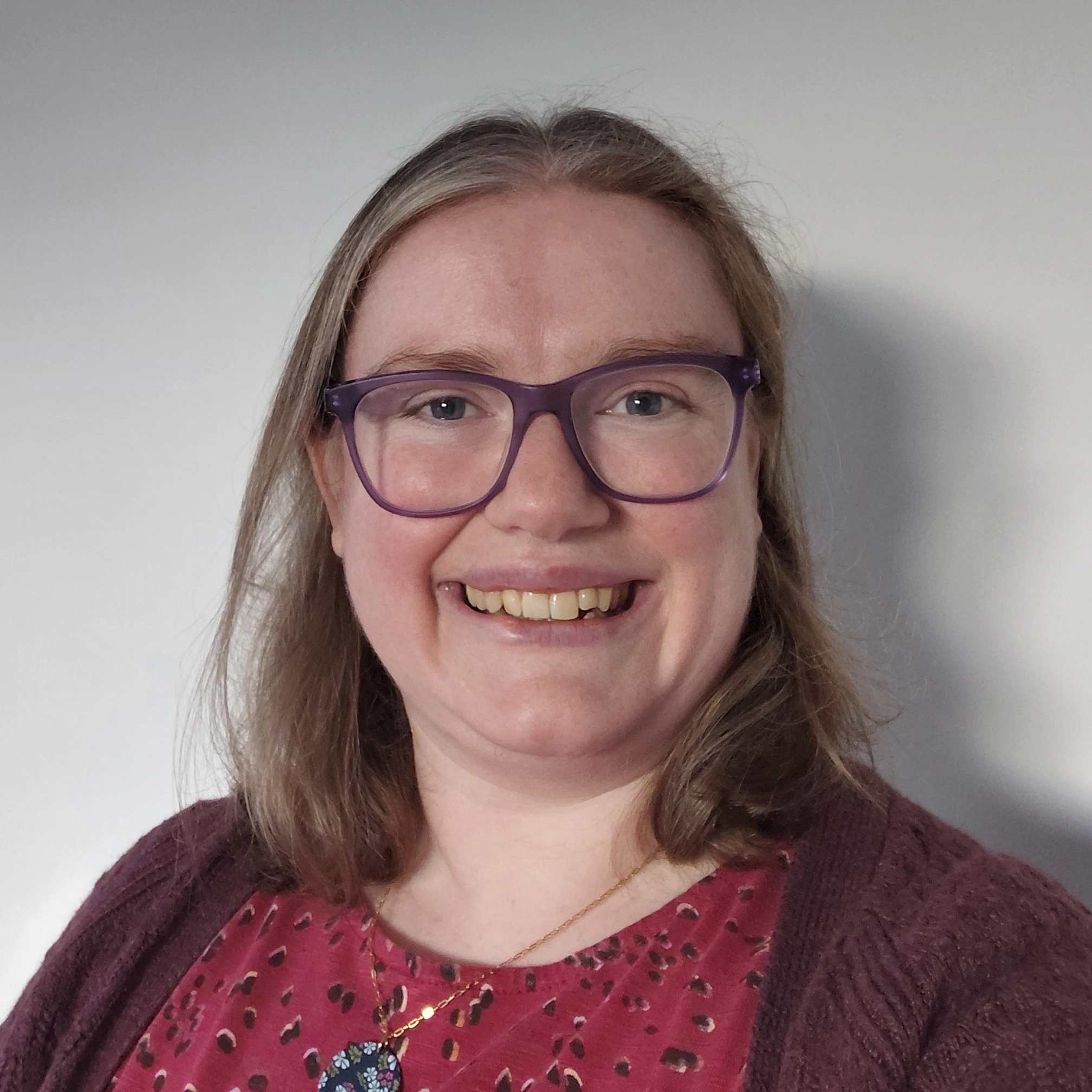
Each year we chat to freelancers and consultants in museums, heritage and culture for Freelancers’ Week, finding out how freelancing works for them and how it might work for you.
Why did you decide to become a freelancer?
I never intended to become a freelancer, but when I did it all happened quite quickly. I decided to set up as a freelancer just three days after receiving my autism diagnosis and left my employed role two months later, which looking back was very impulsive.
There were two main reasons why I decided to be a freelancer. My late diagnosis of autism was a big factor – this was a big life moment and I wanted to take time to figure out what works for me. I had essentially been working against myself for my whole life and now everyone was asking what adjustments I needed but I had no idea. I wanted to work out what support I needed as well as how I work best.
I knew I wouldn’t be able to do that if I was working for someone else, so I wanted to see if working for myself could break the cycle of burnout.
How do you find out about opportunities for freelancing?
Honestly, I have been really lucky in that the majority of my work has come from word of mouth and I have also been able to work with several sector support organisations. I don’t tend to apply for tenders as the process usually isn’t accessible for me so I don’t really look for opportunities like that. I have also found being active on LinkedIn and attending networking events has been important in helping me find work with new museums.
What advice would you give to someone who is not currently working as a freelancer or in a consultancy?
I would say not to compare yourself to other freelancers. It can be easy to experience imposter syndrome and feel like you aren’t doing well based on what you see online. What you see online is likely just the highlights, this is why I have tried to be more balanced in what I share online to acknowledge the highs and lows of freelancing.
I would also say take your time – I wish hadn’t done things as impulsively. You don’t need to do everything straight away and you can slowly build up your freelancing work at a pace that works for you.
What do you wish someone had told you about being a freelancer?
That people don’t have to have access to me all the time. This is something that someone has pointed out to me recently and I have found it really useful. When I first started out I would often be contactable at all times which didn’t create a good work/life balance. I wish someone had told me to have firmer boundaries as a freelancer from the beginning.
I also wish someone had told me how lonely it can sometimes be as freelancer – it’s important to find your network and ask for support when you need it.
What should museums be doing to support the wellbeing of freelancers in the sector?
As a disabled freelancer, I have been using an access rider to highlight to museums I work with what my access needs are and how to support me and my wellbeing. If a freelancer shares this information with you, make sure that it is followed.
Value the work and expertise of freelancers. Freelancers often have specific expertise that they can share with you to help your museum, so make sure you show that you value this work by giving credit to the freelancer involved and paying them fairly and on time.
Make sure that expectations of a project are clear from the beginning and be upfront if there are changes mid-project. This includes not expecting freelancers to do additional work without reflecting that in the budget.
A final way museums can support freelancers is by making sure wellbeing time is included in any budgets. Allowing dedicated time for wellbeing for your freelancers is important, as not working for a specific museum can mean that being able to take time for wellbeing can be difficult.