The Museum of Homelessness (MoH) has been in existence for ten years, and in that time homelessness of all kinds has reached record levels. Our community is also at disproportionate risk from the impacts of disinformation, societal polarisation, wealth extraction and the climate emergency.
This has meant that MoH has needed to respond, resourcing the community and coming up with solutions at a time of crisis. This area of our work takes two forms: direct, practical action and independent campaigning and investigations. These are written into our strategic plan, devised by the community working with the board, as two pillars of our work – We Take Action and We Fight Injustice – alongside our more ‘traditional’ museum work of collecting and public engagement.
Sometimes, rapid response work is needed. When the Home Office started making people homeless when they received their Right to Remain in the winter of 2024, we set up a responsive collaboration with Haringey Council and Haringey Welcome, a local refugee support group.
Together, we raised a community funding pot and worked to rapidly house people who were facing eviction. This scheme has provided housing to 17 people from Iraq, Eritrea and Afghanistan who would otherwise be street homeless. It is now being recognised as good practice and scaled nationally.
At other times, something slower and more detailed is needed to push for change. In the summer of 2022, temperatures in London reached 40 degrees and we were out on the streets trying to make sure people were safe in the heat.
When it cooled down, we discussed with the community, who said in their experience there wasn’t really any provision for extreme heat or extreme rain. In the context of the climate emergency this was a critical issue and we wanted to get a clear picture of what was really going on.
Advertisement
We set about building the first comprehensive data set of local authority homelessness extreme weather responses in England and Wales by sending out more than 100 freedom of information (FOI) requests. This Severe Weather Emergency investigation published its findings in 2023 and identified serious gaps in preparedness for climate change.
As a result, the UK Health Security Agency and the Greater London Authority have introduced Hot SWEP (severe weather provision in extreme heat). Our investigations are powerful and compelling because they come directly from the streets, from hostels and from what is needed on the ground.
To deliver Severe Weather Emergency, we used skills that many museum professionals have: qualitative and quantitative research skills, attention to detail, rigorous care with records and ethical storytelling. These skills have stood us in good stead in other areas of our work, such as our ongoing efforts to count, honour and memorialise people who die while homeless, and push for fewer preventable deaths.
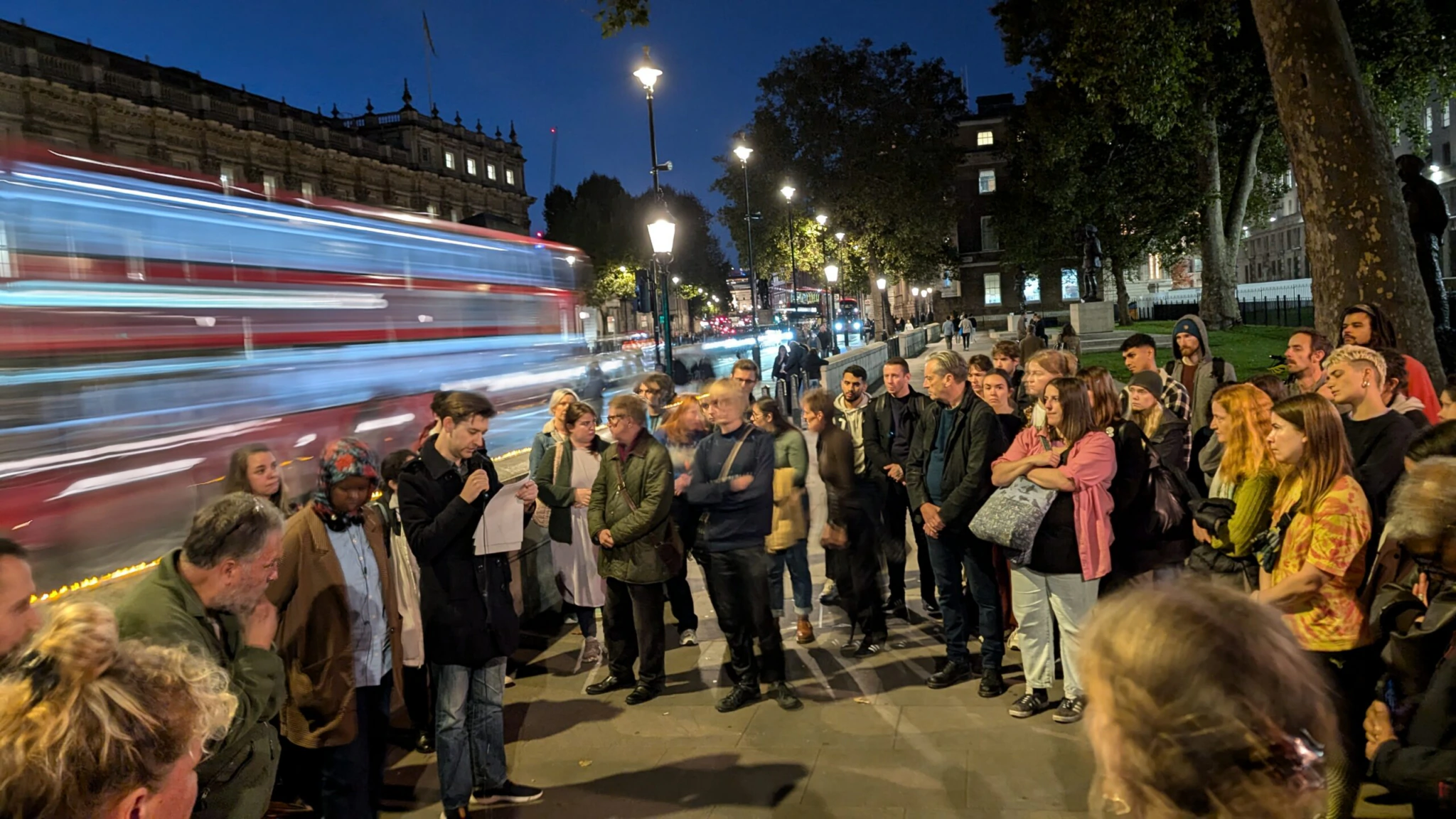
The Dying Homeless Project is the only work to count deaths in England, Scotland, Wales and Northern Ireland. It is heartbreaking but essential work. Our findings are released each October and we hold a vigil outside Downing Street.
This year the government released an extra £10m in winter shelter funding in response to our finding that there had been a 42% increase in people dying while rough sleeping. That finding also spurred us to take our own action and open the museum at our new site in Finsbury Park as an emergency shelter in extreme weather during the winter of 2024/25.
The link between the practical and the strategic is essential. For real change to happen we need to address the micro and the macro. We are in a privileged position with a supportive and progressive board of trustees and a dynamic community, who are natural change-makers. This has shaped the culture of the museum to be one where we ask what museums can do and how we can use our resources to fight for justice.
Advertisement
Museums have a lot to offer – from space, to skills, to knowledge. Deploying our own resources to try to solve the significant problems facing society has been the best thing we could have done. Our community is deeply committed to MoH, and because the museum looks after the community, the community looks after the museum.
It is not only the right thing to do, but it has improved the artistic and heritage areas of our work, too. Our social justice work infuses integrity and authenticity into our work with audiences and collections in a way that stays with people long after they visit the museum.
Jess Turtle is a director at the Museum of Homelessness, London.
Image: Museum of Homelessness vigil opposite Downing Street, remembering 1,474 people who died while homeless in 2023