Here you’ll find a library of useful tools and knowledge to help build climate action in the museum and heritage sector. The resources are listed under thematic headings:
- Audience research
- Biodiversity
- Carbon calculators
- Climate organisations
- Climate networks
- Collections
- Conservation
- Digital
- Exhibitions and interpretation
- Fundraising
- Learning and engagement
- Procurement
- Retail
- Strategies and statements
- Training
The resource bank ends with a reading list of suggestions for further research.
Audience research
Indigo: Act Green research programme
Culture sector consultancy Indigo researched audience attitudes towards the role of cultural organisations and their communities in tackling the climate crisis.
Advertisement
Biodiversity
Museums Galleries Scotland: What is biodiversity loss and how can you combat it?
Museums Galleries Scotland has a webpage dedicated to how museums and galleries can help to increase biodiversity by engaging and educating visitors as well as making their site more wildlife friendly.
Carbon calculators
Gallery Climate Coalition: Carbon Calculator
The GCC Carbon Calculator is a free online tool for estimating the greenhouse gas emissions of art organisations and projects.
Advertisement
Sustainability Tools in Cultural Heritage (STiCH) carbon calculator
The STiCH Carbon Calculator is an online lookup tool for quantifying the impacts of daily work choices. It provides a method for comparing the carbon footprint of commonly used materials, chemicals and products.
Climate organisations
Climate Heritage Network
A membership organisation with a digital network covering topics such as the role of arts, culture and heritage in decarbonisation, and promoting climate solidarity. The network has produced an advocacy guide to help heritage organisations strengthen their advocacy to a range of audiences, including peers, workplace leaders and policymakers.
Advertisement
Communicating Climate Heritage Toolkit (Climate Heritage Network)
Climate Museum UK
Climate Museum UK is an experimental museum that curates and gathers responses to the Earth crisis. A collective of creatives from across the UK, the museum organises activations to help people play, create and talk about the crisis. It opens imaginations to possible futures, and builds skills to engage others with these issues.
Climate Outreach
Climate Outreach seeks to effectively engage people with climate change, communicating the complex issue in ways that resonate with their sense of identity, values and worldview. Informed consent and support from people across society and around the world creates what they call a social mandate for climate action. They’ve released resources including:
- Theory of change – creating a social mandate for climate action, a report setting out why broad-based public engagement in climate action is so important.
- Communicating climate justice with young adults in Europe, a report on how young people across Europe understand and respond to climate justice messaging.
Culture Declares Emergency: Culture Takes Action toolkit
Culture Declares Emergency is a growing movement of people in arts and culture declaring a climate and ecological emergency. The movement pledges to tell truths, take action and seek justice.
The Culture Takes Action toolkit is aimed at practitioners and organisations in the arts, heritage and design sectors, outlining a three-stage process to develop a policy and action plan in response to the emergency.
Culture for Climate Scotland
Culture for Climate Scotland encourages and equips individuals, organisations and strategic bodies to harness the role of culture in achieving the transformational change to an environmentally sustainable Scotland.
Our Collections Matter
Launched by the International Centre for the Study of the Preservation and Restoration of Cultural Property (Iccrom), this project aims to accelerate, increase and amplify activity in support of sustainable development through use, development and conservation of heritage collections. It is aligned with the UN’s sustainable development goals and will provide practical tools and resources for collections-based institutions.
Our Collections Matter (Iccrom)
University of the Arts London (UAL): Collections Action Group
Staff working across UAL’s collections have formed a group to mobilise climate action. The group has collated resources for the museum and archive sectors on the collaborative platform Padlet, which can be hosted or updated on any website. The resources are listed under the following headings:
Fit for the Future
An environmental sustainability network that facilitates knowledge sharing and collaboration across organisations and sectors. The network’s website features a range of case studies.
Successes (Fit for the Future)
Happy Museum Project
The Happy Museum Project supports museum practice that places wellbeing within an environmental and future-facing frame, rethinking the role that museums can play in creating more resilient people, places and planet. Its website features a suite of resources and case studies.
Resources (Happy Museum Project)
The project has also produced a series of online conversations on the theme No Going Back.
Heritage Research Hub: Powering climate action through heritage policies, organisations, research and public programmes
A video exploring how cultural heritage institutions, researchers, practitioners, civil society actors and policymakers are responding to the climate emergency, and how they might achieve more integrated and radical action.
Powering climate action (Heritage Research Hub)
Julie’s Bicycle
Julie’s Bicycle is a non-profit mobilising the arts and cultural sectors to take action on the climate and ecological crisis.
The organisation has also produced the Museums Environmental Framework resource, building on the environmental practice and leadership of a vital part of the UK’s cultural sector.
Julie’s Bicycle has also launched the Creative Climate Justice Hub, a dynamic library of climate justice resources curated for the arts and culture community.
Ki Culture
Ki Culture is a global organisation dedicated to creating actionable steps to make culture and heritage a leader in moving towards a sustainable future. Ki Books offers step-by-step guides on implementing sustainable changes within cultural practitioners’ day-to-day practices, themed on waste and materials, social sustainability and energy.
Local Government Association (LGA)
As councils work to deliver net zero carbon by 2050, the LGA has launched a climate change resource hub offering an overview of the support it offers, and relevant events, publications and examples of best practice.
The LGA has also published a sustainable procurement toolkit for commissioners, procurement practitioners and contract managers to help them deliver local environmental, economic and social priorities.
Museums for Future
An alliance that unites a global community of museum professionals and cultural institutions in the fight to remain below +1.5°C of global heating. The alliance lists actions and local groups on its website.
Museums Galleries Scotland: Climate action resources
Museums Galleries Scotland has developed a range of climate action resources, including case studies and toolkits.
Climate action resources (Museums Galleries Scotland)
National Museum Directors’ Council (NMDC): Green Museums – Tackling the Climate Crisis
NMDC has produced a guide demonstrating the many different ways that museums are responding to the climate emergency. The report presents case studies from museums within the NMDC membership across three themes: research, public engagement and greening estates and operations.
Green Museums: Tackling the Climate Crisis (NMDC)
Network of European Museum Organisations (Nemo): Museums in the Climate Crisis
Published in 2022, this Nemo report details the results of a survey of museums from 38 countries across Europe on how they are addressing the climate emergency. The report outlines seven recommendations on how the sector can support a sustainable transition.
Nemo: Museums in the Climate Crisis
Climate networks
Culture for the Planet Alliance
The Culture for the Planet Alliance is a global community of practice which connects arts and cultural organisations committed to accelerating the sustainability transition of the sector, grounded in research, co-production and long-term institutional change.
Join the alliance (Culture for the Planet Alliance)
Fixing Our Broken Planet: Community of Practice
Fixing Our Broken Planet: Community of Practice is a space for museum sector practitioners across Wales, Scotland, Northern Ireland and England to develop ways to communicate the planetary emergency with their audiences and facilitate conversations to build a more hopeful future.
Hosted by the Natural History Museum, London, the community of practice exists digitally, through webinars and newsletters, and at in-person gatherings delivered with community members.
Community of Practice (Natural History Museum)
Museums 2030
Museums 2030 is a peer support network for UK museums and galleries. An informal group, hosted by the Design Museum in London, it seeks to create a platform for sharing, discussion and the development of a new best practice in exhibition-making in response to the planetary emergency.
Museums 2030 contact information form
Museums & Climate Change Network
An international community of interest that shares ideas and inspiration about addressing the challenges of the climate crisis.
Museums & Climate Change Network
Museum Freecycle
A group for UK museums to exchange exhibition build items and other museum-specific materials for free in order to reduce the environmental footprint of the industry.
Scottish Museums Climate Network
Hosted by Museums Galleries Scotland, the Scottish Museums Climate Network is a space where museum staff and volunteers can discuss all things climate and biodiversity. Designed to encourage conversation, it is a space to share ideas, challenges, events and support.
The network is on Microsoft Teams with channels dedicated to specific themes. To join, please email Museums Galleries Scotland’s Climate Officer at climate@museumsgalleriesscotland.org.uk.
Collections
National Museums Scotland: Tips for sustainable collections care
National Museums Scotland and the National Galleries of Scotland are reducing waste and carbon emissions in the care and conservation of their collections.
They share examples of experiments and successful improvements, along with a list of useful resources.
Tips for sustainable collections care (NMS)
Conservation
International Institute for Conservation (IIC): Nothing is Stable
The IIC brought together members and colleagues around the world during Cop26 to produce this film showing the work of conservators from Sudan to Egypt, UK to India and Antarctica. It demonstrates both the peril our cultural heritage faces from the climate emergency and the steps the conservation profession is taking to address it.
In addition, the April/May 2022 issue of News in Conservation focused on sustainability and climate action in conservation.
Digital
AIM and NMDC Museum Climate Hub
In collaboration with NMDC, AIM has handpicked core resources to help museum professionals with their sustainability journey at every stage.
The Digital Humanities Climate Coalition Toolkit
This toolkit is a guide to making research practices more environmentally responsible. It is geared towards digital practices, but also touches on general areas such as travel and advocacy.
The Digital Humanities Climate Coalition Toolkit
Earth Speakr report
Julie’s Bicycle has produced a carbon footprint for Earth Speakr, the artwork from Studio Olafur Eliasson co-created with children and young people from across the world. The Earth Speakr digital platform invites young people to speak up for the planet and the future they want.
Encode Muse
This University of St Andrews Impact & Innovation Fund project examines the environmental cost of digital activity in museums. You can download the three documents in the project’s toolkit:
- Mapping the Environmental Cost of the Digitisation Process – A stage by stage guide to the environmental and human costs of the digitisation process
- Guide to Carbon Calculators for Digitisation Projects in Museums – A guide to available carbon calculators, a combination of which can assist museums in calculating part of the environmental cost of their digitisation activity
- Assessing the Value of Digitisation Projects – A workbook that organisations can use to consider the value of new and existing digitisation projects against their environmental cost
The Networked Condition: Environmental Impacts of Digital Cultural Production
This piece of work explores the environmental impact of the creation and delivery of artwork using digital technology and aims to use this research to raise awareness and provide practical solutions to help mitigate these impacts.
The Networked Condition (Julie’s Bicycle)
Exhibitions and interpretation
Association for Heritage Interpretation: Sustainability and regeneration
This guide is for anyone who works with interpretation – curators, designers, architects, educators, funders, community partners, or simply audiences curious about how exhibitions and cultural programmes come to life.
Sustainability and regeneration (AHI)
Design Museum: Waste Age exhibition and Exhibition Design for Our Time guide
Waste Age was an exhibition which explored how the design industry has contributed to creating an extractive throwaway culture but also how design can – and must – help to find less wasteful ways to live and consume. The show also considered how to design exhibitions to be less wasteful.
The Exhibition Design for Our Time guide examines the opportunities for reducing impact across areas including shipping and transport, programming, design and construction, materials, communications and energy use.
Exhibition Design for Our Time (Design Museum)
Fundraising
InsightX: A guide to funding cultural institutions in the climate crisis
A guide to help institutions navigate fundraising and protect themselves against reputational damage from corporate sponsorship and fundraising, as well as donations and borrowing from private individuals.
Learning and engagement
Art UK: Climate change and environmental learning resources
Art UK, the online home for public art collections in the UK, has created a resources round-up for teachers showcasing learning resources from across its partner collections in order to raise awareness and champion change.
Climate change and the environment resources (Art UK)
Glasgow Museums: Scenes from Our Climate
A Smartify tour through the museum service’s paintings collection, to discuss the impacts of climate change and how these are reflected in the artworks.
Scenes from Our Climate tour (Smartify)
Horniman Museum & Gardens: Environment Champions Community
A community group that suggests activities people can do from home, at the museum or in their local community to help them take action in their daily lives.
Environment Champions Community (Horniman Museum & Gardens)
It Started with a Sloth: A to Z sustainability guide – educators edition
This guide is designed for education teams, outreach coordinators and programme developers.
Inspire the next generation of environmental stewards through innovative, sustainable education programmes. Discover how to create zero-waste workshops, develop community expert partnerships and design activities that teach sustainability while practising it.
A to Z sustainability guide, educators (It Started with a Sloth)
National Maritime Museum: Our Ocean, Our Planet
An online hub hosted by the museum to explore ocean issues, the climate crisis and our changing relationship with the sea. The hub combines scientific research with the latest developments in art and relevant discoveries from its collections.
Our Ocean, Our Planet (National Maritime Museum)
Natural History Museum: Urban Nature Project
Led by the Natural History Museum with partners across the UK, this community engagement project aims to give people the motivation and tools they need to safeguard nature in urban spaces. The museum is transforming its own gardens into a biologically diverse green space.
Urban Nature Project (Natural History Museum)
Network of European Museum Organisations (Nemo): Fostering dialogue in divisive times – a guide for museums regarding engagement with community forums on climate action
In an increasingly polarised world, museums hold a crucial role in fostering dialogue and social cohesion. As trusted institutions, museums can provide safe spaces for meaningful discussions on pressing issues such as climate change, ensuring that diverse voices are heard and promoting a fair and inclusive transition to a sustainable future.
This guide provides practical strategies to help museums create structured, inclusive community forums that promote participation, informed debate and collective problem-solving.
Fostering dialogue in divisive times (Nemo)
Procurement
Bristol+Bath Creative R+D: Creative Climate Action Checklist
This toolkit is aimed at small creative SMEs, organisations, collectives, businesses and freelancers to support their climate action journey. Section 5 focuses on procurement, materials and waste.
It is the outcome of a series of interviews and workshops with a broad range of small creative practitioners and businesses in the Watershed and Pervasive Media Studio community.
Creative Climate Action Checklist (Bristol+Bath Creative R+D)
Julie’s Bicycle: The journey to selecting more sustainable suppliers with Metal Culture
Julie’s Bicycle has featured a case study on its website from Metal Culture, an arts organisation that has pledged to look into the impact of its suppliers. The case study provides an approach to selecting more sustainable suppliers.
Metal Culture case study (Julie’s Bicycle)
Royal Ballet and Opera: Sustainable suppliers form and spreadsheet
Many cultural sector organisations are beginning to consider how to gather environmental sustainability information from their suppliers to support their analysis of their emissions. A small group of organisations and bodies has been brought together by the Royal Ballet and Opera and supported by Theatre Green Book to create a supplier questionnaire that can be used by anyone to gather sustainability information about any of their suppliers.
Sustainable suppliers form (Royal Ballet and Opera)
South Ken ZEN+: Greenwashing Guide
The ZEN+ Sustainable Purchasing: How to Spot Greenwashing Guide is designed to help individuals make informed decisions when encountering environmental or “green” claims.
Greenwashing Guide (South Ken ZEN+)
UK Sport: EDI and sustainability procurement guide
UK Sport has produced this guide to set out its expectations of suppliers and its commitment to EDI and sustainable procurement. The guide includes an EDI and sustainability questionnaire that must be completed to a satisfactory standard for any for company to be considered for any quote or to tender for a UK Sport contract.
While this guidance is not museum sector specific, it provides a useful framework for museums.
Retail
National Maritime Museum
The National Maritime Museum features a page in its online shop dedicated to sustainable products.
Strategies and statements
Arts Council England
ACE’s 2020-30 strategy, Let’s Create, embeds environmental responsibility as one of its four key investment principles. There is an Investment Principles Resource Hub that brings together all of the resources ACE has developed to help organisations embed the principles across their work.
- Essential read: Environmental Responsibility (Arts Council England)
- Investment principles: Environmental Responsibility (Arts Council England)
Arts Council England and the Design Council have produced a design guide for capital projects setting out the key principles for the development of cultural buildings. The guide features a chapter on sustainability.
Building excellence in the cultural sector (Arts Council England)
CIMAM: Bizot Green Protocol
The Bizot Green Protocol facilitates organisations committing to environmentally sustainable practice across all areas of museum activity. The refreshed 2023 version of the protocol includes science-based guiding principles, climate control guidelines, and a set of accompanying handbooks. The resource offers scientific evidence, museum testimonials and practical tools to facilitate its seamless adoption and implementation.
The Bizot Green Protocol (CIMAM)
Brunel Museum: Sustainability statement
A statement outlining the steps Brunel Museum is taking to tackle the climate emergency.
Sustainability at the Brunel Museum (Brunel Museum)
Cornwall Museums Partnership: Green Guide for Heritage Organisations
A guide containing quick, easy and low-cost actions for heritage organisations that want to tackle the climate crisis together. The guide has been researched, developed and produced by a group of emerging professionals who make up the Green Museums Collective.
Green Guide for Heritage Organisations (Cornwall Museums Partnership)
Glasgow Women’s Library
The library has published a Net-Zero Handbook, a practical plan setting out the changes it will make to its building to reach “operational net zero” by 2030.
Net-Zero Handbook (Glasgow Women’s Library)
Historic England: Developing a Decarbonisation Plan
This guidance supports cultural and heritage organisations responsible for historic buildings in navigating the processes and steps involved in decarbonising their buildings to meet their net zero targets.
Developing a Decarbonisation Plan (Historic England)
It Started with a Sloth: A to Z sustainability guide – institution edition
This guide is designed for directors, facility managers and operations teams.
It includes 26 proven strategies covering everything from adaptive reuse of spaces to zero-waste goals. Learn how to implement renewable energy systems, create biodegradable material policies and develop community partnerships that amplify sustainability messages.
A to Z sustainability guide, institutions (It Started with a Sloth)
Leeds Museums & Galleries
Leeds Museums & Galleries has an Environmental Sustainability Policy, and also lists examples and ambitions setting out how it intends to meet Leeds City Council’s environmental policy challenges across all of its sites.
Environmental Sustainability Policy (Leeds Museums & Galleries)
National Archives (UK)
To coincide with Cop26, the National Archives held an event exploring the role of archives and the cultural heritage sector in supporting sustainability. Recordings of the event are available online.
Archives supporting environmental sustainability (National Archives blog)
The National Archives has also published information on its energy, environment and sustainability.
National Museum Directors’ Council (NMDC): UK Museum Cop report
In October 2023, NMDC held a Museum Cop event at Tate Modern. The aim of Cop was to secure consensus across museums on urgent action to decarbonise the sector and mitigate the impacts of the climate and biodiversity crises. Following the event UK museum leaders issued their first ever joint commitment to collective action.
The full report is available on the NMDC website, including the presentations and panel discussions on the day as well as results from live voting by attendees in response to questions on critical issues and proposals for collective action.
Natural History Museum: Strategy to 2030
The museum’s strategy sets out the part it will play in tackling the planetary emergency as a global scientific and cultural institution.
Strategy to 2030 (Natural History Museum)
Network of European Museum Organisations (Nemo): Climate protection in museums guidelines
These guidelines, published by the Nemo Sustainability and Climate Action
Working Group, aim to empower museums to participate actively in the pressing global issues of climate change and sustainability. The document includes a checklist and provides concrete solutions, from initiating climate impact assessments to integrating sustainability into working mechanisms and educating on climate change.
Climate protection in museums guidelines (Nemo)
Radical Ecology: A Framework for Environmental Justice
A Framework for Environmental Justice is a report that reflects two years of conversations held under the banner of the Black Atlantic Innovation Network (BAIN) – co-convened by Radical Ecology and the UCL Sarah Parker Remond Centre.
Radical Ecology has explored developments taking place in siloed strands of work including equality, diversity and inclusion (EDI), sustainability and decolonisation, identifying common objectives and challenges as well as best practices that shine through across the UK cultural and heritage sectors.
They have further considered that when seen not as separate siloes but as a unified whole, this work begins to reveal what they call a framework for environmental justice – a joined-up strategy for facing the future from the heart of our cultural institutions.
A Framework for Environmental Justice (Radical Ecology)
The Shift Project: Implementing Digital Sufficiency series
The Shift Project is a French thinktank advocating the shift to a post-carbon economy. This ongoing series of reports sets out a vision for designing digital practices and infrastructures that are resilient and sustainable.
Deploying digital sobriety (The Shift Project)
Training
Group for Education in Museums (GEM): Environmentally Responsible Learning Practice
This three-week online course is focused on developing environmentally responsible learning programmes in a museum and heritage learning context.
Environmentally Responsible Learning Practice (GEM)
Museums Development North: Carbon Literacy Courses
A Carbon Literacy Course will give you an understanding of what climate change is, the scale of its effects, and how museums fit into the global, national and local picture to address climate change.
This course is for volunteers and paid staff who work across all service areas from Accredited Museums or those working towards Accreditation in England.
Carbon Literacy Courses (Museum Development North)
Museums Galleries Scotland (MGS): Climate and Nature Planning Course
This one-day facilitated course is offered as part of the MGS Museum Futures programme.
The Climate and Nature Planning course helps museums and galleries to embed planetary action into their existing organisational plans.
Climate and Nature Planning Course (Museums Galleries Scotland)
Reading list
Art and Ecology Now, Andrew Brown, Thames & Hudson, 2015
Artwash: Big Oil and the Arts, Mel Evans, Pluto Press, 2015
Bending the Curve: Climate Change Solutions, edited by V Ramanathan, University of California, 2019
Climate Change and Museum Futures, Fiona R Cameron and Brett Neilson, Routledge, 2017
Curating the Future: Museums, Communities and Climate Change, edited by Jennifer Newell, Kirsten Wehner and Libby Robin, Routledge, 2016
Environmental Sustainability at Historic Sites and Museums, Sarah Sutton, Natural History Book Service, 2015
Evolving Climate Change Policy and Museums, Henry McGhie, Museum Management and Curatorship, 2020, vol. 35, no. 6, pp. 653-662
Living with the Anthropocene, edited by Cameron Muir, Kirsten Wehner and Jenny Newell, NewSouth, 2020
Museum Activism, edited by Robert R Janes and Richard Sandell, Routledge, 2019
Museums and Societal Collapse: The Museum as Lifeboat, Robert R Janes, Routledge, 2023
The Green Museum: A Primer on Environmental Practice, Second Edition, Sarah S Brophy and Elizabeth Wylie, AltaMira Press, 2013
The Sustainable Museum: How Museums Contribute to the Great Transformation, Christopher J Garthe, Routledge, 2022
The Uncertainty Handbook, Adam Corner, Stephan Lewandosky, Mary Phillips and Olga Roberts, Bristol: Bristol University and Oxford: Climate Outreach, 2015
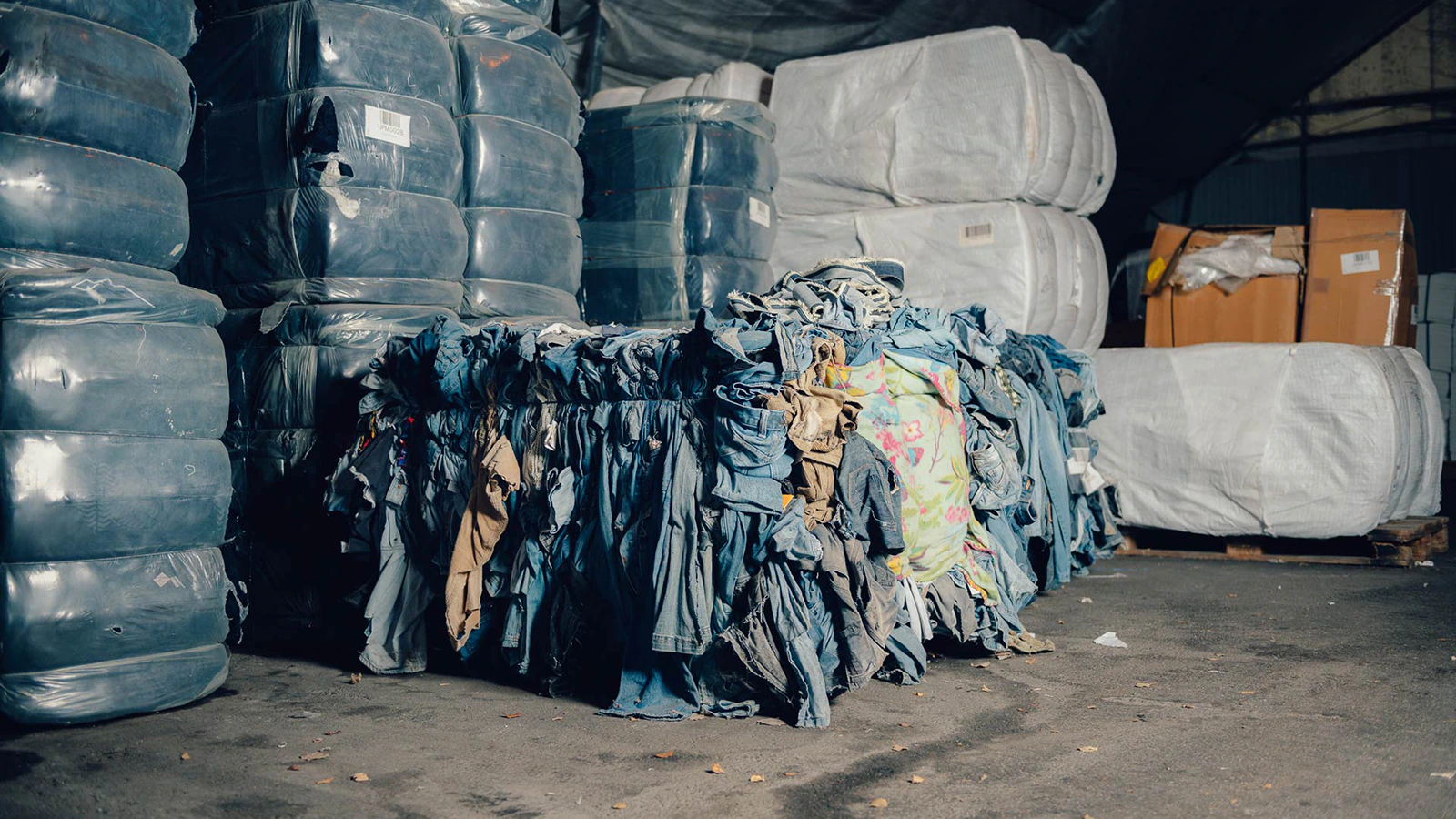
Head image from the Waste Age exhibition at the Design Museum, copyright Alexander Donka