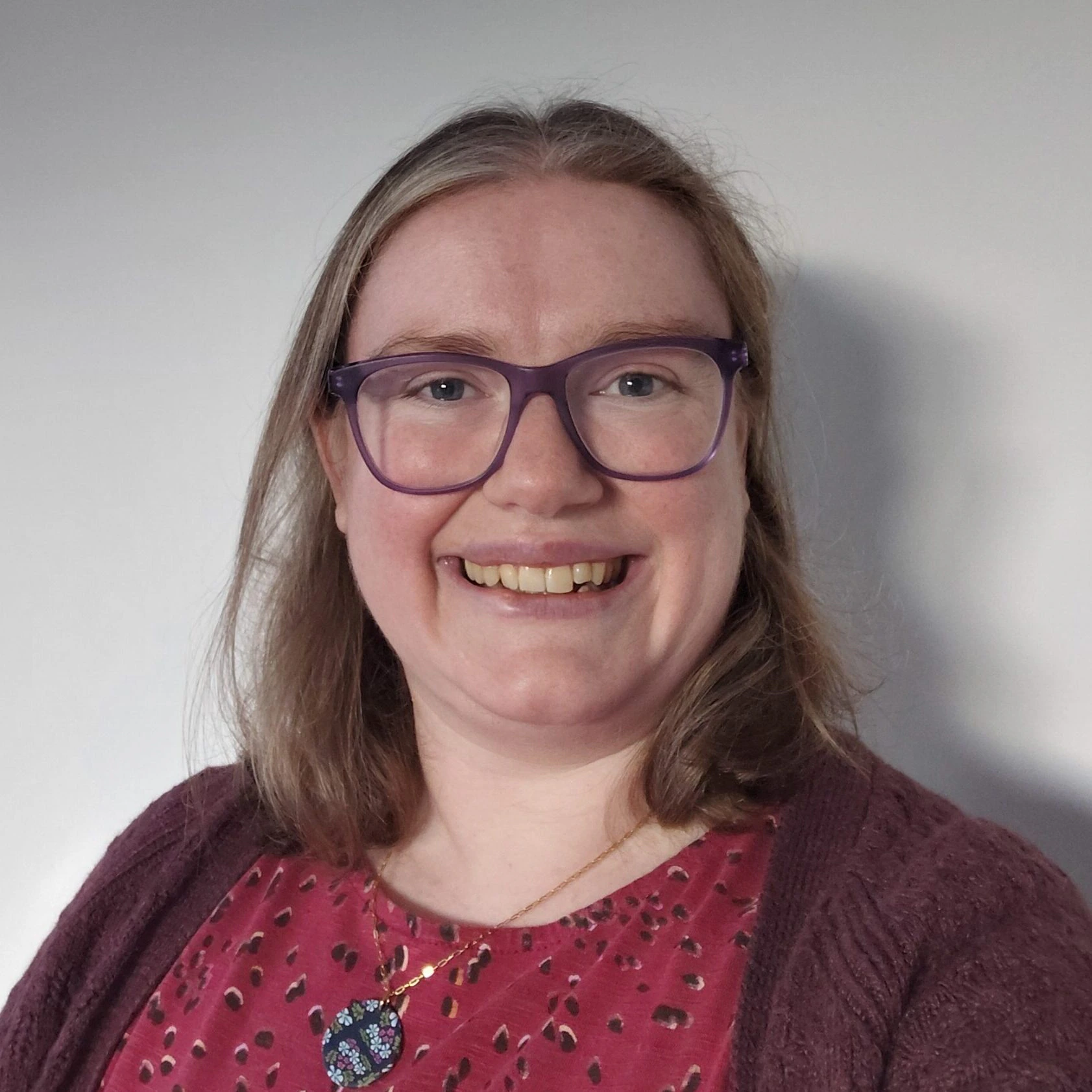
Earlier this year, I was involved in co-facilitating the discovery discussions as part of the Museums Association’s wellbeing and ableism research.
Making sure that the lived experience voice of disabled and neurodivergent people working within the sector is heard is something I am passionate about, and I’m aware that it doesn’t happen often.
Hearing the experiences of those who so generously shared with us highlighted the areas where change is so desperately needed. However, as someone who has also experienced their fair amount of ableism within this sector, I am sadly not surprised that this is the reality for the disabled people working in this sector.
During this research, it was a pleasure to work alongside Tamsin Russell to make sure that disabled people were able to attend the discussions and contribute in a way that was meaningful to them. Not just by them having to share individual access needs, but by embedding accessibility from the start of the process and being flexible where needed.
Considering this research was also focused on wellbeing, it was noted how much emphasis was put on my own wellbeing as a facilitator. I was able to share my access rider from the start of this work; we met to discuss how we would work together and wellbeing check-ins became an integral part of our time working together.
The experiences of those who participated the discovery discussions in many ways echoed my own experiences of ableism within the sector. I understand the impact of not having reasonable adjustments put in place, having neurodivergent traits be used against you at work and having to fight against inaccessible systems, including grievance procedures.
I, like many other disabled people working in this sector, am also now a freelancer due to the ongoing ableist practices within the sector.
Advertisement
I also know first-hand, from my own work as an access consultant, how much emphasis is put on visitor accessibility, with accessibility for staff, volunteers and freelancers sidelined or forgotten altogether. As the participants rightly pointed out, this serves to make access feel like a tokenistic practice.
Being involved in this work has given me hope for change for disabled and neurodivergent people working in the sector, both now and in the future. This is a timely reminder to the sector that we shouldn’t just be focusing on visitor access but accessibility for staff, volunteers and freelancers too.
Emily Elsworth is an access consultant