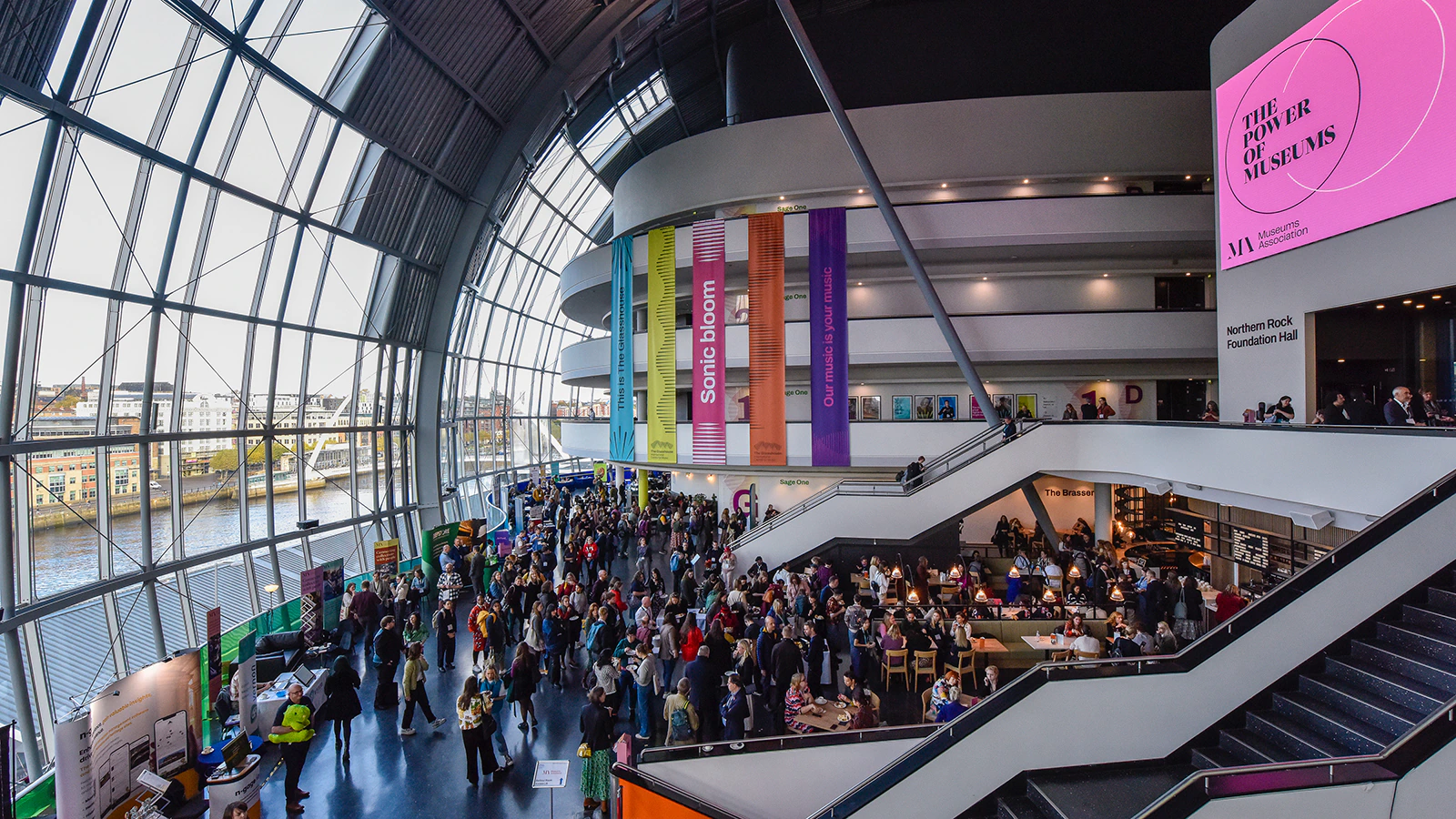
The Anti-racism and Decolonisation Steering Group supports and develops the MA’s anti-racism and decolonisation work. Building on a strong track record of advocacy, campaigns and programmes, the steering group brings together and takes forward our UK-wide initiatives in these areas.
The purpose of the steering group is to:
- Offer strategic oversight and scrutiny that unites the MA’s campaigns and programmes in these areas.
- Challenge the MA and develop ideas to make positive change in the UK museum sector.
- Represent this influential, expert group to stimulate debate and raise the profile of anti-racist and decolonising work across the UK (steering group members will not represent the MA).
Find out more about the steering group members below.
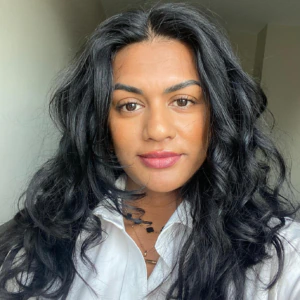
Hasina Dabasia
Group chair and Engagement and Participation Producer, Wellcome Collection
Hasina is one of the engagement and participation producers at the Wellcome Collection and chairs the Anti-racism and Decolonisation Steering Group.
Advertisement
In her seven years at Wellcome, Hasina has designed programmes that connect communities, culture and research through exhibitions, events and participatory projects. She brings over a decade of experience in public engagement, organisational change and equity-focused practice. Her work foregrounds perspectives of Deaf, disabled, neurodivergent and racially minoritised communities, ensuring engagement is accessible, collaborative and shaped by lived experience.
Hasina has led anti‑racism research, redeveloped organisational tools for equitable collaboration, and delivered large‑scale public programmes that explore health, social justice and communities. Her approach is rooted in building equitable relationships, community collaboration and a commitment to shifting how cultural institutions share power.
She also serves as a board member for the Museums Association, contributing to strategic oversight, governance and sector‑wide initiatives that strengthen inclusion and representation. Her career spans youth development, LGBTQ+ inclusion, safeguarding, community engagement and international participatory work, all of which inform her belief that cultural institutions must build trust, share decision-making and recognise the expertise held within communities.
In all her roles, Hasina advocates for museums and organisations to act with transparency, accountability and courage, ensuring historically marginalised voices shape the stories, policies and future of the sector.
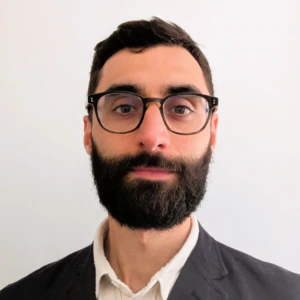
Pardaad Chamsaz
Head of European Collections, British Library
Pardaad is head of European collections at the British Library, where he leads a team of curators who manage printed material from across the continent. The team ensures the collections hold publications from mainstream and marginalised authors, in the major and the lesser-spoken regional languages, from places in conflict, and from diaspora communities, to develop a truly universal and representative collection.
Advertisement
Pardaad has been integral to the British Library’s anti-racism and decolonising activities, chairing the Cultural, Racial and Ethnic Diversity Network and the Decolonising Working Group, before leading the Inclusive Metadata project as part of the Library’s Race Equality Action Plan.
In the latter role, Pardaad developed a toolkit for inclusive description, conducted the first audit of outdated and potentially offensive catalogue records, and set up an internal community of practice that continues to join up thinking around inclusive description and curation across the institution. He is the author of the chapter ‘Towards decolonising the British Library’ in the publication Narrative Expansions.
Previously, Pardaad spent years as a curator in European collections at the British Library, working also on community projects and exhibitions, most recently Unearthed: The Power of Gardening.
Pardaad said: “The museum sector has stayed the course through the political storms around EDI work. We now have an opportunity to be confident and normalise inclusive, anti-racist and decolonial practice as just simply part of what all cultural institutions have to do to stay relevant, connected, and accessible. We have a wealth of expertise and inspiring resources at our disposal, created by the hard work and collaboration of many, with the support of the MA. It’s time to empower every organisation, collective and practitioner to embrace and embed that best practice.”
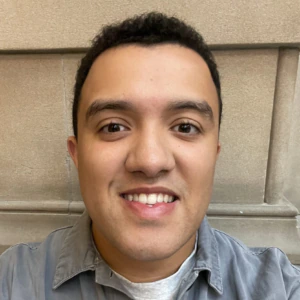
Nelson Cummins
Curator of Legacies of Slavery and Empire, Glasgow Museums
Nelson Cummins is the curator of legacies of slavery and empire at Glasgow Museums. In this role he is responsible for exploring how the histories and legacies of transatlantic slavery and the British Empire impact Glasgow Museums and the wider city of Glasgow.
Advertisement
Nelson was one of the project curators on Glasgow – City of Empire, a permanent display opened in November 2023 which examines the legacies of colonialism and how they have shaped the Glasgow. The display opens up conversations about slavery, exploitation, oppression, resilience and resistance.
Drawing on the collections of Glasgow Life Museums, the display combines historic and contemporary objects to explore how we can better address the histories and legacies of transatlantic slavery and British colonialism.
Previously Nelson worked as the community and campaigns officer at the Coalition for Racial Equality and Rights (CRER), where he was responsible for coordinating their work on Black history, including coordinating programming for Black History Month Scotland in 2021 and 2022. He was also one of the community curators who worked on the Hunterian's Curating Discomfort interventions.
Nelson said: “Much of modern-day racism is a legacy of transatlantic slavery and empire. As institutions that have often benefitted from these histories, museums have a key role to play in anti-racism work in the present. Addressing the legacies of transatlantic slavery and empire benefits us all in supporting the creation of a more equitable society.”
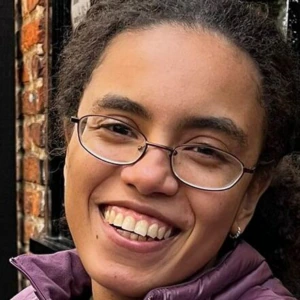
Elesha-Joy Davis
Collections Officer, MonLife Museums (Monmouthshire County Council)
Elesha-Joy works at MonLife Museums in south Wales on projects involving collections rationalisation, disposal and decolonisation.
Her involvement in a recent collections project introduced her to the practicalities of doing decolonisation work. While writing a gallery panel discussing the transatlantic slave trade and colonial domestic goods, she thought deeply about how to avoid causing shame or distress in her readers without downplaying the horrific nature of what had happened.
She wanted people to ask questions, deepen their perspectives and consider how contradictory ideas can exist at the same time. These values and aims shape her decolonisation practice, underpinned by a deep desire to make complex concepts accessible to all.
Elesha-Joy has enjoyed opportunities to speak about this work, co-speaking at the Collections Trust’s ‘It’s good to share’ conference and the Conservation Matters’ Wales conference in 2023. She was also lead writer of a report about decolonising collections work at MonLife.
As the British-born granddaughter of Jamaican immigrants, Elesha-Joy is particularly interested in how we tell the stories of Black people in the UK.
Elesha-Joy said: “I’m interested in how museums, especially small museums, can take practical steps towards decolonising their collections and explaining this work to the public in a way that is approachable, clear and engaging.”
Sally Parekh
PhD candidate exploring the relationship between people of African heritage and the museum and higher education sectors
Sally is a PhD candidate exploring the relationship between people of African heritage and the museum and higher education sectors. Her research has allowed her to highlight overt and uncover covert discrimination in those fields. She has been an anti-racism advocate for much of her career and she has a strong understanding of the advantages and limitations of the equality, diversity and inclusion agenda.
She has worked in a variety of museum roles at several organisations, including Dulwich Picture Gallery, the Mall Galleries, the V&A and the Royal Academy, giving her a good insight into the reality of working practices in both independent and national cultural institutions.
Sally has managed projects in equality, diversity and inclusion (EDI) at Tribal Education, the Campaign for National Parks and Imperial College London, developing her knowledge of the barriers and facilitators faced by minority ethnic groups.
Sally said: “Decolonisation is a long-term process that should include the voices of marginalised staff and meaningful co-production with diverse participants from the communities where museums are situated. Anti-racism is not a new initiative, but an ongoing process of challenging the status quo, and has the potential to offer new perspectives and create positive change across the sector.”
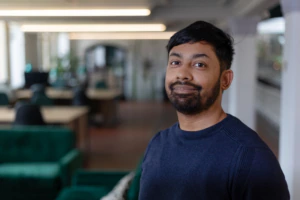
Barinur Rashid
Secondary Science and Post-16 Learning Co-ordinator, Manchester Museum
Barinur is the secondary science and post-16 learning co-ordinator at Manchester Museum. He has 15 years of equality, diversity, inclusion (EDI) and anti-racism experience, gained from from working with different communities, educational establishments and museums in various roles. Throughout his career he has driven and supported the development of and commitment to culture and heritage, modelling successful practices and effective partnership work both in venues and the community.
Through his work he has developed extensive knowledge and experience of embedding EDI practices in museum and heritage organisations. Working in diverse communities has given him a detailed understanding of providing advice, brokering relationships and engaging in advocacy.
Barinur has also designed and delivered organisational change programmes, working for schools, colleges, local authorities, higher education institutions, museums, galleries and race equality partnerships. He has advised local and national government ministers on race equality and has contributed to race equality reports, and is currently co-chair of the social justice and BAME staff network for the University of Manchester.
Barinur said: “Growing up in a disadvantaged background with lived experience of racism, I have experienced how structural racism can affect the lives of people of colour. That is why I am passionate about anti-racism work and trying to dismantle structural racism.”
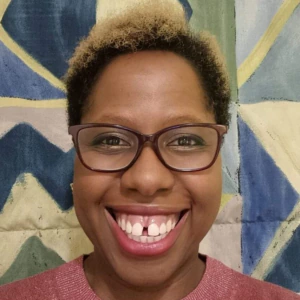
Taniah Simpson
Head of Collections, CV Life
Taniah Simpson is head of collections at CV Life, where she oversees the collections and archives teams working across the Herbert Art Gallery and Museum, Coventry Transport Museum, Coventry Archives and Lunt Roman Fort. She is currently working with colleagues to decolonise collections and ensure the museum spaces are welcoming and inclusive.
Previously Taniah was the collections services manager at National Museums Liverpool, where she spent three years leading the multidisciplinary collections services team. Over the last 16 years she has worked in a range of museums in different roles across collections and beyond, including Birmingham Museums Trust, the British Museum, the Ashmolean Museum and Warwickshire Museums Service.
Following an undergraduate degree in design crafts at De Montfort University, Taniah undertook a positive action placement, starting her career in museums. The scheme was established to create a more diverse workforce and gave her experience of working in the sector. In subsequent roles she developed her understanding of museum practice and museums' colonial structures, which contributed to her lived experience as a person of a global majority group working in the heritage sector.
Taniah recently served seven years as a trustee at Collections Trust, the sector support body which helps museums in their work to connect audiences and collections.
Taniah said: “As a member of the global majority, I’m really pleased the MA continue their commitment to support museums to be anti-racist and to continue the important work to decolonise museums. There is more work to be done and museums have the power to bring people and communities together, reflecting and representing the communities they serve, helping to create welcoming inclusive spaces for everyone, and helping to create a positive sense of self.
“I’m really pleased to have been asked to support the MA’s ongoing work as steering group member and look forward to continuing this work.”
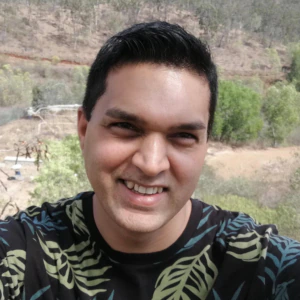
Daniel Trivedy
Artist, educator and cultural producer
Daniel Trivedy is an artist, educator and cultural producer based near Swansea. Of Indian heritage, he explores identity, belonging, and heritage through an interdisciplinary practice, examining the relationships that connect, divide and shape communities.
He has a portfolio career, working as a project lead at the Arts Council of Wales, a higher education lecturer in art and design, and as a freelance artist.
At the Arts Council, Daniel was creative producer for Perspective(s), a national partnership programme between the Arts Council of Wales and Amgueddfa Cymru – Museum Wales, an anti-racist initiative which sought to bring about a step change in how the arts and heritage sector reflects the ethnic and cultural diversity of Wales. He also co-leads on Cynefin: Culturally and Ethnically Diverse Wales, a creative learning programme that has engaged more than 120 schools across Wales.
Daniel is a multi-disciplinary visual artist, with recent projects including A Tiger in the Castle, a performative response to the Clive Museum Collection at Powis Castle, the UK's largest private collection of Indian artefacts, assembled by Robert Clive and his family. Through his work, he creates opportunities to re-examine contested histories and encourage dialogue around heritage and belonging.
Daniel said: “I am interested in the complexities of communicating anti-racism and decolonisation work within increasingly polarised social and political contexts. How can organisations collaborate to communicate these ideas in ways that foster connection, bridge difference, and strengthen community cohesion?”