In the run up to the Scottish Parliament election in 2026, the Museums Association is calling for everyone to have the right to access to museums and for sustained and long-term public investment in museums.
Museums play a vital role in bringing our communities together, supporting us to understand our past and helping us to shape a fairer and greener future. They create a sense of belonging and empowerment by encouraging active public participation in decision-making and address local needs to support communities to thrive.
Scotland’s museums deliver positive outcomes in every area of the National Performance Framework, the Scottish Government Culture Strategy, and the Strategy for Scotland’s Museums and Galleries.
In particular, Scotland’s museums play a vital role in the following key areas:
- Driving tourism and the visitor economy
- Supporting learning and education for all
- Improving health and wellbeing and community cohesion
- Raising public awareness and action on tackling the climate emergency
- Supporting the safeguarding of Intangible Cultural Heritage (ICH)
Scotland’s museums have a long track record of success in all of these areas. For example:
- Museums Galleries Scotland’s 2024 Survey of Scotland’s Museums and Galleries found that visits to museums numbered 15.4 million in 2023/24.
- The Scottish Crannog Centre combats the loss of traditional skills and upskills people from areas that are the most deprived of access to training in Scotland. This fulfils a local school need, combatting limited pathways and the lack of meaningful, year-round employment in the local area.
- Art Fund’s Calm and Collected report found that 63% of UK adults have visited museums or galleries to deal with stress and anxiety. Culture Counts research found that 53% of Scots said they were likely to engage with the historic environment if referred by a medical professional – more than those interested in being recommended to engage with sports.
- The 'Rewrite the Future' exhibition at the University of St Andrews’ Wardlaw Museum encourages visitors to consider how the decisions they make today can impact society and create a more sustainable future.
- Museums are uniquely positioned to support the safeguarding of ICH in Scotland. Industrial museums such as the Scottish Fisheries Museum offer craft training and demonstrate working objects such as machinery to promote ICH.
Advertisement
Museums are actively working with communities to use their collections and knowledge to help us debate and understand the major issues that we face, such as inequality, technological change and climate change.
However, our museums face a number of serious challenges and need support and investment in order to deliver for our communities. In some cases, decades of funding cuts have put museums in a vulnerable position of managed decline, forcing them to reduce services or close.
Our asks for the new Scottish Government
Access: For everyone to have the right to engage with and participate in museums and have access to a high-quality museum service near where they live.
Public investment: Strategic public investment in museums so they can look after collections and buildings, support learning, community engagement and health and wellbeing programmes. To set a target for at least 1% of the overall Scottish government investment to go to the culture sector. We welcome the much-needed £4m Museum Futures programme being delivered by Museums Galleries Scotland and would like to see it continued and expanded.
Multi-year funding: Multi-year funding to be distributed to the museum sector through Museums Galleries Scotland to give museums the ability to plan ahead.
Advertisement
Free entry: The continuation of the current commitment to free entry to national museums and support for local authorities to make the same commitment.
School visits: Support for primary school pupils to visit a museum at least once per year by providing public transport and programme costs. The Scottish Government’s heritage education travel subsidy has been successful in encouraging school visits to heritage sites of national importance and should be retained and expanded to include more heritage sites and museums.
Empire, Slavery and Scotland’s Museums: Continued funding to support the delivery of the Empire, Slavery and Scotland’s Museums recommendations. Museums should be encouraged and supported to build equitable relationships with communities of origin and local communities to explore the history and impact of the British empire.
Local museums: Urgent strategic investment and support for local museums to be channelled via Museums Galleries Scotland in order to reduce cuts, closures and reduce the likelihood of the sale of cultural assets.
Environmental responsibility: Dedicated capital funding for museums to ensure their buildings and collections are sustainable so that they can continue to support communities to be more sustainable and take action on climate justice. Creating a scheme similar to the MEND fund in England but with a focus on environmental sustainability would be welcome in Scotland.
Infrastructure: Support for urgent repairs and maintenance is needed. Museums need support and funding to address hazards such as asbestos and Reinforced Autoclaved Aerated Concrete (RAAC). For example, National Mining Museum Scotland is being affected by huge costs to remove asbestos in its listed building.
Advertisement
Digital: Dedicated funding is needed to support museums to grow their digital capacity and engagement in order to remain accessible, relevant and innovative.
Workforce: Museums need support to build a workforce that represents the communities they represent. The new government should continue to encourage and support museums to pay the living wage and other recommendations in the MA’s Salary Research and Recommendations.
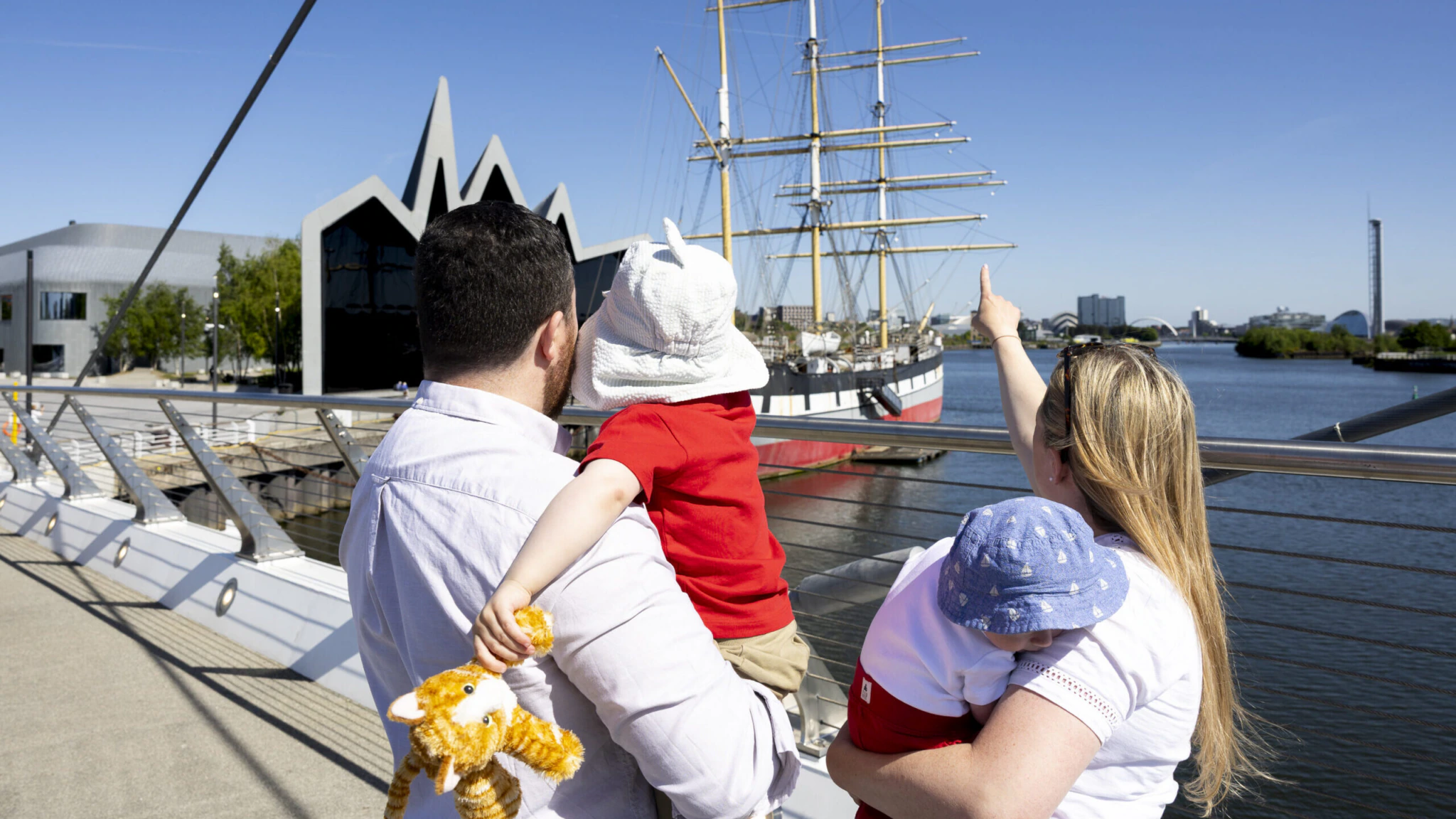
Image: Visitors at the Tall Ship Glenlee, credit Museums Galleries Scotland/Martin Shields
25 September 2025