The aim of the Ethics Committee is to create a culture in UK museums that embraces ethical practice so that people working in museums:
- Recognise responsibility for practising and promoting ethical behaviour
- See ethics as a positive force, responsive to developing professional and public views, and underpinning change and improvement
- Regard an awareness and discussion of ethics as the norm, connecting all museums and playing a role in planning and decision making
We’re pleased to introduce two new members of the committee, Aileen Strachan and Kyle Lewis Jordan.
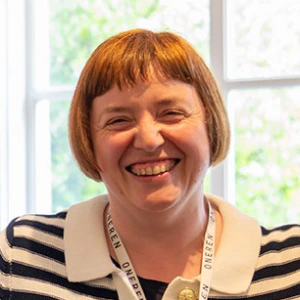
Aileen Strachan
Content Delivery Manager, Renfrewshire Museums
Aileen Strachan is content delivery manager for Renfrewshire Museums, where she has brought a collaborative and audience-focused approach to leading content development for the transformation of Paisley Museum.
Over more than 25 years in the museum sector, she has also contributed to multiple capital projects at Glasgow Museums and led multidisciplinary teams focused on co-production, engagement, visitor studies, research and interpretation.
Advertisement
Aileen has published and spoken on areas including inter-cultural dialogue, co-production and ethics in participatory research. She’s excited to bring that experience to the committee and to take the opportunity to learn more from others.
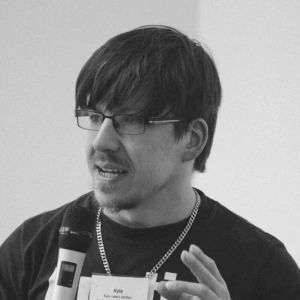
Kyle Lewis Jordan
Freelance archaeologist and curator
Kyle Lewis Jordan is a freelance archaeologist and curator who specialises in the study of disability in the ancient world.
Born with cerebral palsy, Kyle’s work in the museum and heritage sector is broadly focused on researching and curating disability histories, community co-production and engagement. Kyle is interested in exploring how d/Deaf, disabled and neurodivergent experiences can play an integral role in our understanding of the past but also in reimagining our present practices.